

 Home
Home Explore Offer
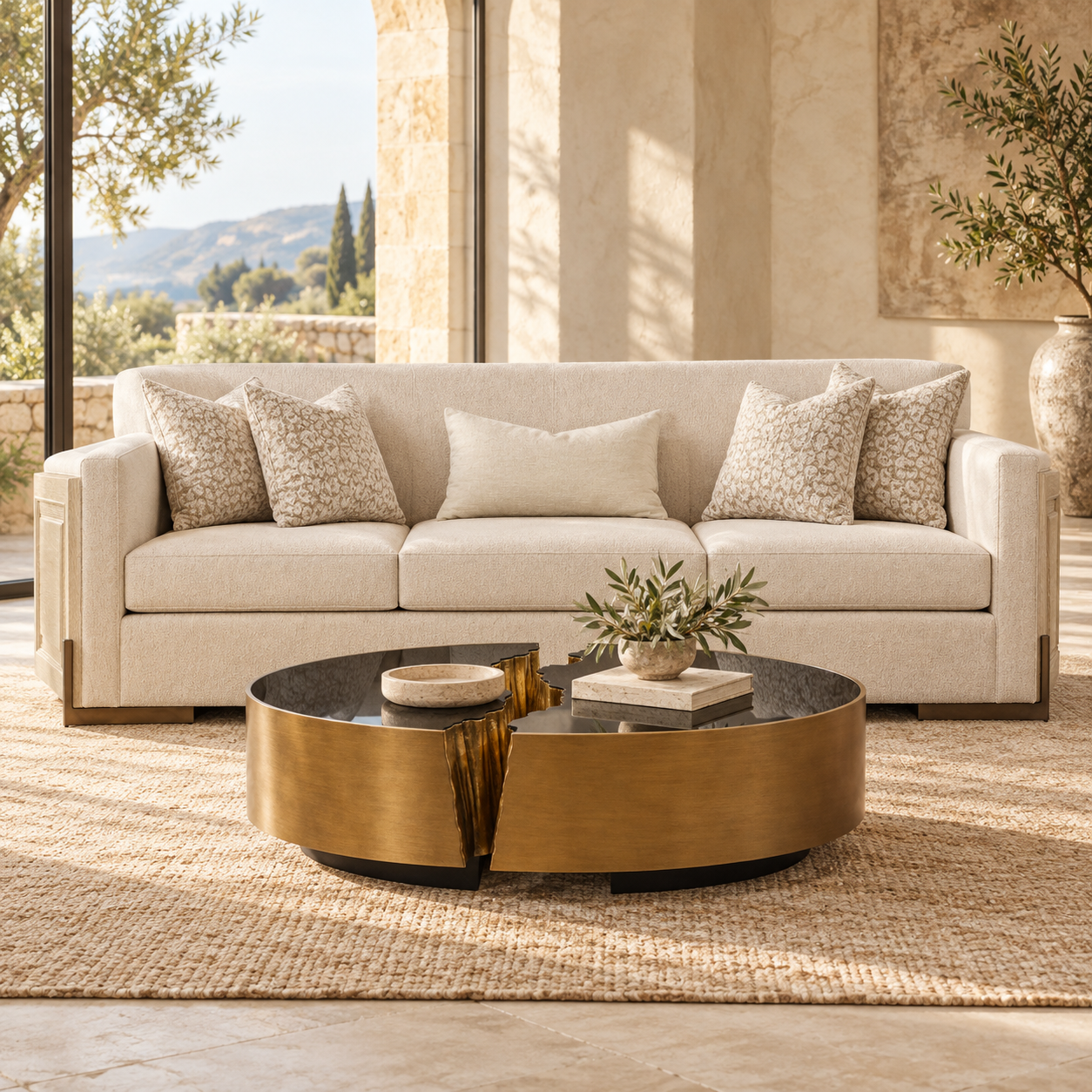 Living room
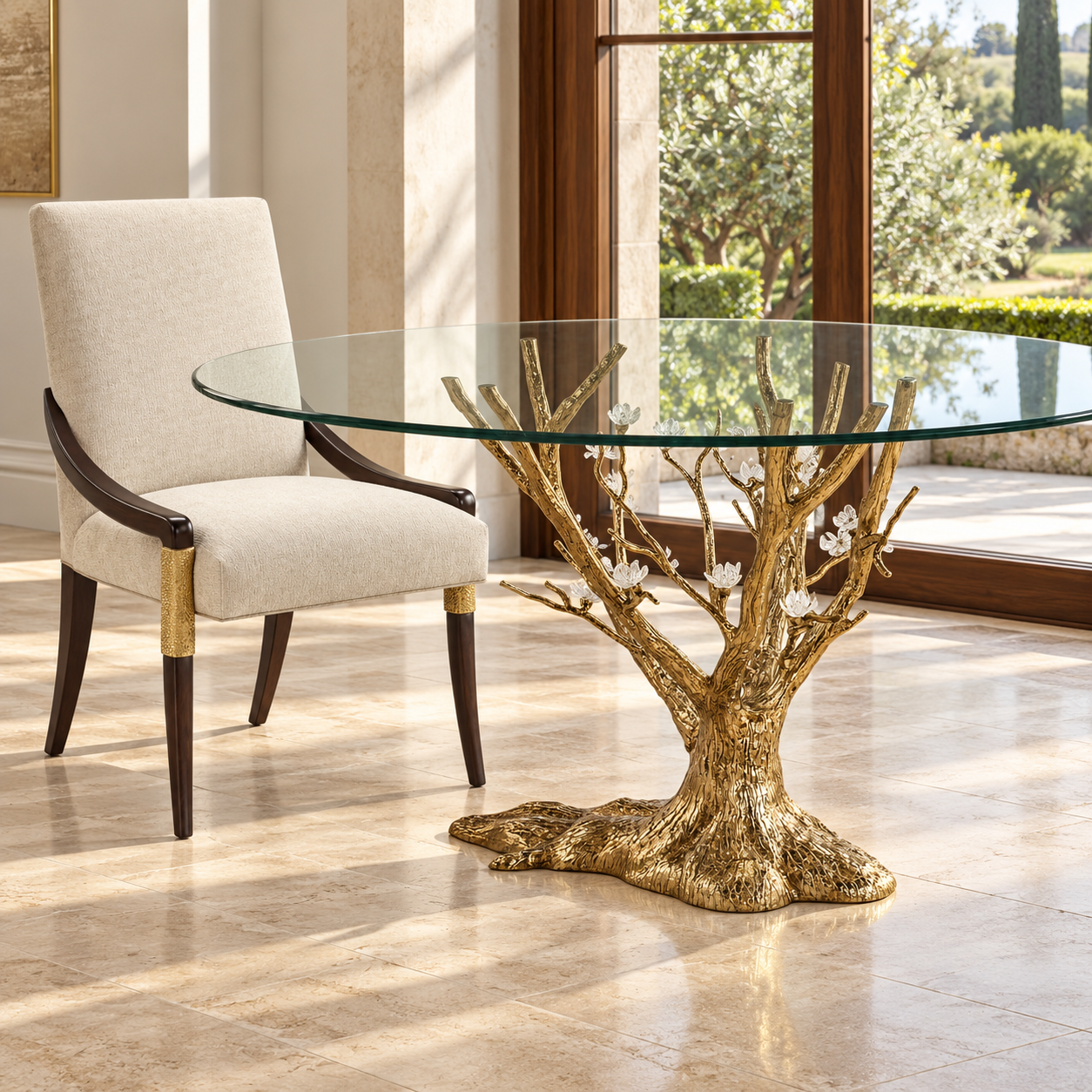 Dining room
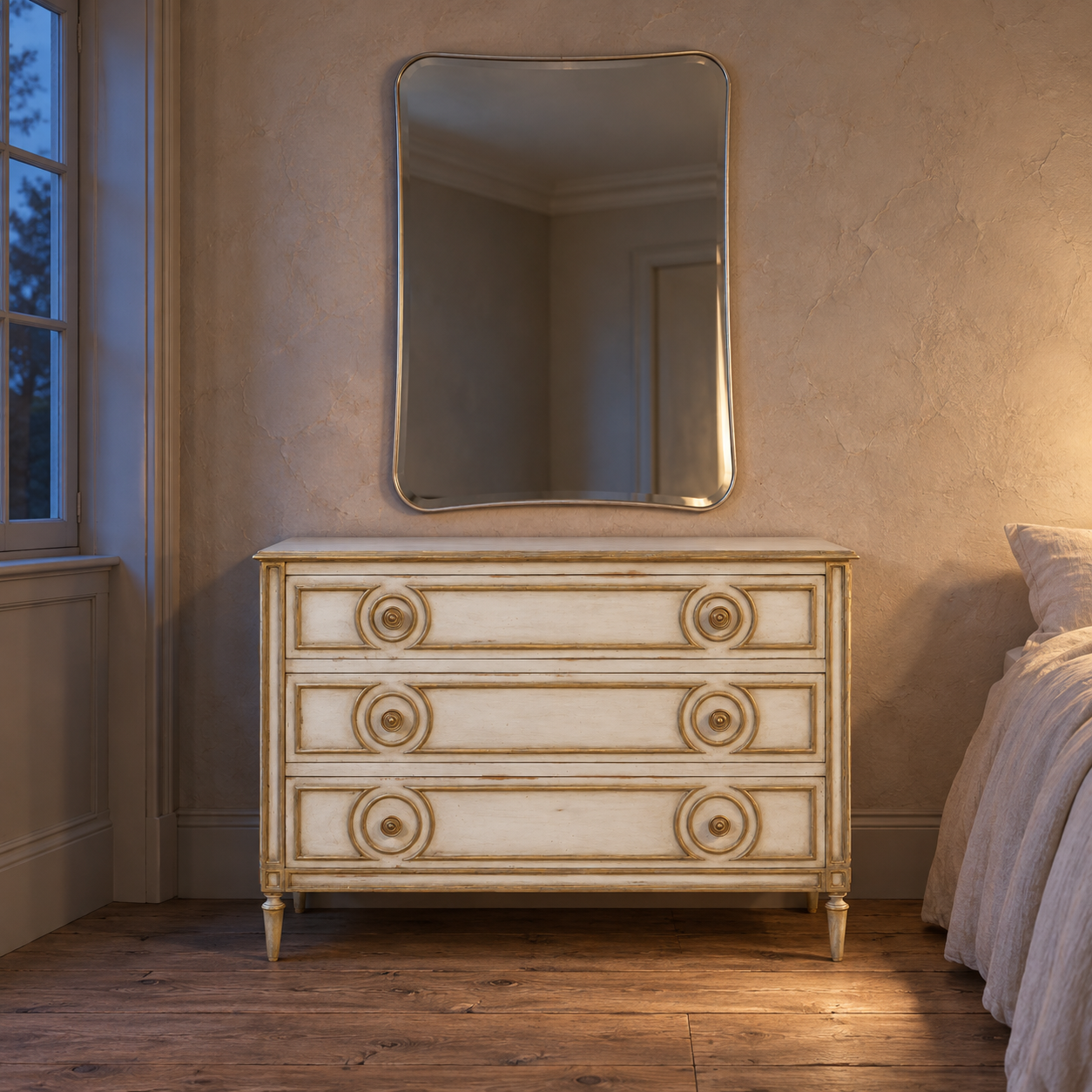 Bedroom
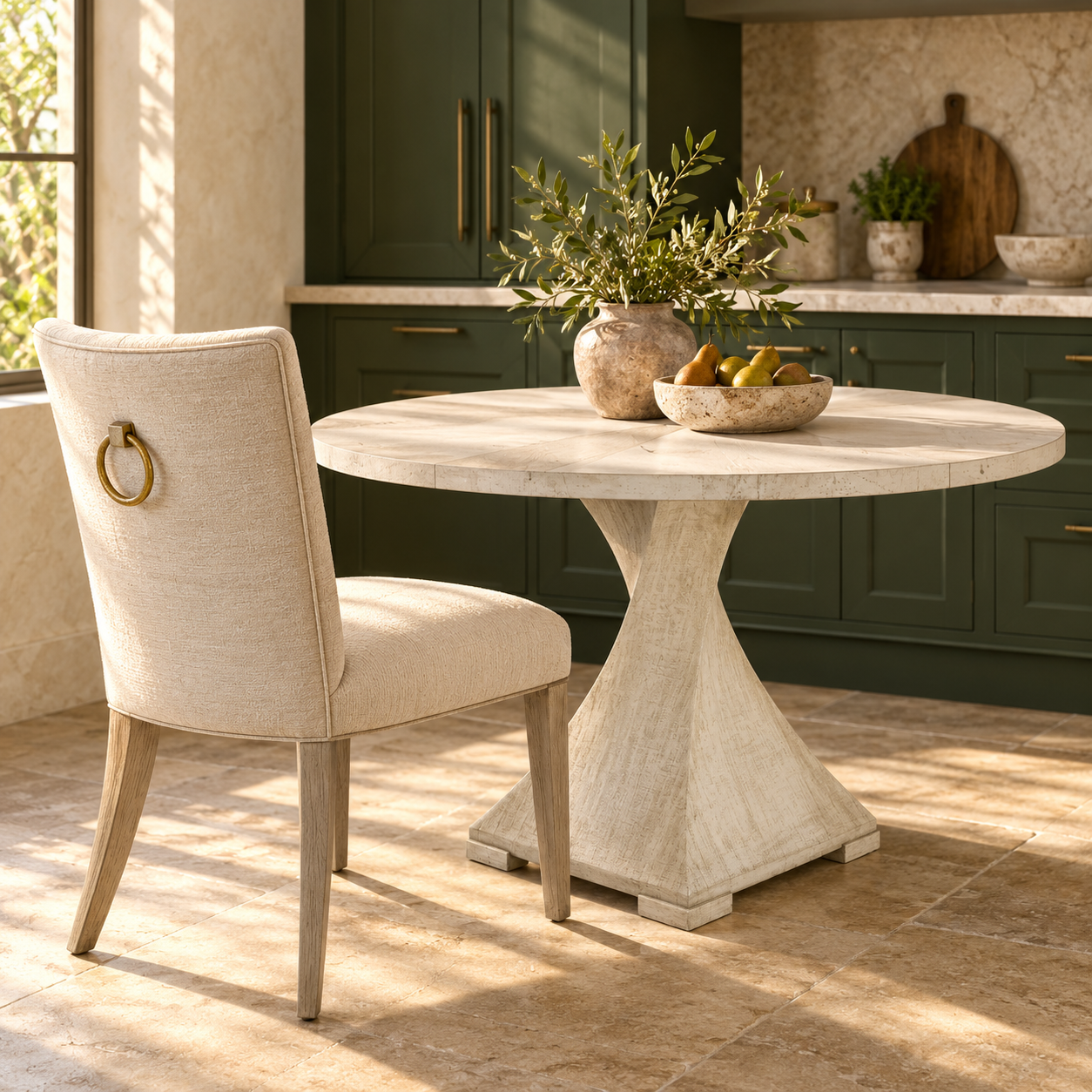 Kitchen
 Hallway
 Study
Study Guest room
 Earthen Retreat
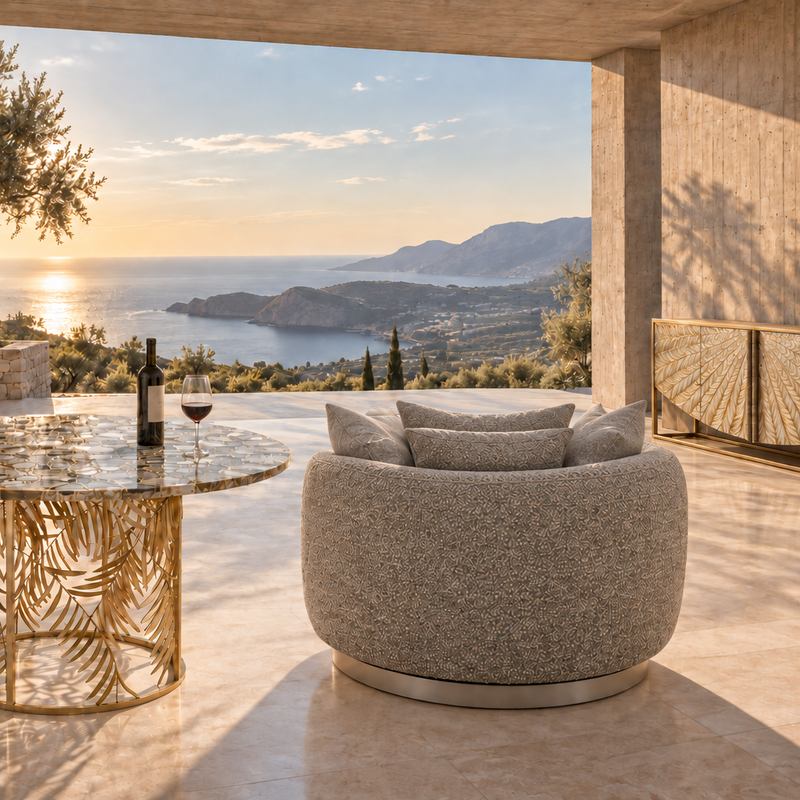 Sculptural Silence
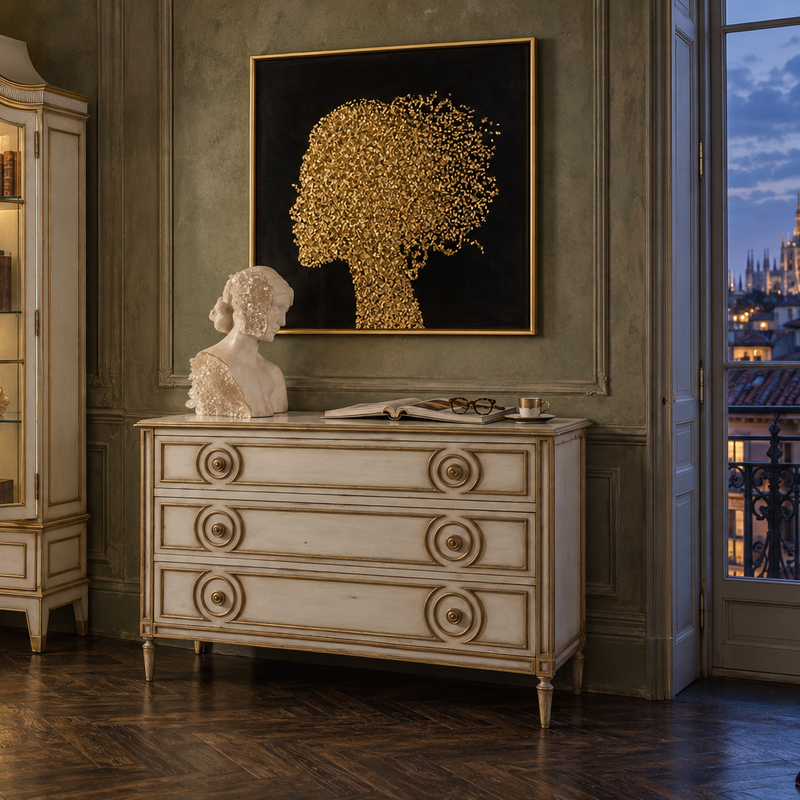 Modern Grand Tour
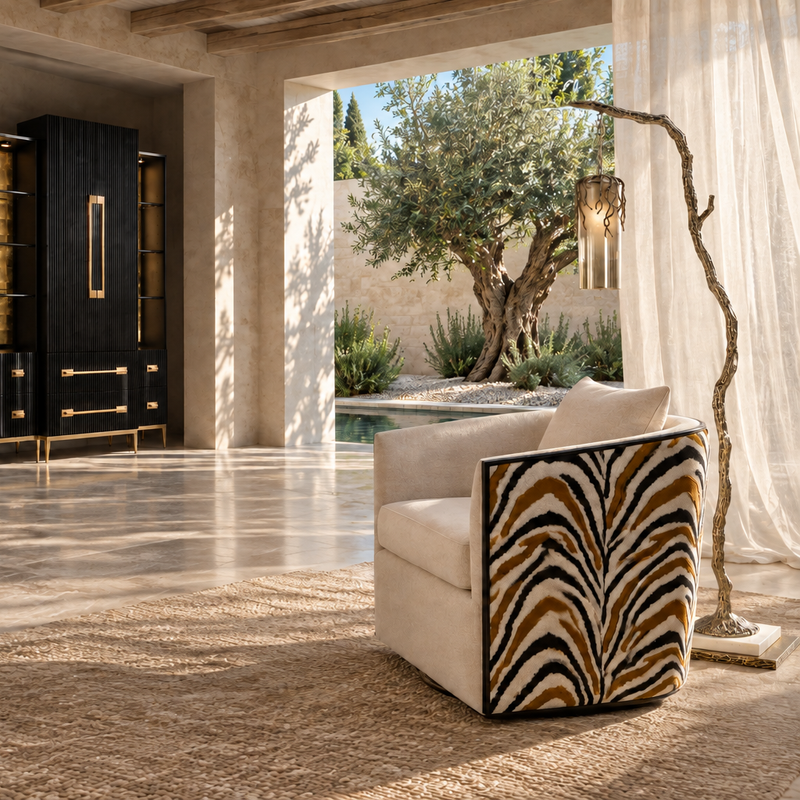 Sunlit Stillness
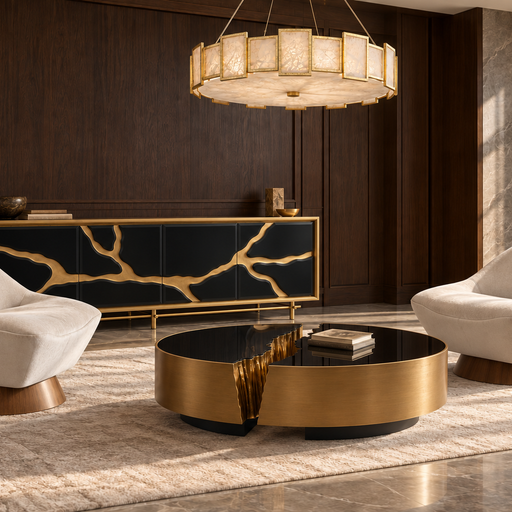 The Collector’s Apartment
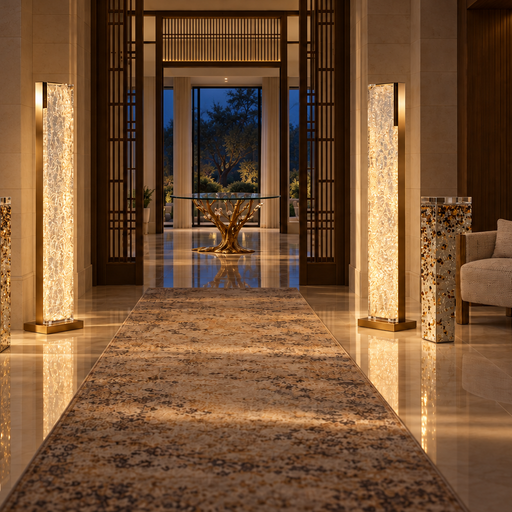 Grand Villa Arrival
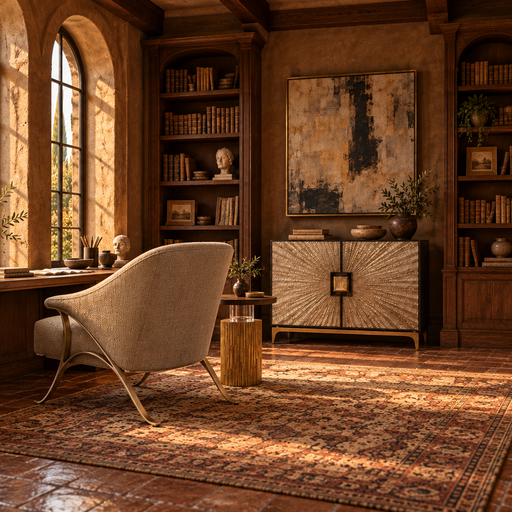 The Villa Library
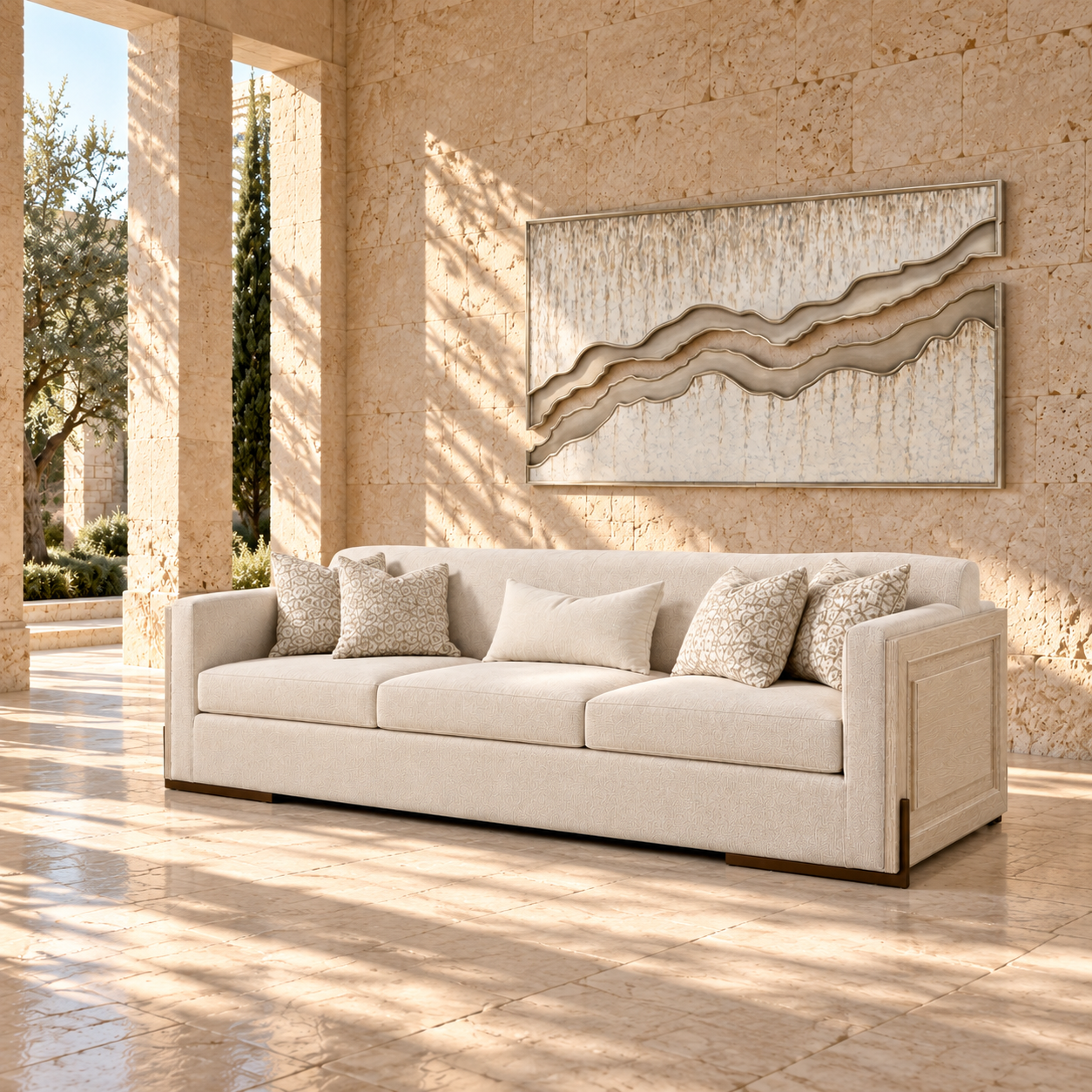 Sofas
Sofas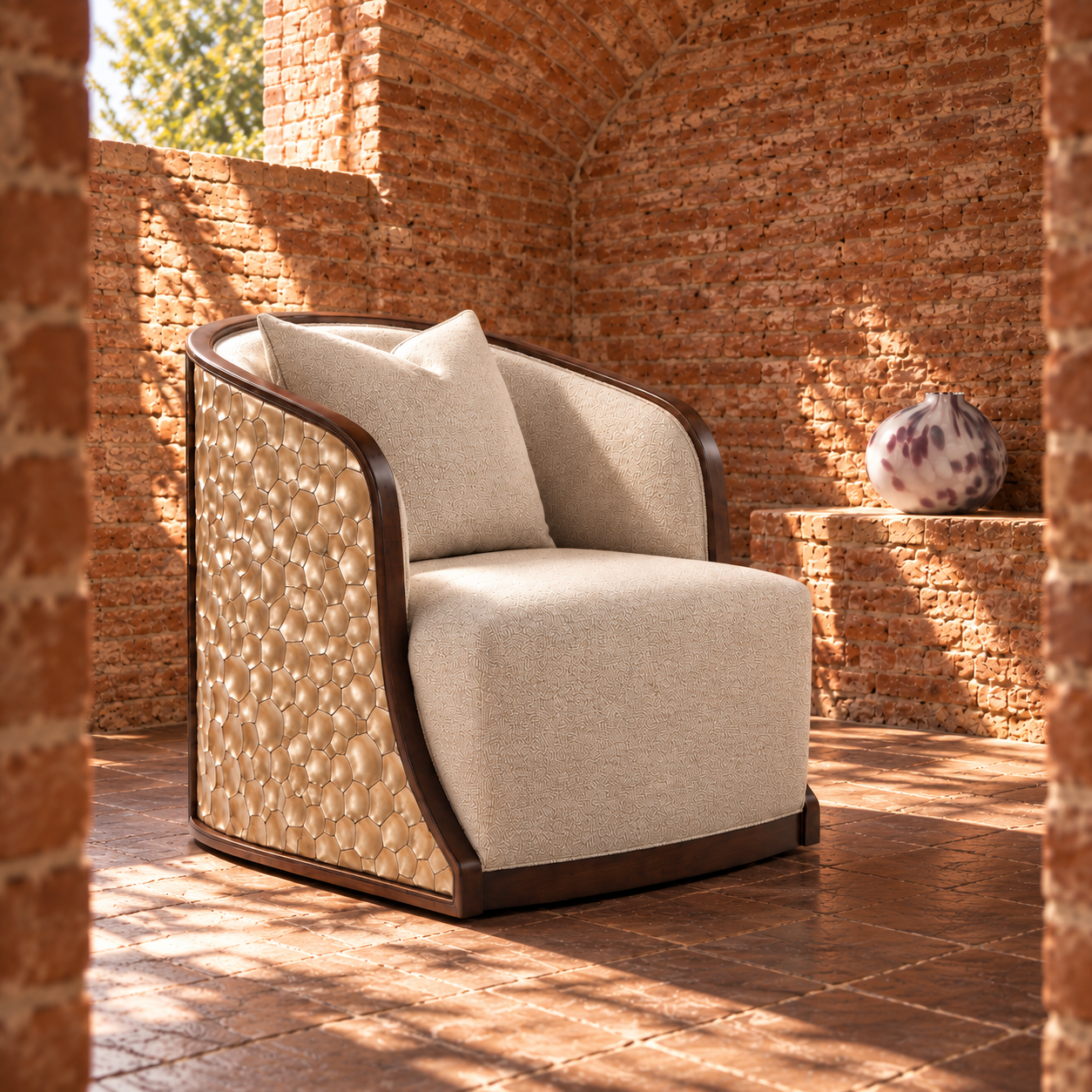 Armchairs
 Dining chairs
 Stools & benches
 Dining tables
 Coffee tables
 Side tables
 Consoles
 Cabinets
 Sideboards
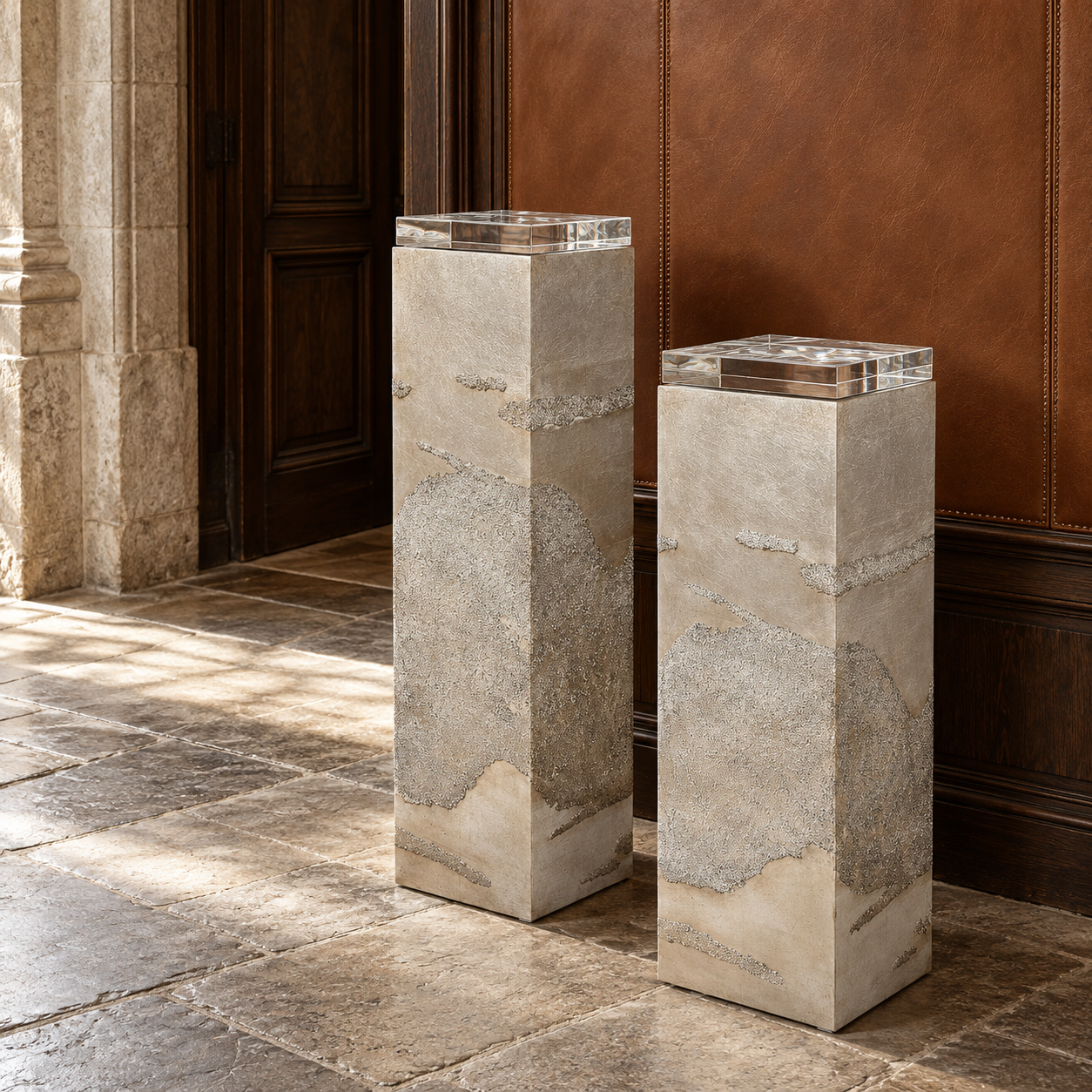 Pedestals
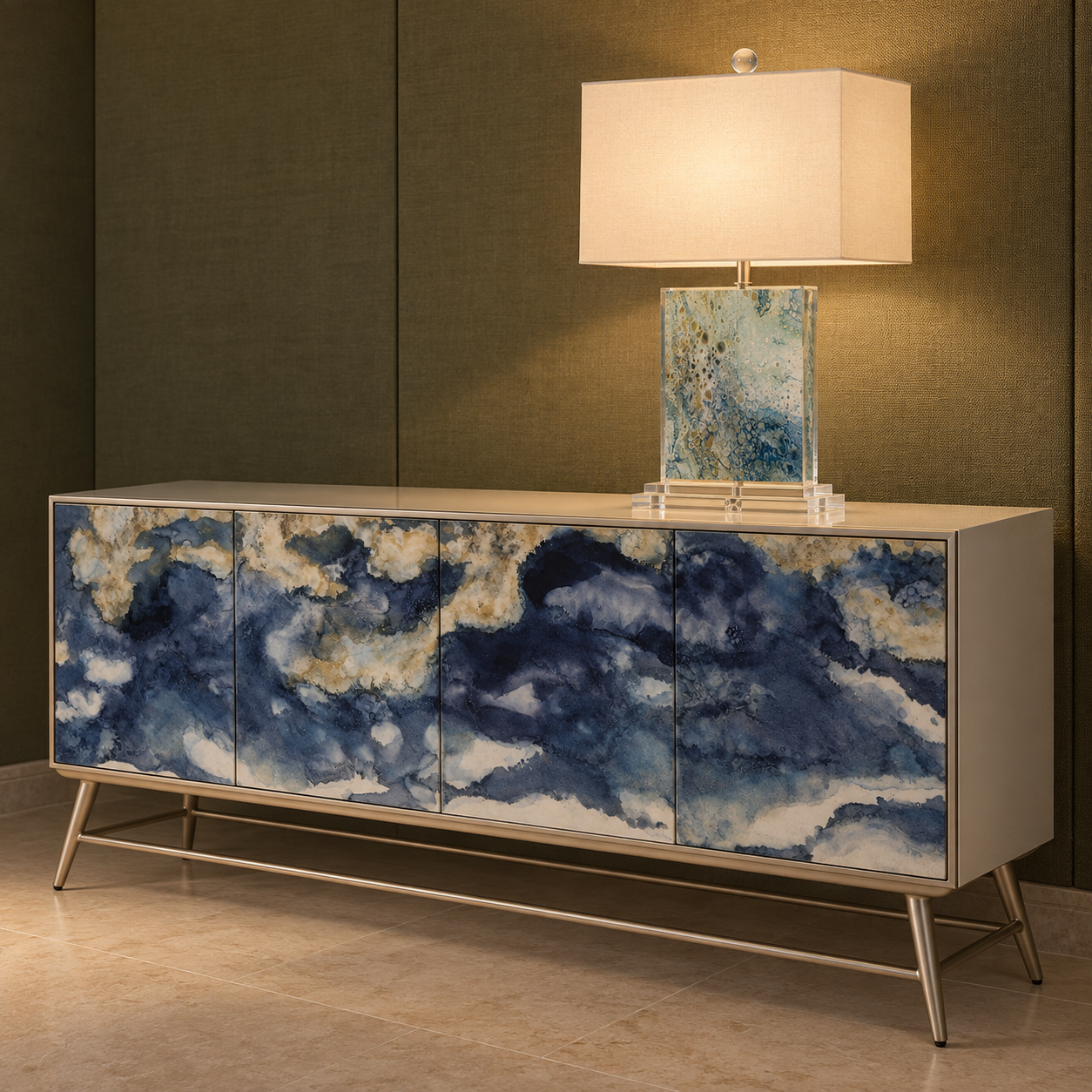 Table lamps
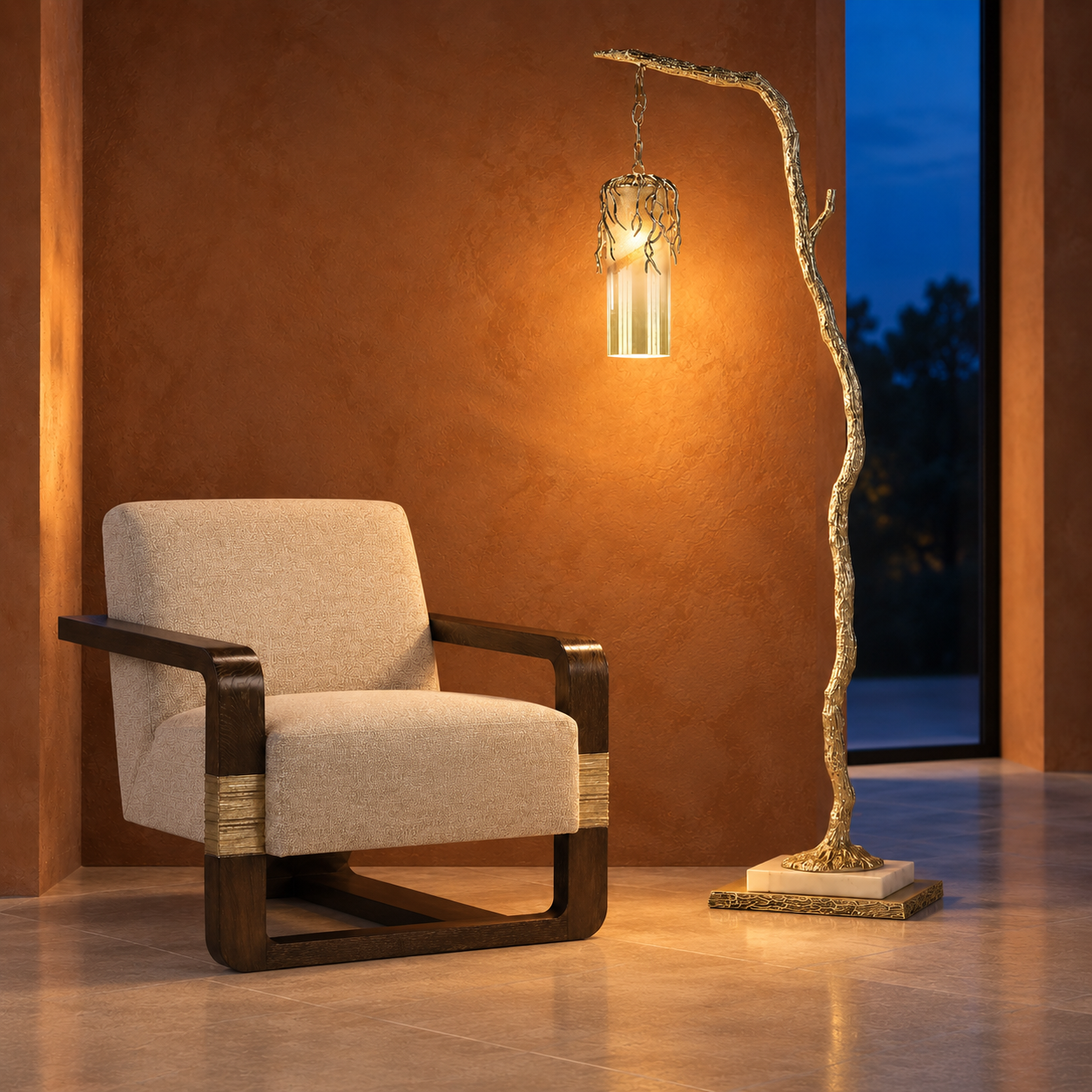 Floor lamps
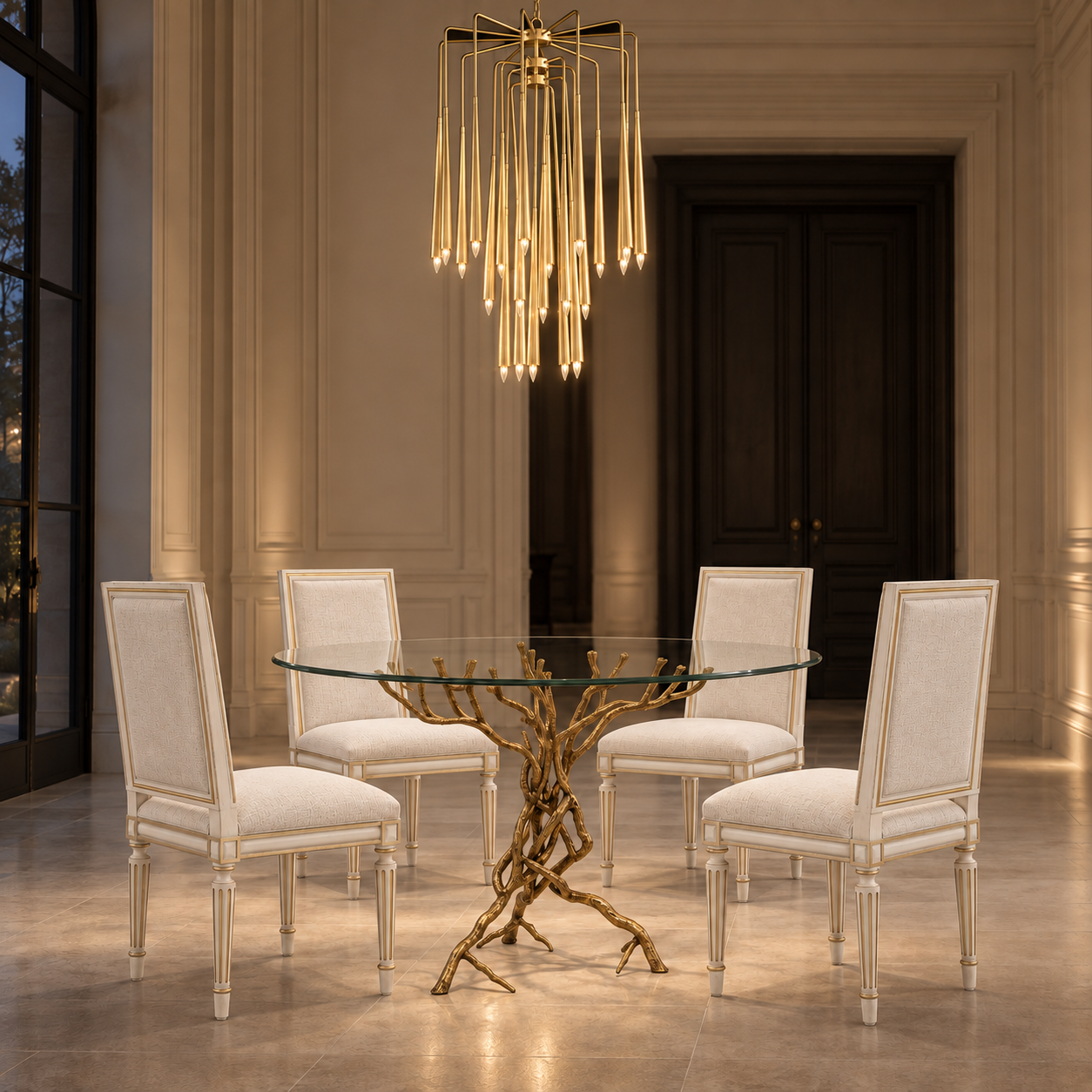 Chandeliers
 Sculpture
 Vessels
 Mirrors
 Wall art
 Decorative objects
 Botanicals
 Collections
 Commercial & Hospitality
 Studios & Makers
 Journal
 About
About Contact
 Made to Order
Beyond the purchase price
The price of furniture is clear on the day it is chosen. The cost of living with it takes longer to establish.
Delivery, maintenance, repairs and eventual replacement all belong to that account. A piece kept in use for longer can spread its purchase cost over more years. But a higher price, on its own, proves neither longevity nor value.
The questions are practical. Does the piece suit the room? Can its construction be described? What will happen if its surface is marked or its upholstery wears?
Choosing well means looking for answers before a problem arises.
Disposal does not always mean exhaustion
The US Environmental Protection Agency estimated that furniture and furnishings generated 12.1 million US tons of municipal solid waste in 2018. About 80 per cent went to landfill. This category includes mattresses as well as furniture; it is a dated US measure, not a current European total.1
An older UK study makes a different point. WRAP's 2012 research assessed more than 20 per cent of furniture collected at the kerbside as reusable in its existing condition, with a further 25 per cent reusable after slight repair. Its findings concern the assessed collections, rather than every discarded piece.2
Furniture can leave a household while it still has useful life. The challenge is making that next life possible.
Repair begins with access
A cover can wear while the frame beneath it remains sound. A damaged surface may need specialist attention rather than replacement of the whole piece.
Whether that work is worthwhile depends on the construction, the condition and the cost of skilled labour. It should never be assumed from the word handmade.
Ask whether upholstery can be removed, whether fittings can be replaced and whether the finish is identified. A repairer needs to know what is there before deciding what can be done.
Repairability is partly designed into a piece. It also depends on available skills and a record of its materials.
A record for the next owner
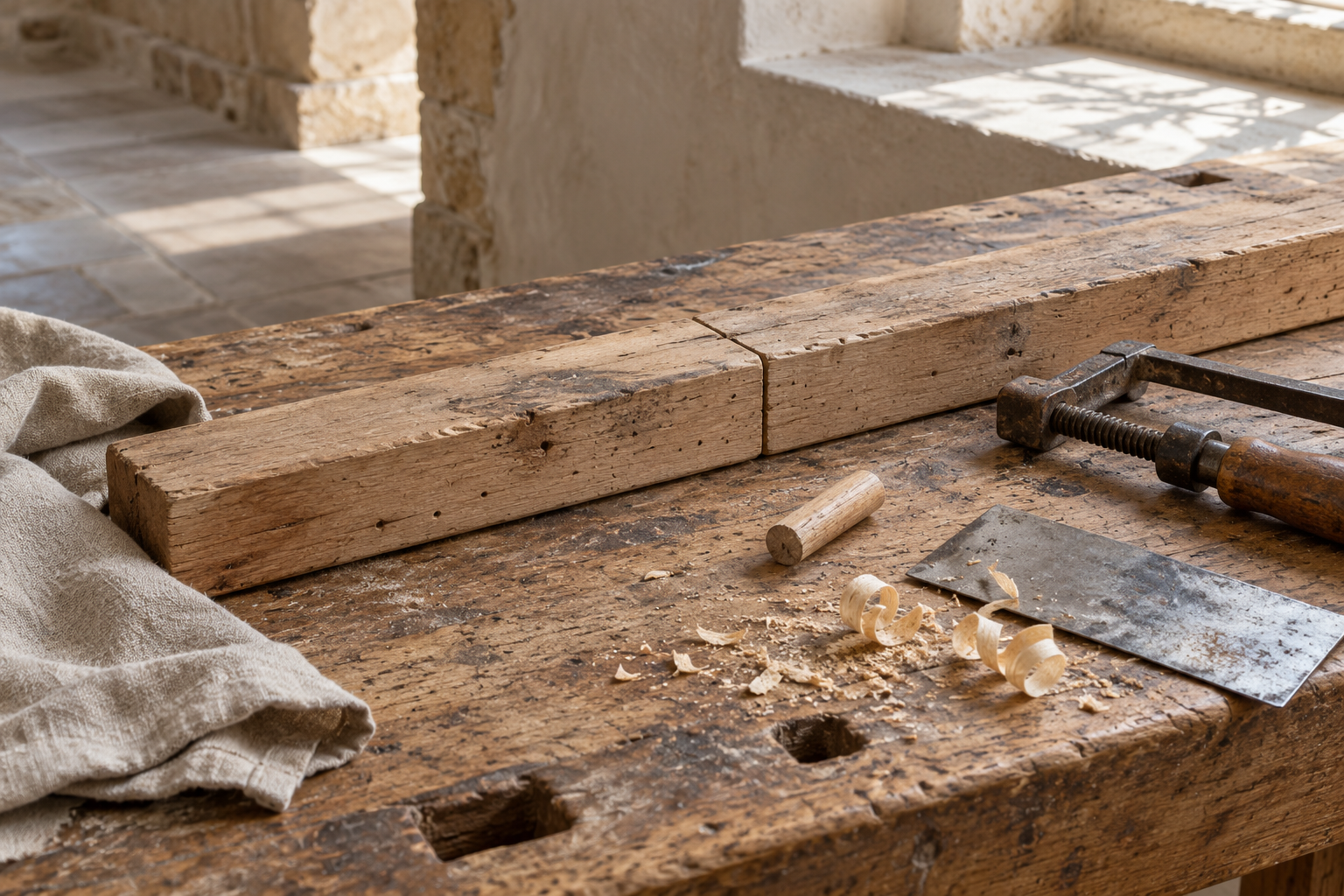
A studio name, a material description and care instructions help a piece travel beyond its first home. Retain the original specification and any record of later work.
That information does not guarantee resale value. Taste changes, markets vary and the cost of transport matters. A useful piece can have modest resale value and still deserve to remain in use.
Think about its next room as well as its next owner. Can it be moved safely? Will it pass through the doorway? Does its form allow more than one arrangement?
The furniture that stays with us often earns that place through adaptability as much as appearance.
Choose for the room you inhabit
A piece should suit the demands it will meet. An occasional cabinet and a table used every day ask different things of their materials and finishes.
Consider how it will be touched, cleaned and moved. Consider whether you are comfortable with the changes its surface may show.
Keeping furniture in use can reduce the need for replacement. A wider environmental judgement also requires evidence about sourcing, manufacture and transport. Longevity is a reason to ask better questions, rather than a substitute for those answers.
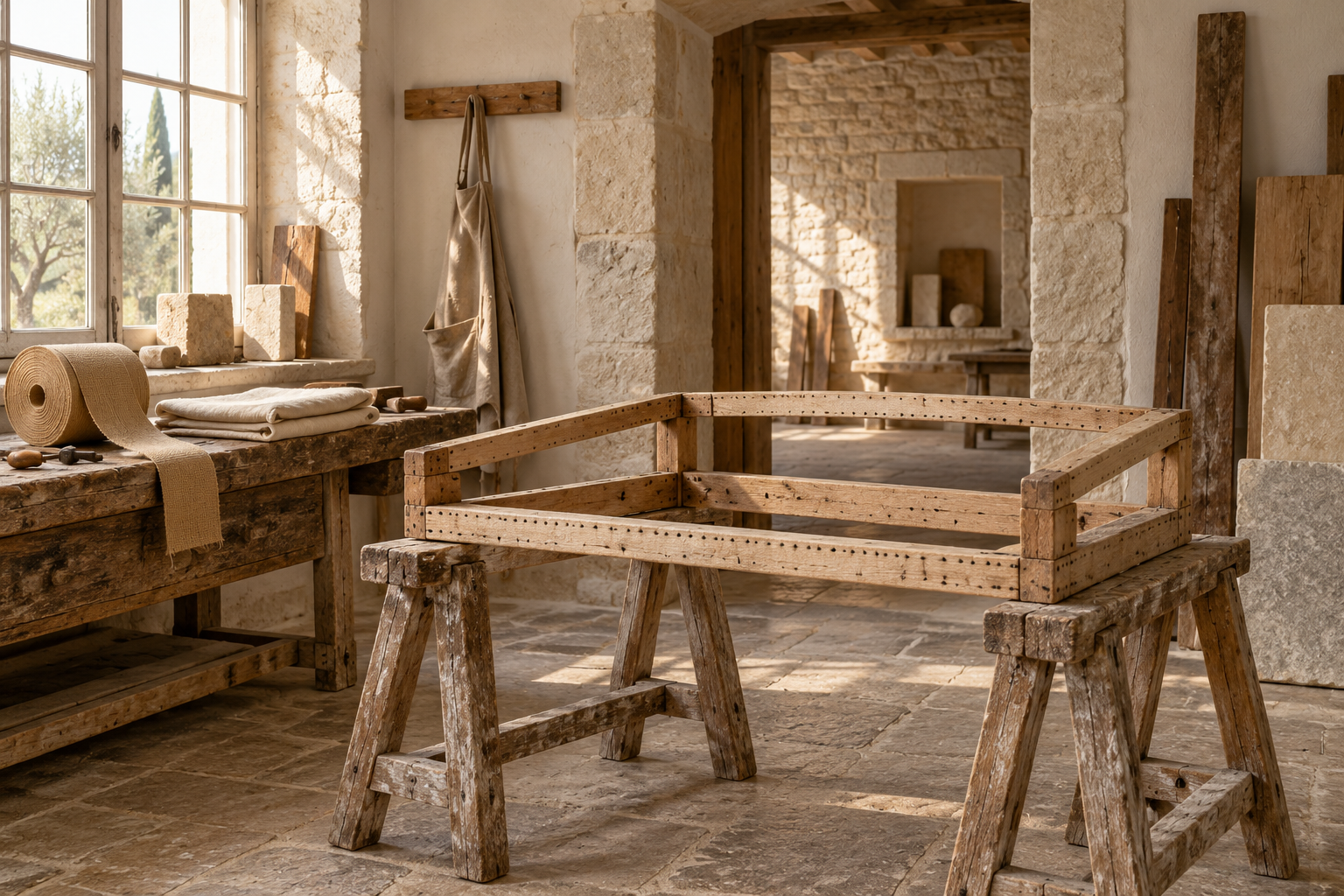
What to ask
- What is the piece made of, and how is it assembled?
- What care does its particular finish require?
- Which parts can be repaired or replaced, and who can do the work?
- What records will accompany it into another home?
A room can be assembled slowly. Each piece should have a reason to arrive, and a reason to stay.