

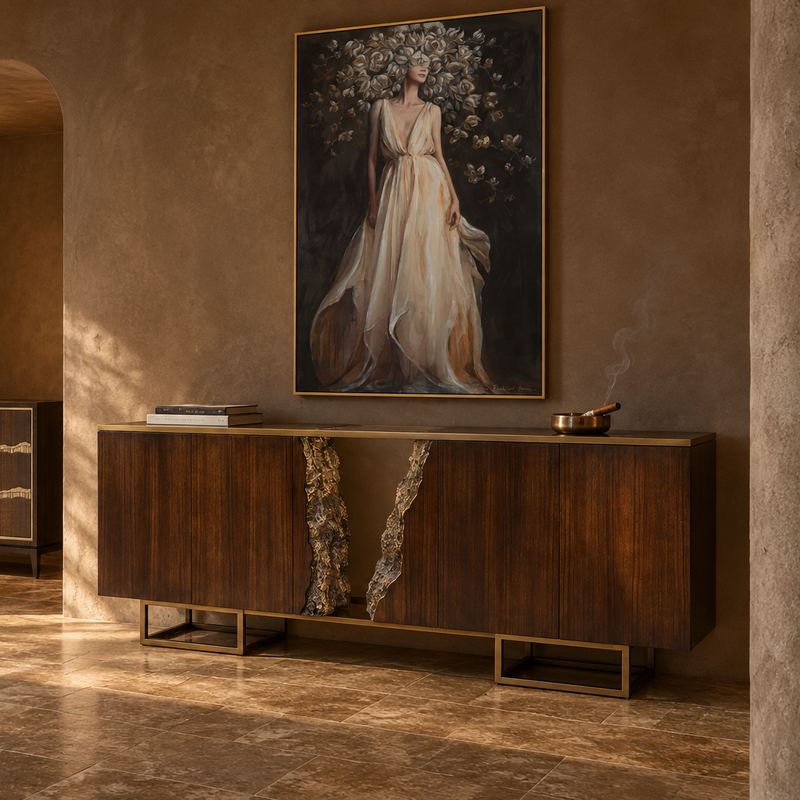
 Earthen Retreat
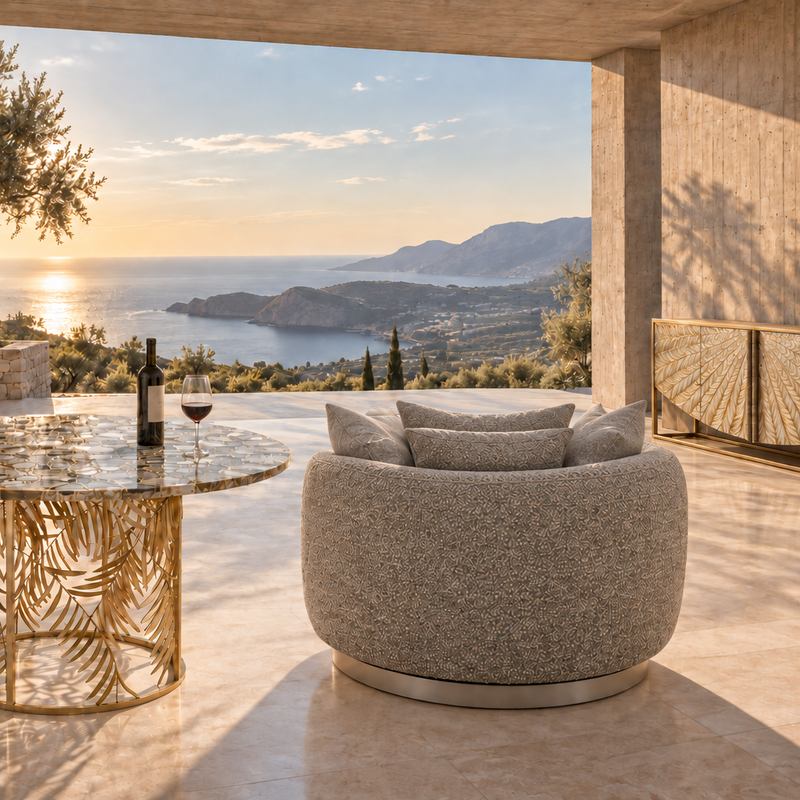 Sculptural Silence
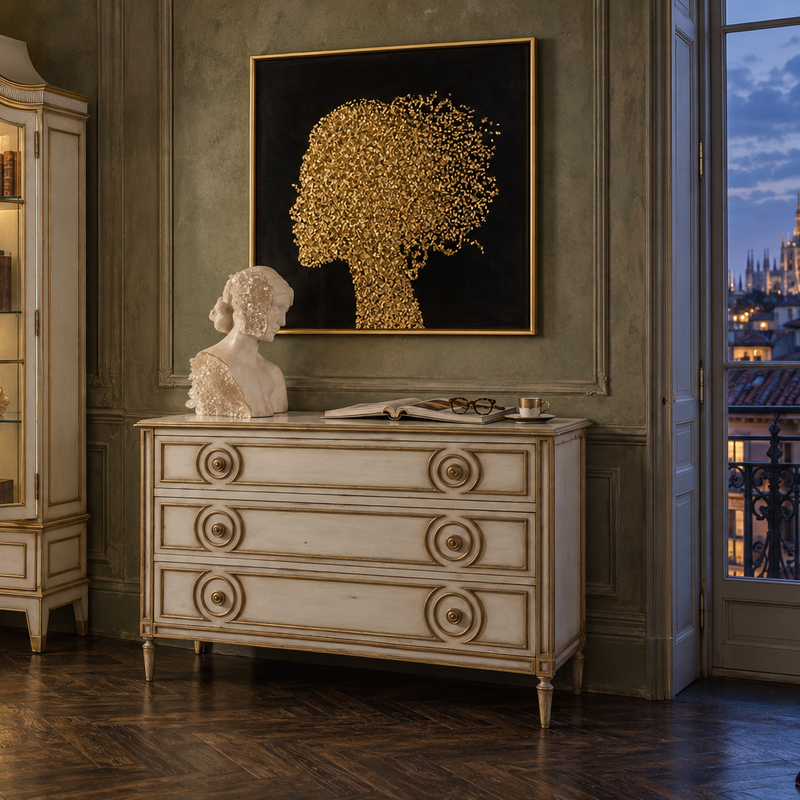 Modern Grand Tour
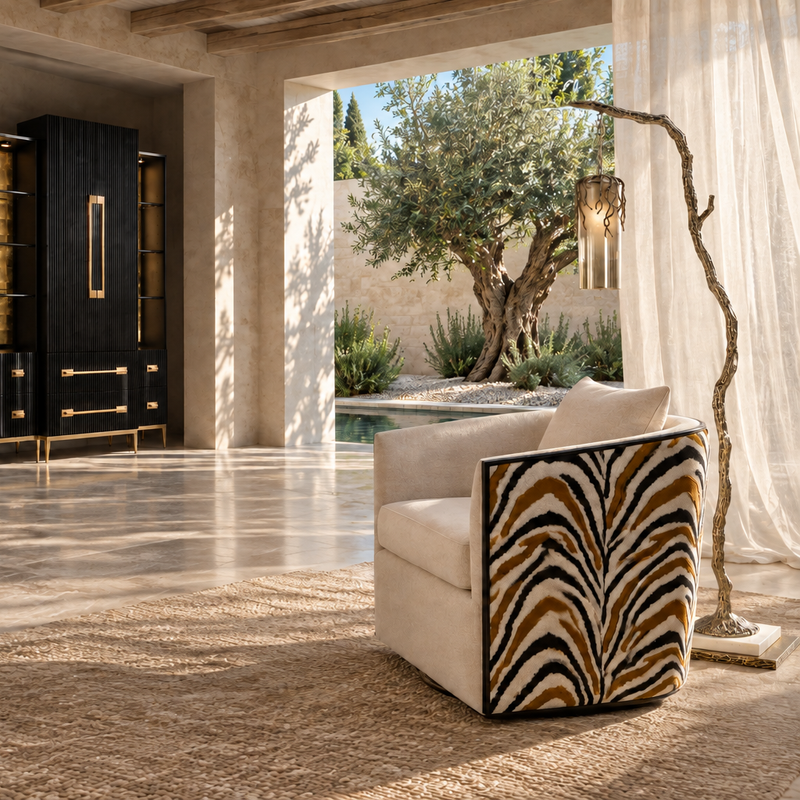 Sunlit Stillness
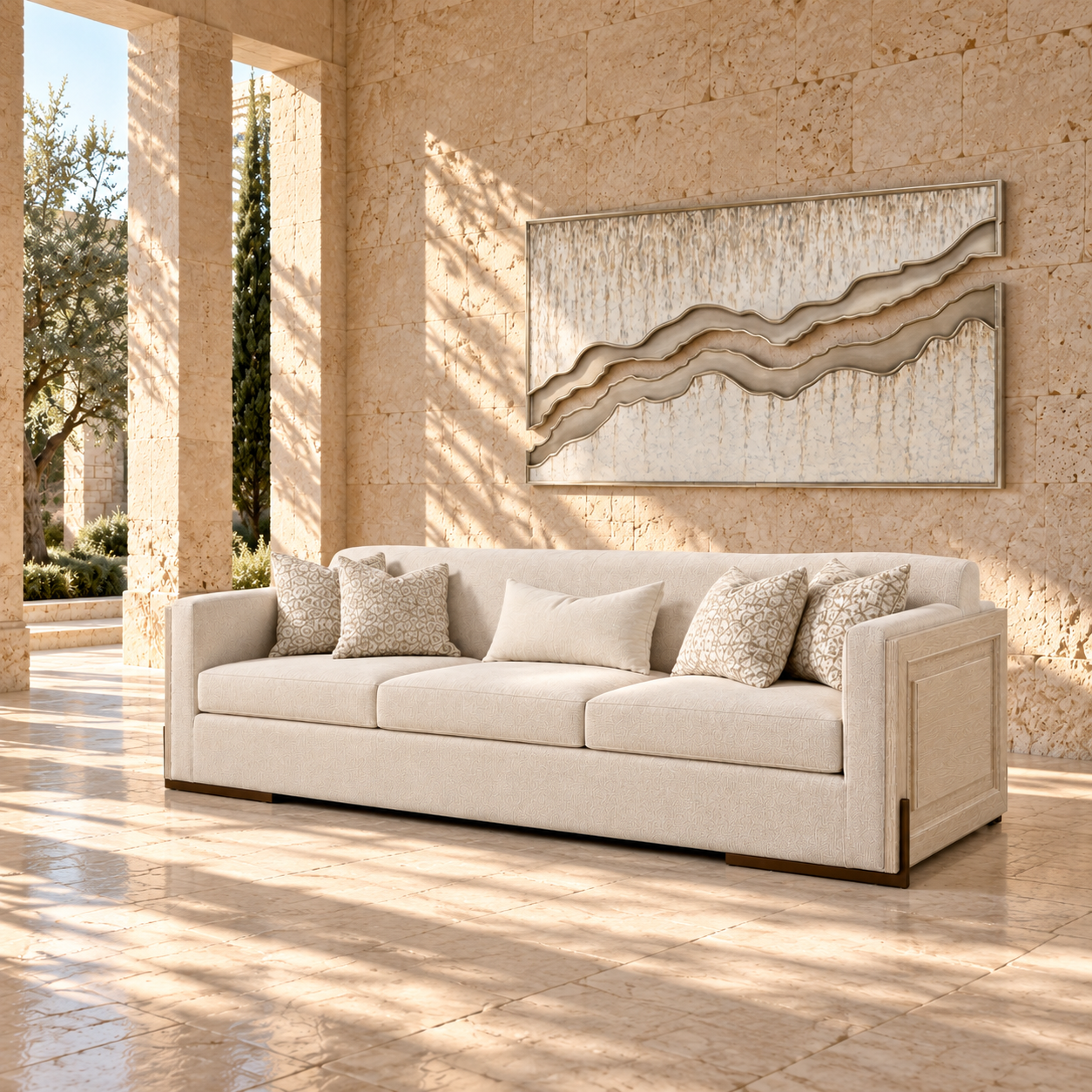 Sofas
Sofas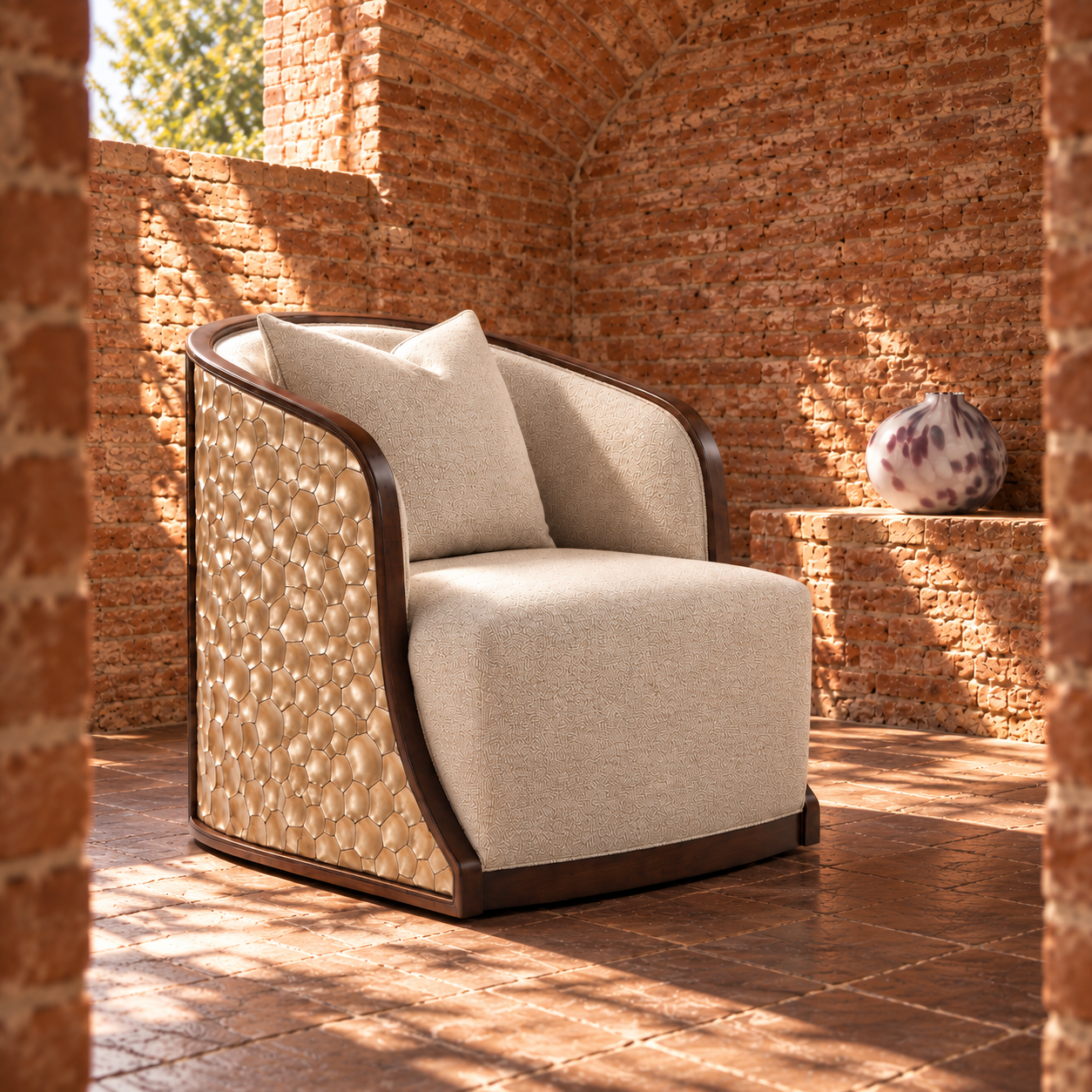 Armchairs
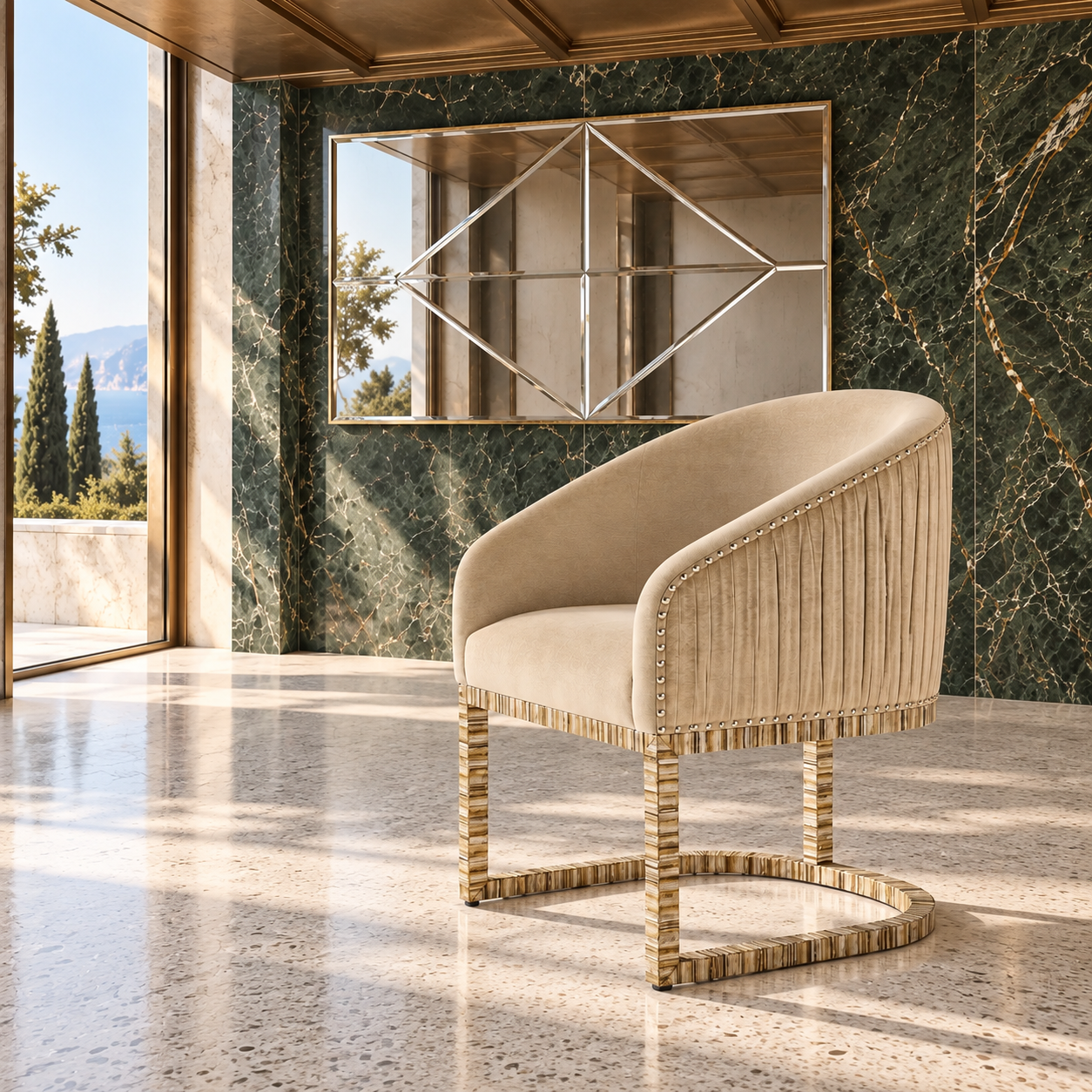 Dining chairs
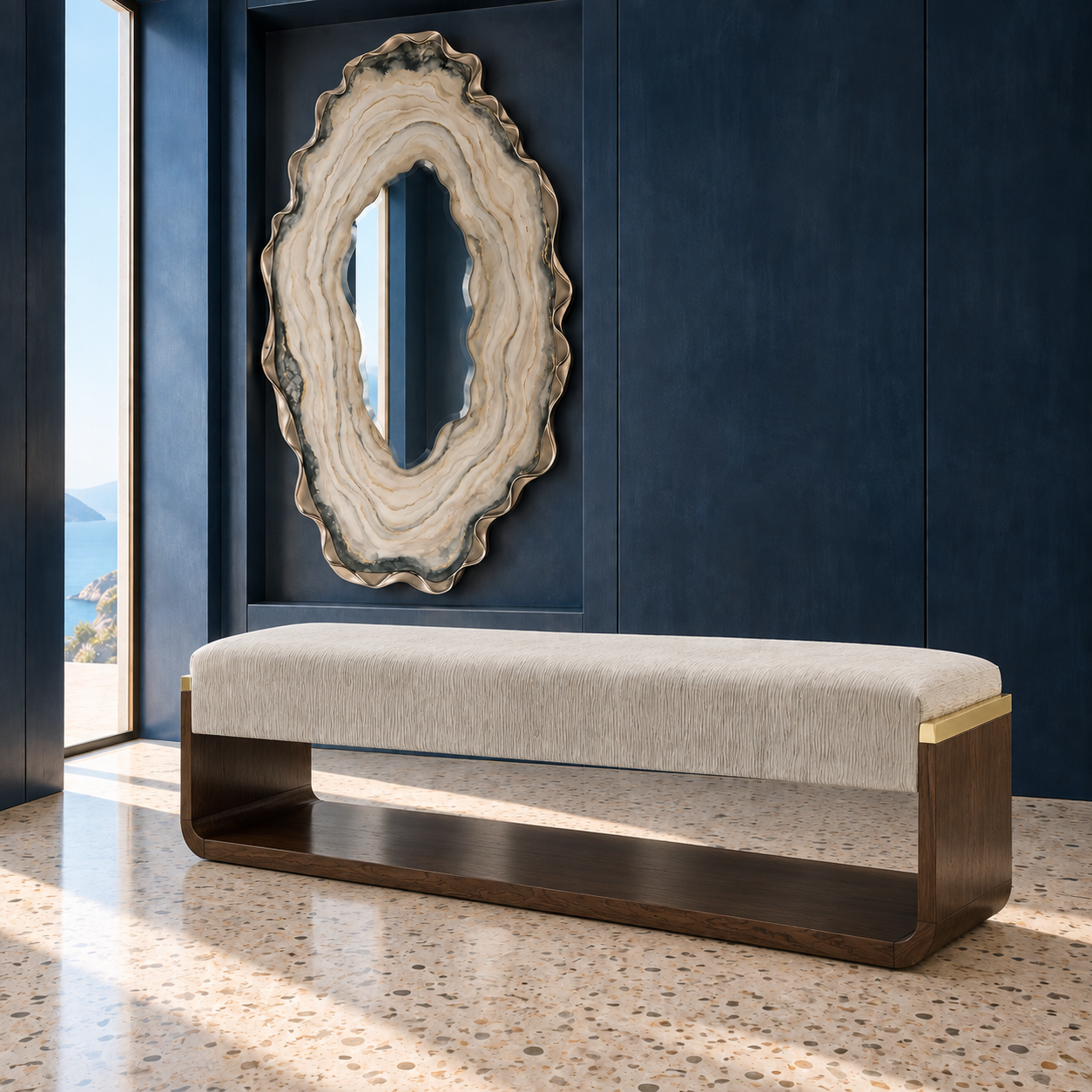 Stools & benches
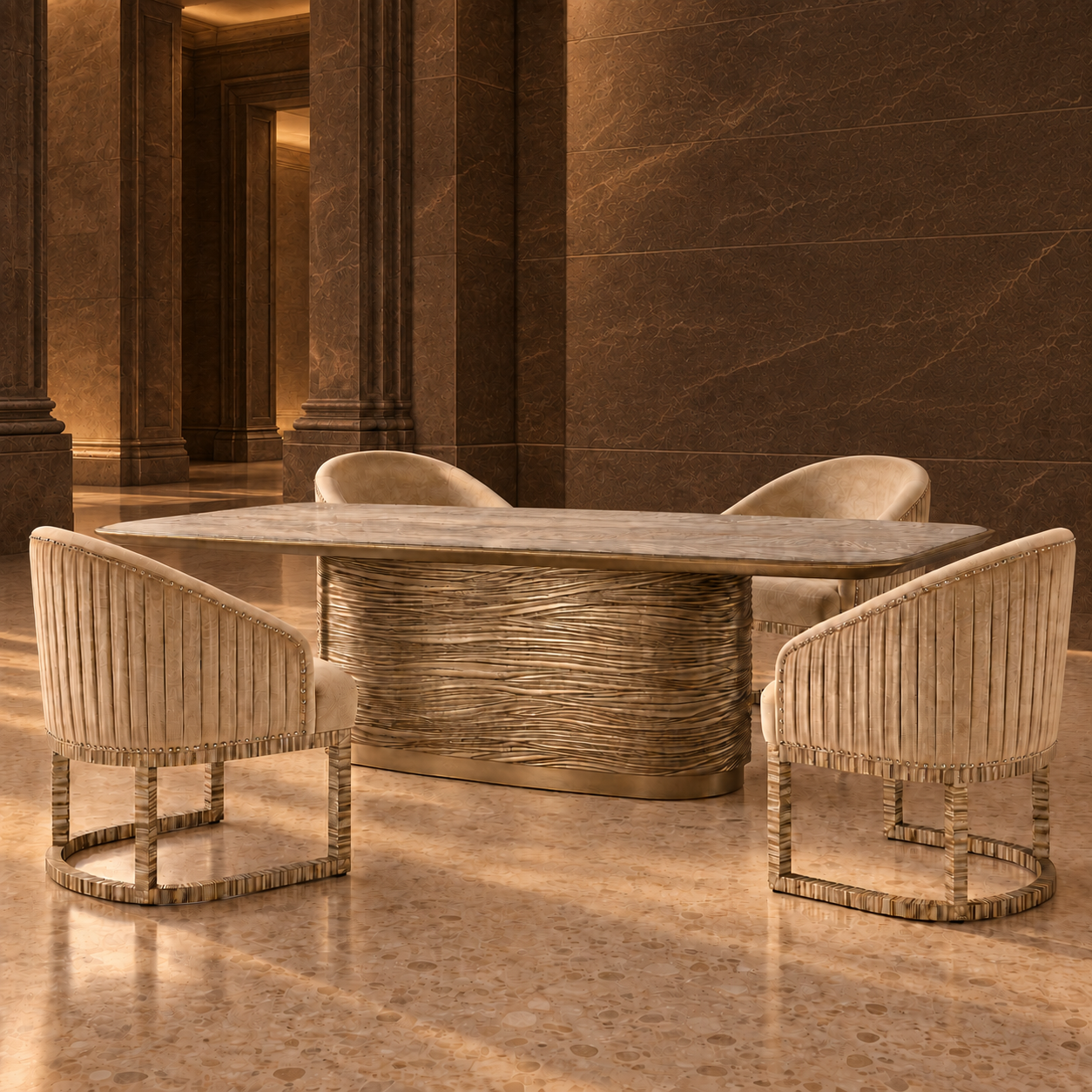 Dining tables
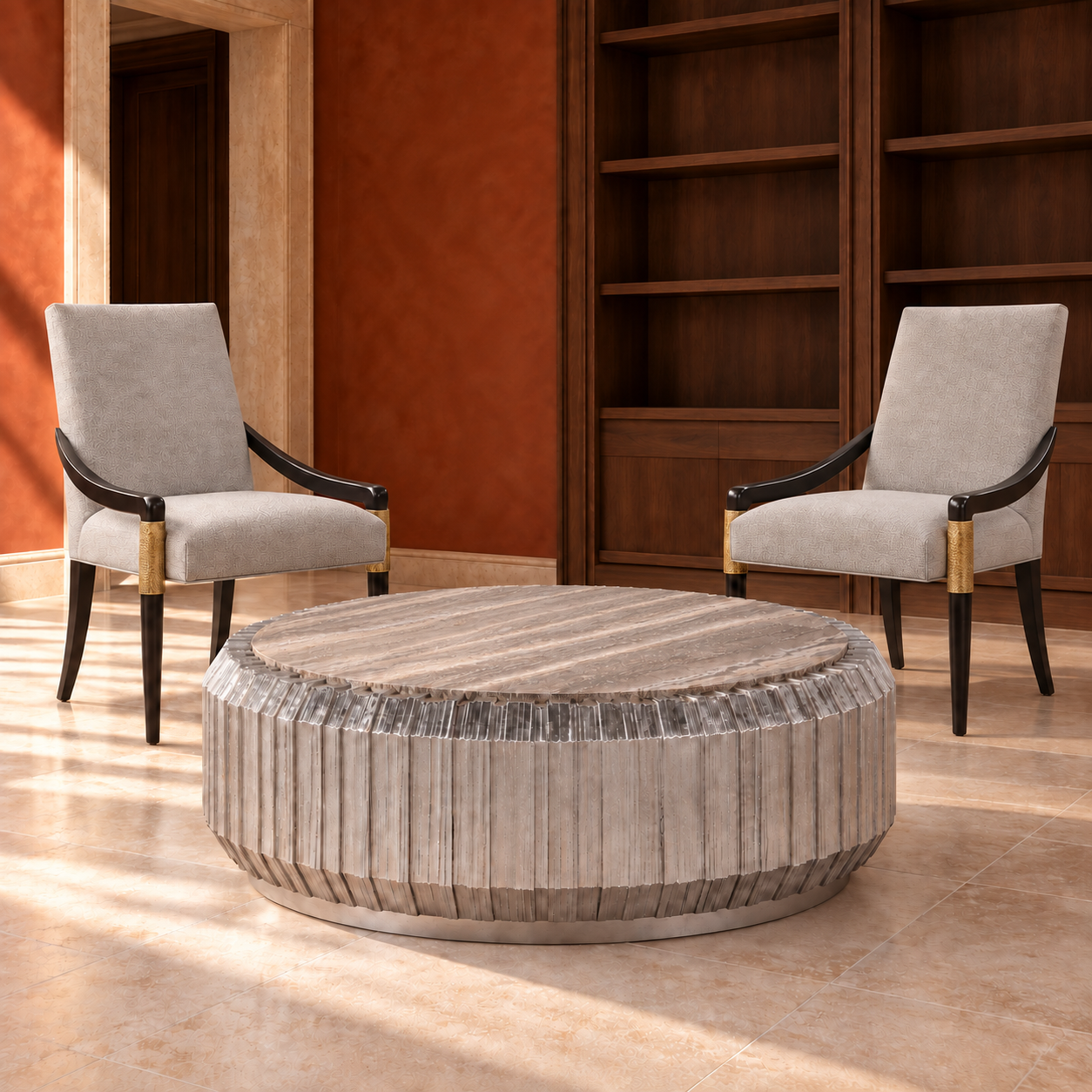 Coffee tables
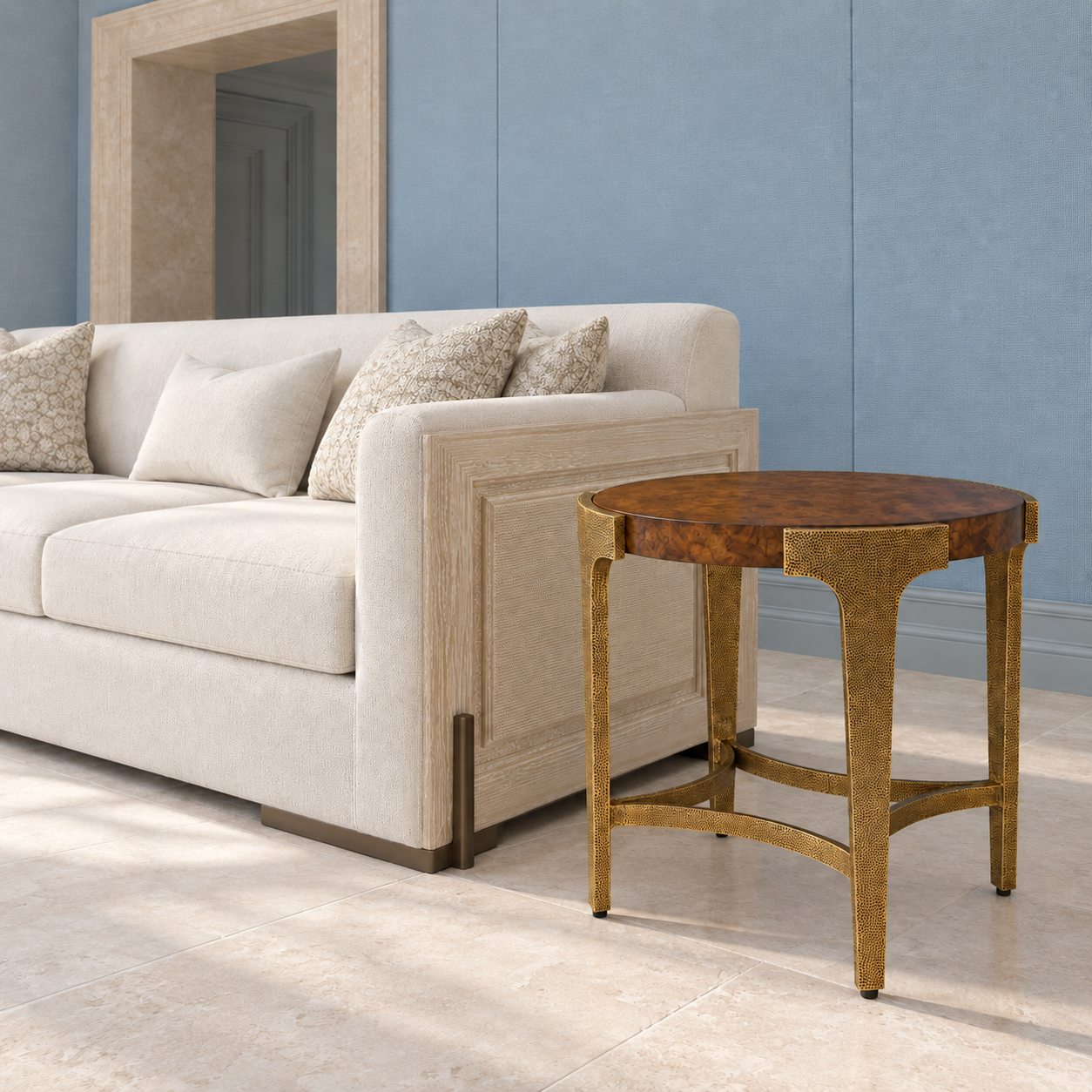 Side tables
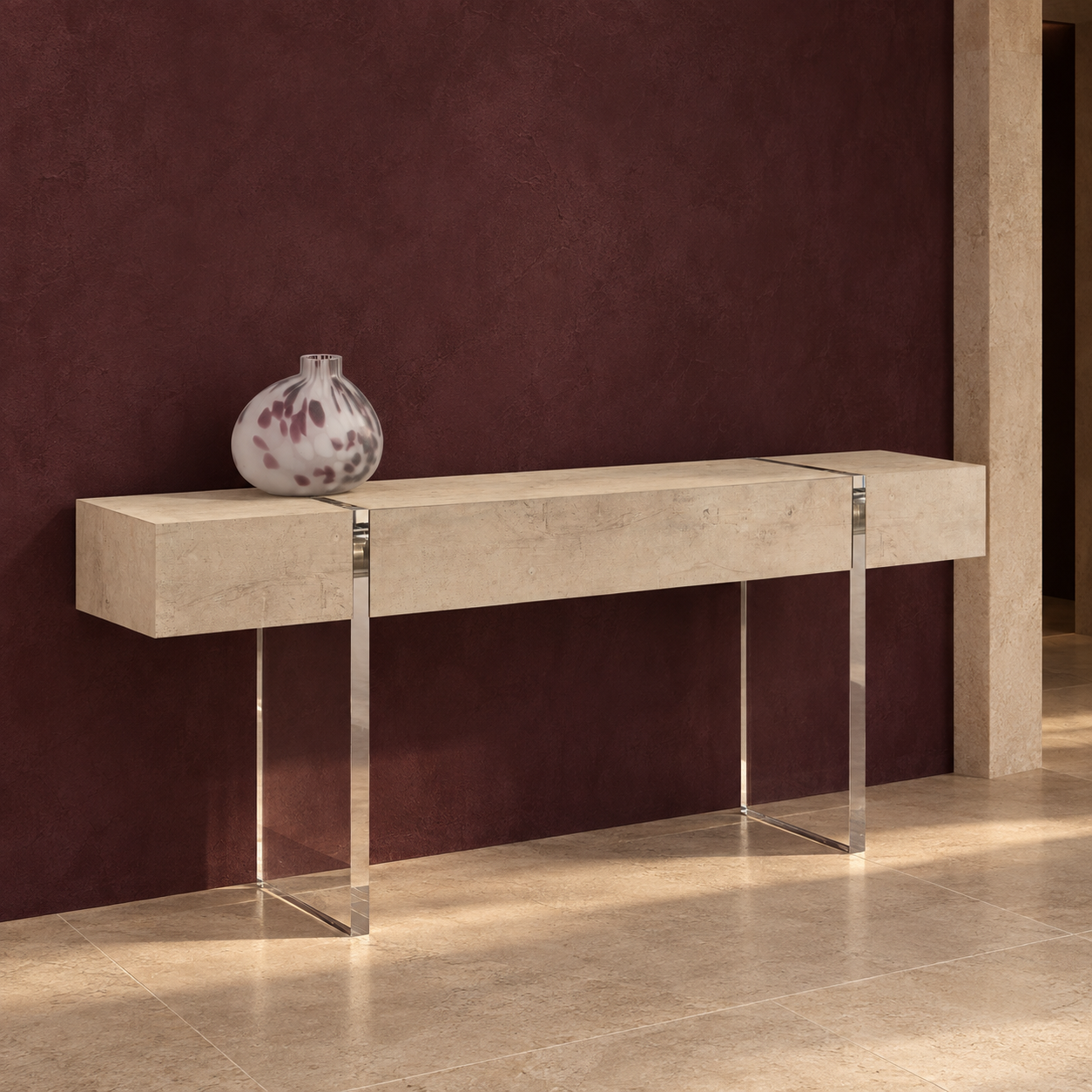 Consoles
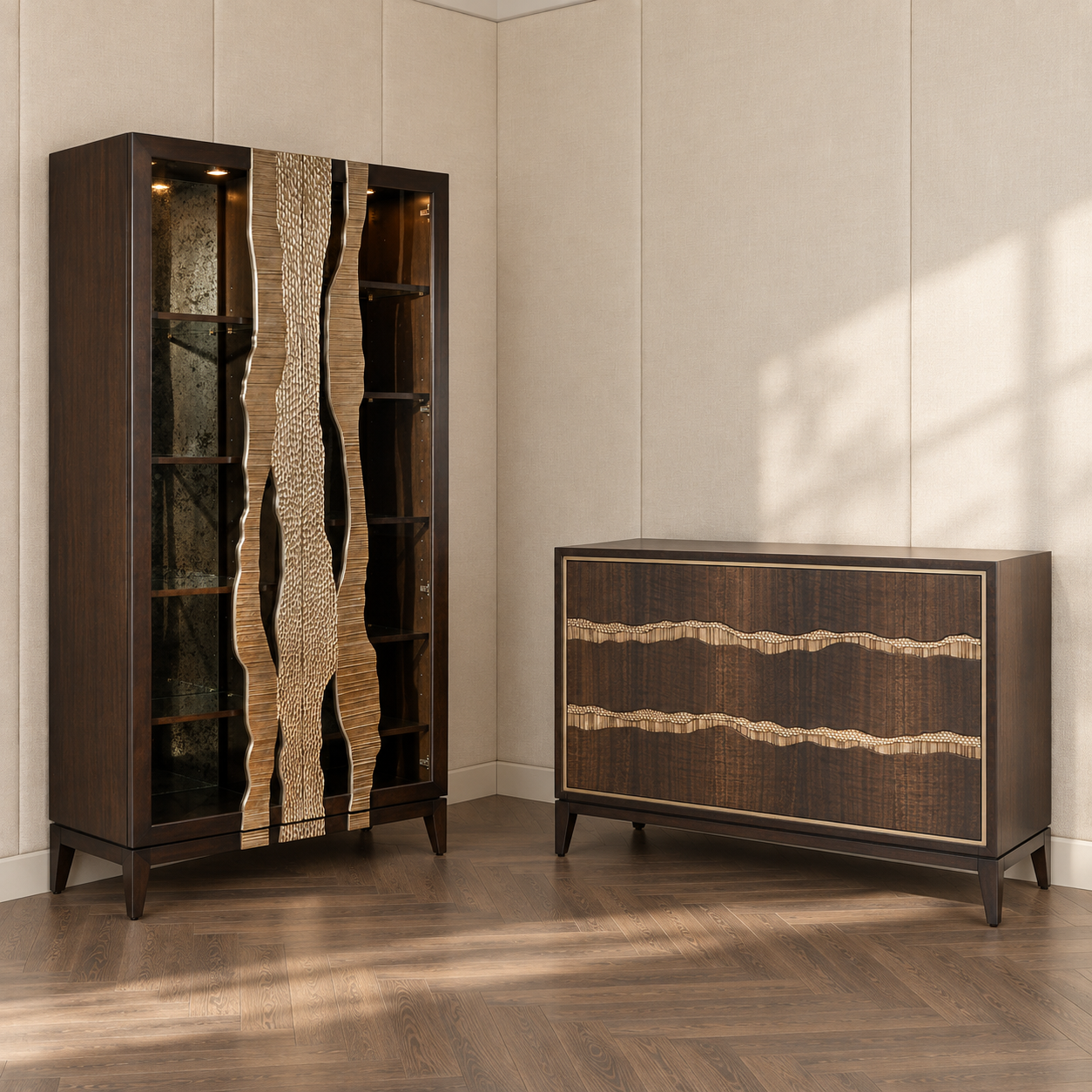 Cabinets
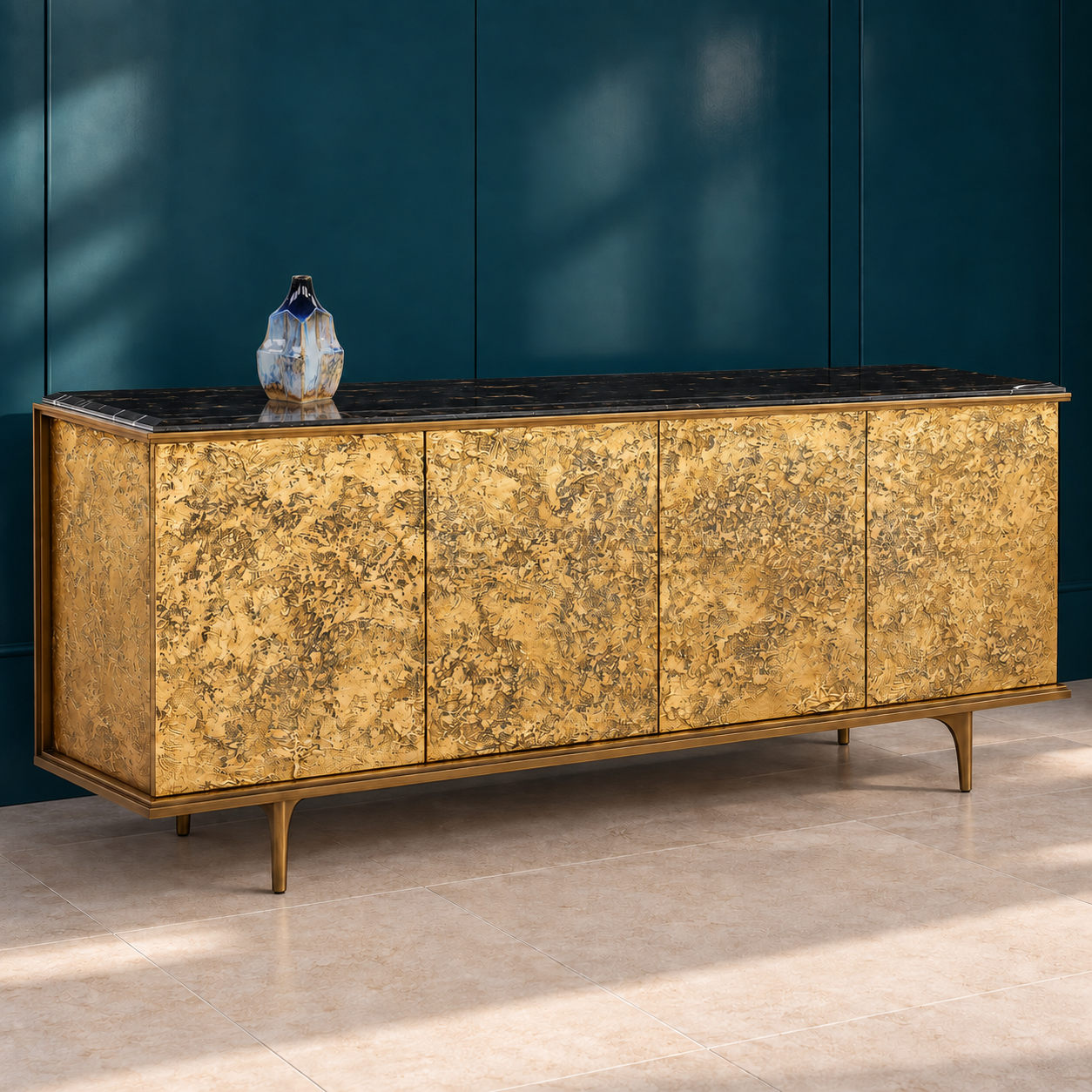 Sideboards
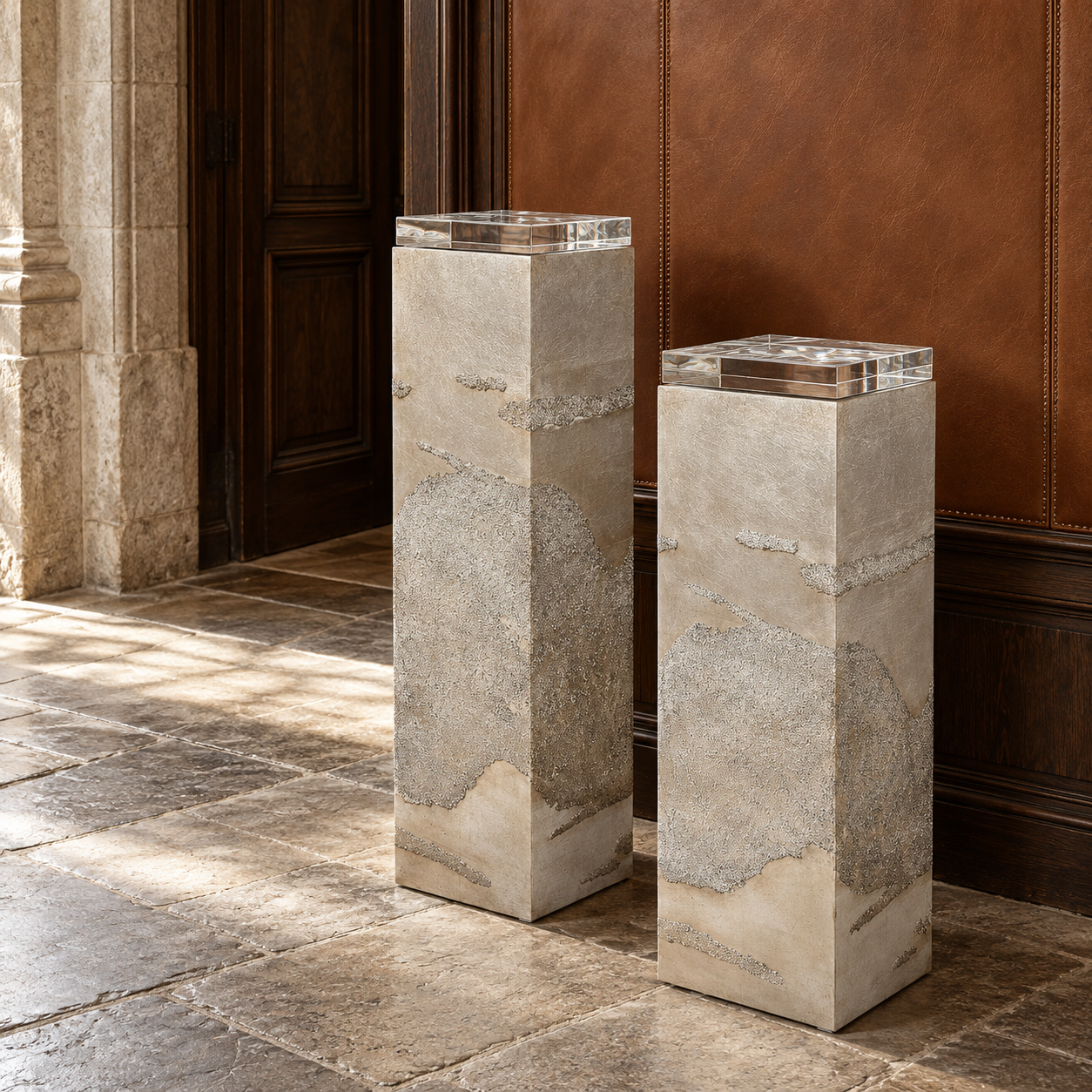 Pedestals
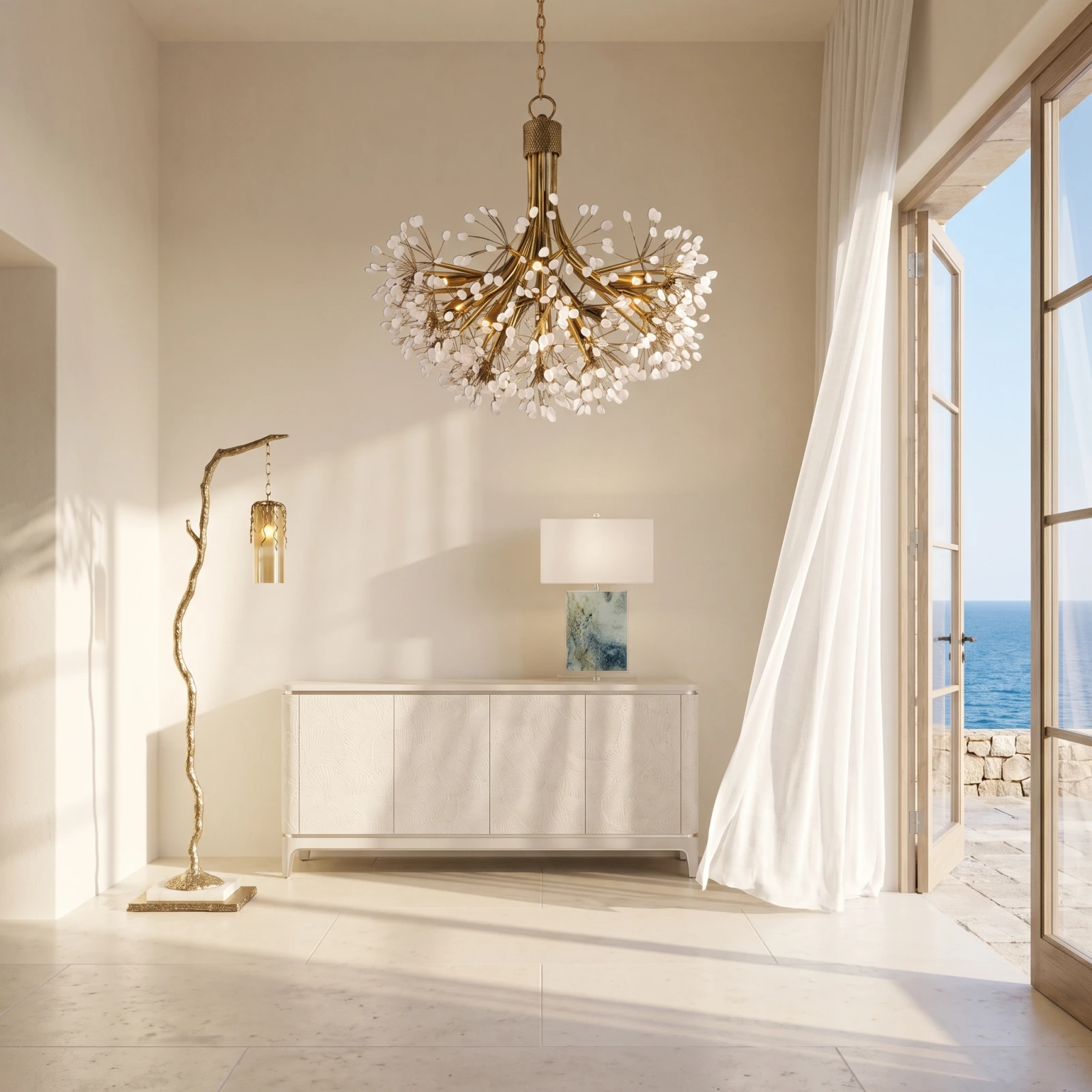 Table lamps
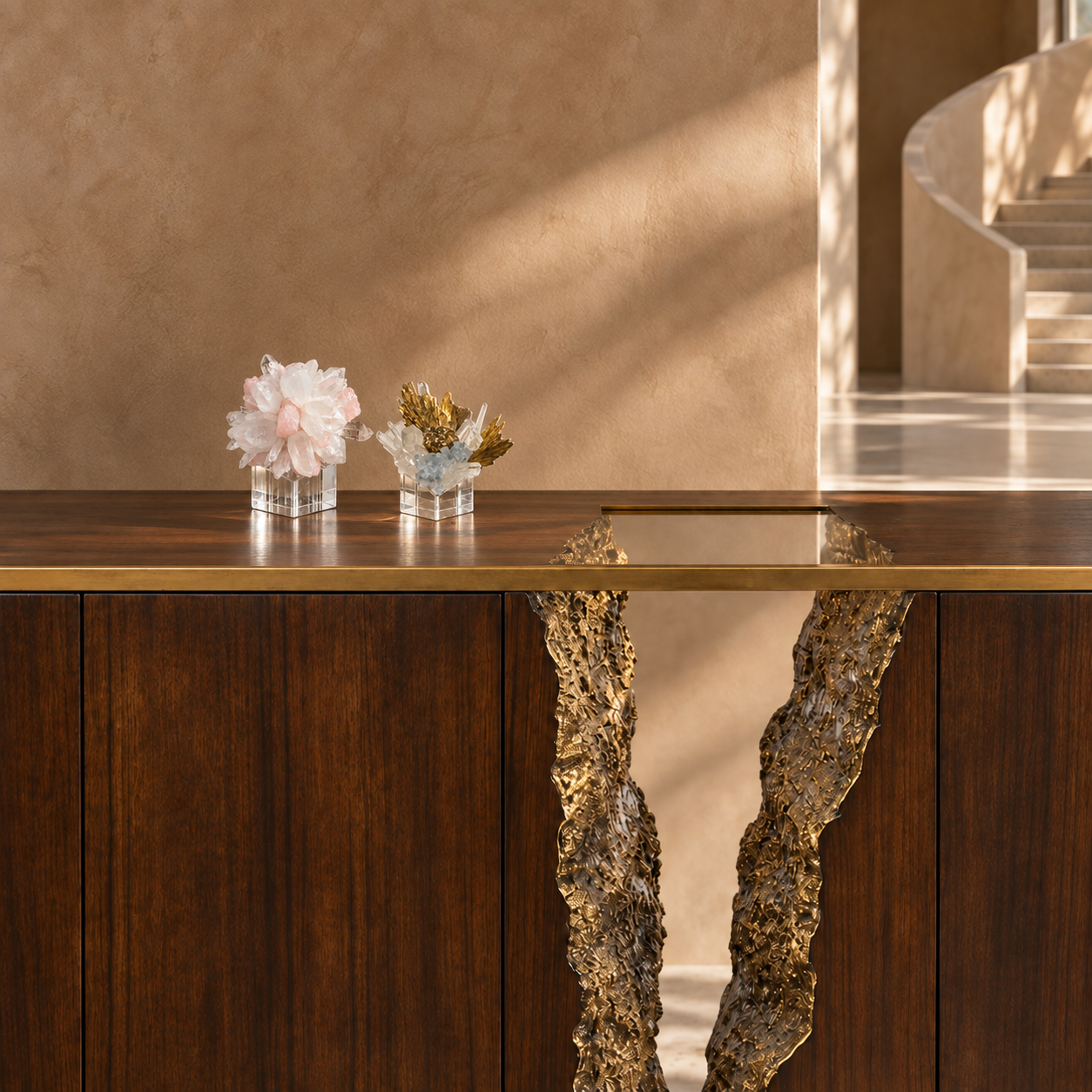 Sculpture
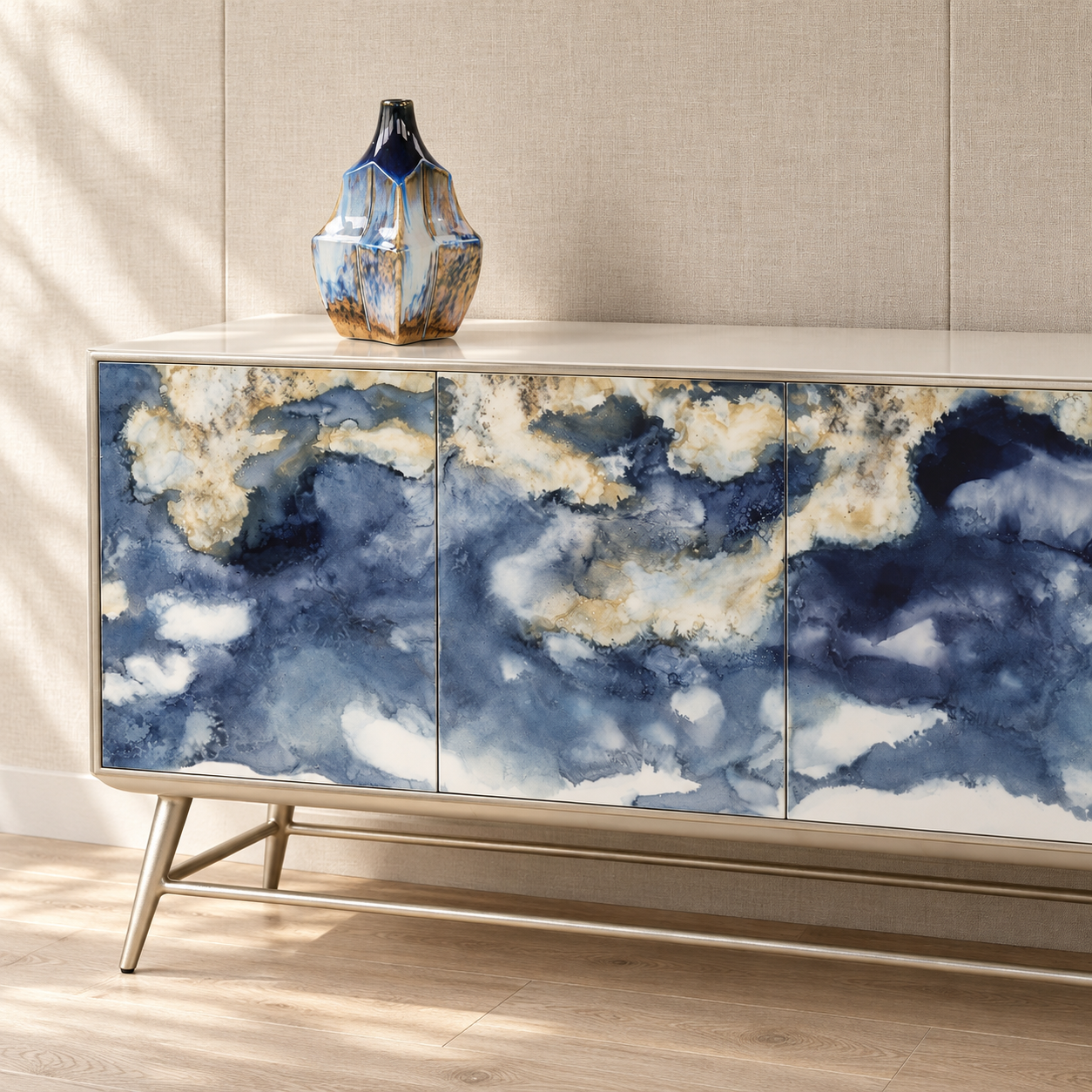 Vessels
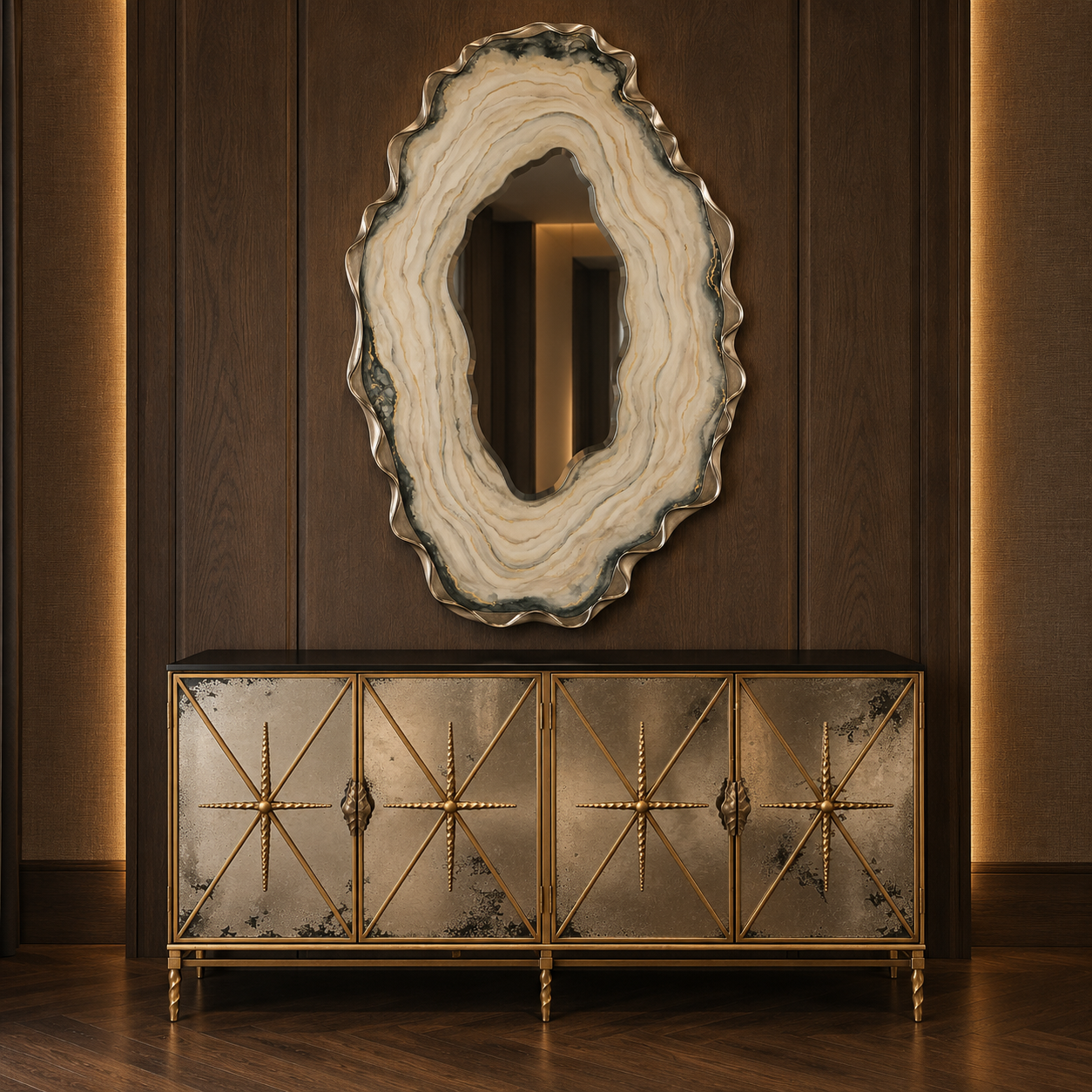 Mirrors
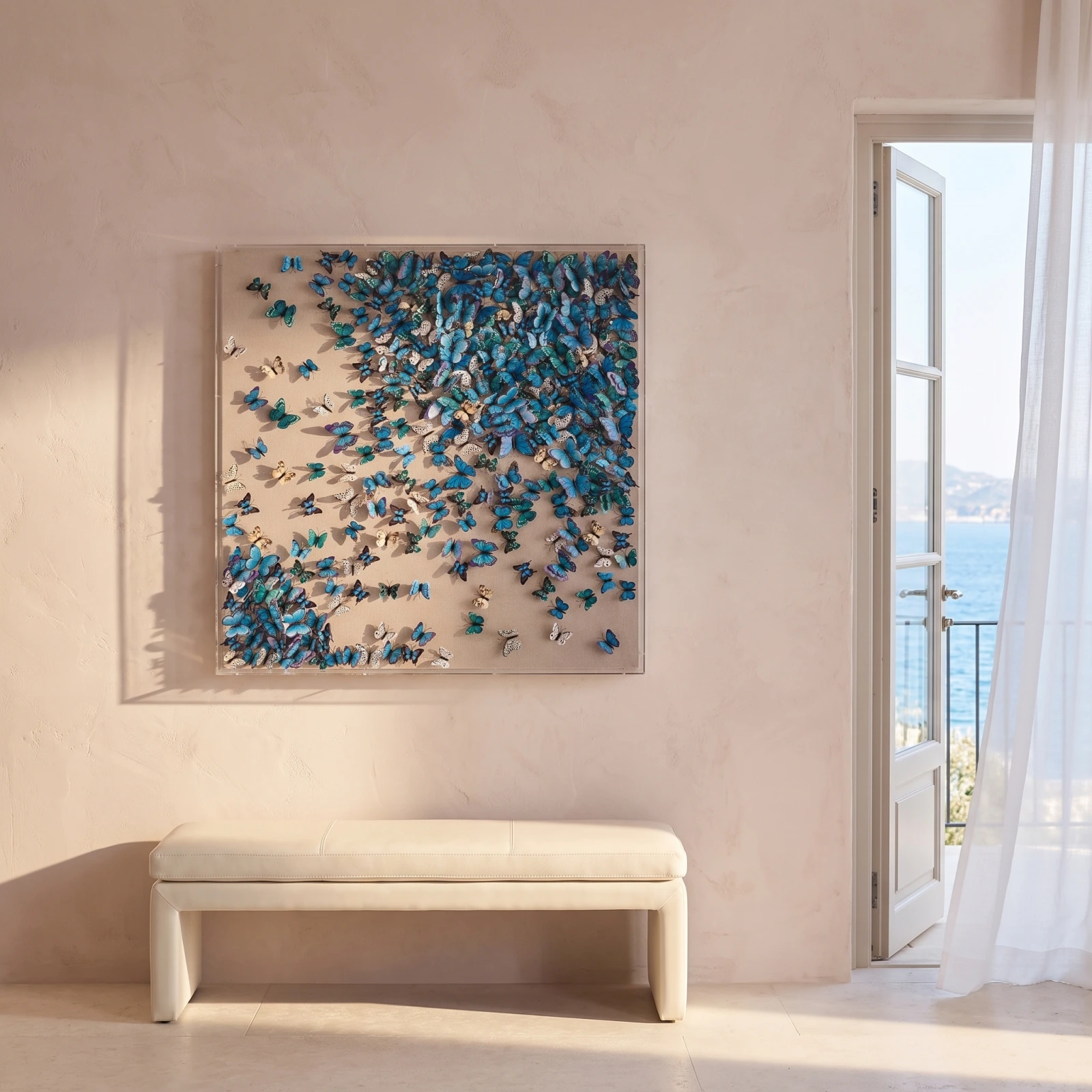 Wall art
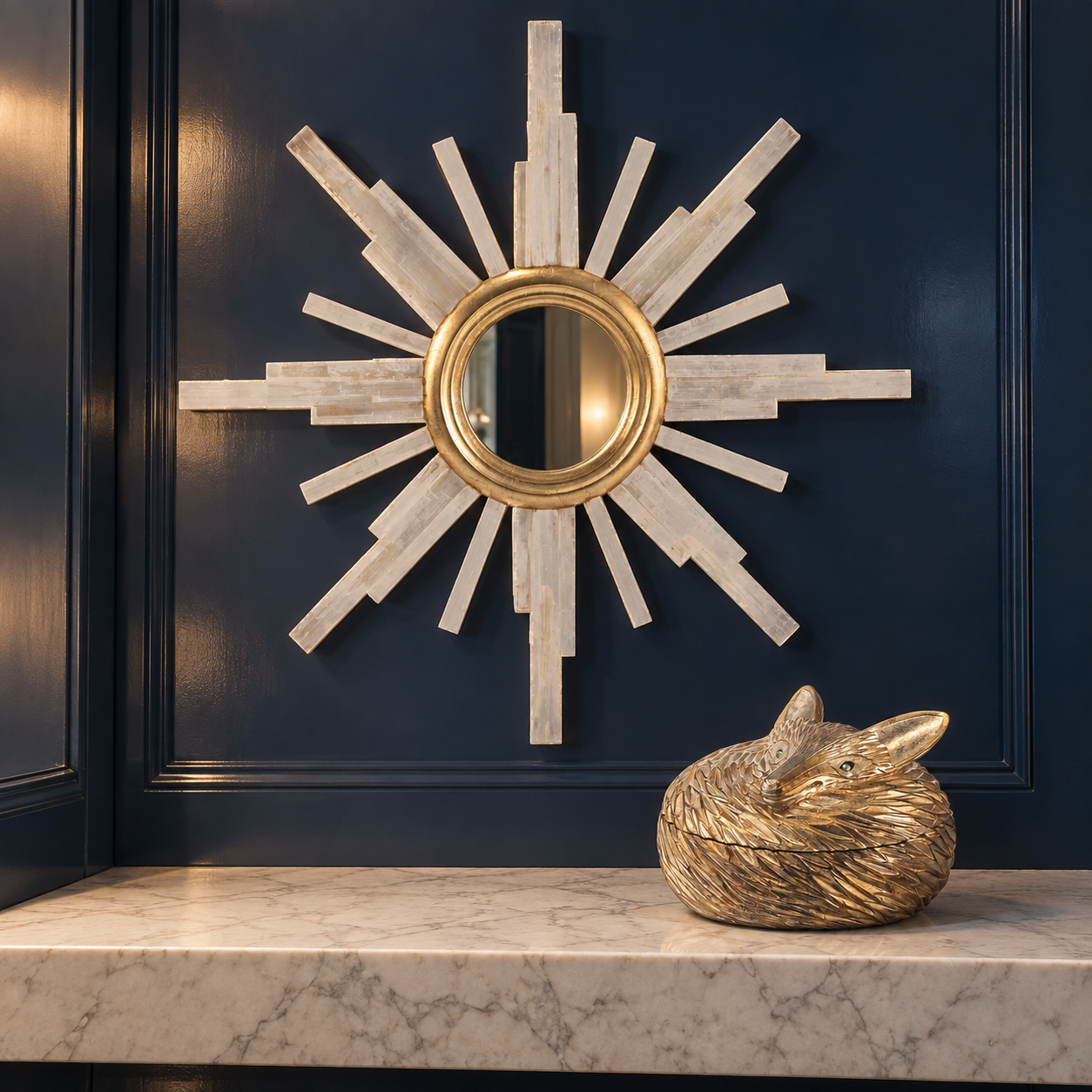 Decorative objects
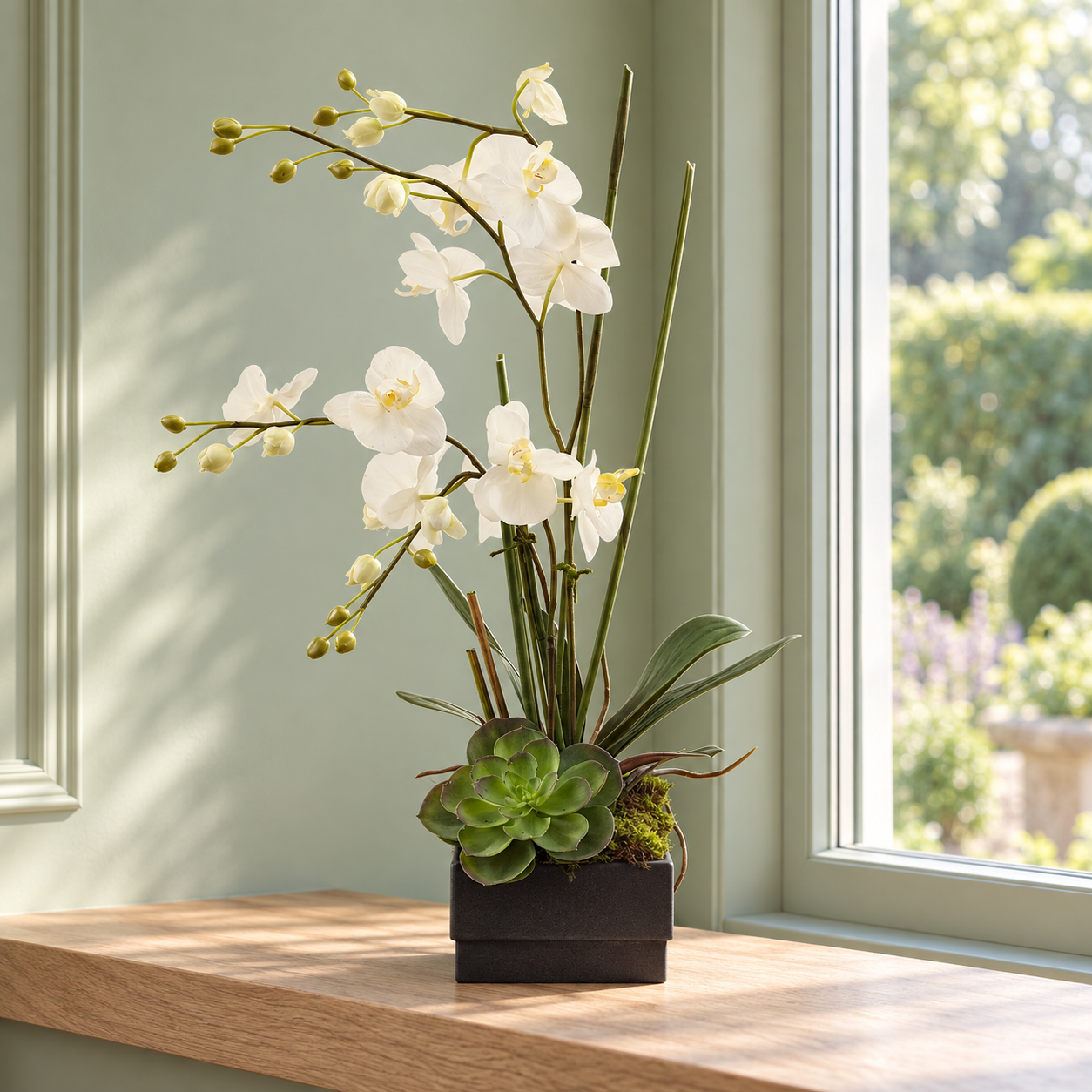 Botanicals
Most furniture is bought in the wrong order. The colour is chosen first, the cover second, and the structure — the part that decides how long the piece lasts — is never examined at all. The result is a room that photographs well on delivery day and needs replacing within ten years, one piece at a time.
The order that holds is the reverse: structure first, surface second, fashion last. Each stage narrows the field for the next, and the questions get easier as they get less consequential.
Structure first
Structure is the decision you cannot revisit. A seat frame in kiln-dried hardwood, joined by mortise and tenon rather than fastened, will outlast every cover it ever wears. A carcass with a solid back and drawers cut to run on wooden runners will still close square when the scheme around it has changed twice. None of this is visible in a photograph, which is why it has to be asked about.
Lighting has a structure of its own, and it is electrical as much as physical. A fitting worth keeping is one whose parts can be serviced: a driver that can be replaced when it fails, a lamp holder in a standard fitting rather than a sealed module, a cast or machined body that carries its weight without flexing. A luminaire that cannot be opened is a disposable object with a long cable.
Buy the frame and the joint. The cover, the shade and the colour are decisions you are allowed to change your mind about.
Surface second
Once the structure is settled, choose surfaces for how they age rather than how they arrive. Oiled and waxed timber, full-grain leather, patinated bronze and stone all mark, and the marks accumulate into a record of the room being lived in. Film finishes and coated foils resist everything until they fail, and then fail visibly.
In upholstery, the practical question is whether the cover can come off. A piece with a removable, re-orderable cover has two or three lives; a fixed cover ties the piece's lifespan to its fabric. Ask for the martindale figure, then ask the better question: what does this cover look like after five years of use, and can you show me?
Fashion last
Shape is where restraint earns its keep. A piece with a settled, quiet silhouette moves house with you, changes rooms, and survives the scheme it was bought for. A piece bought at the height of a shape's popularity announces its purchase date forever. This is not an argument against character — a room needs one or two pieces that fix it in place — it is an argument for spending character deliberately rather than everywhere.
The test we use: imagine the piece in the room your parents kept, and in the room you expect to keep at seventy. If it belongs in both, the shape will hold.
The buying order, kept short
- Frame and joinery before anything else — hardwood, kiln-dried, joined not fastened.
- For lighting: serviceable parts, standard fittings, a body that can be opened.
- Surfaces that age — and a cover that can be replaced.
- Shape that survives its decade.
- Colour and fabric last. They are the cheapest decisions to change.
Bought in this order, a room assembles slowly and stays. Bought in the reverse order, it arrives all at once and starts leaving almost immediately.
This article is editorial and general. Lighting is shown on this site for reference only and is not offered for sale until EU electrical compliance is documented per piece. Material specifications and lead times for individual pieces are confirmed against supplier records on enquiry.