

 Home
Home Explore Offer
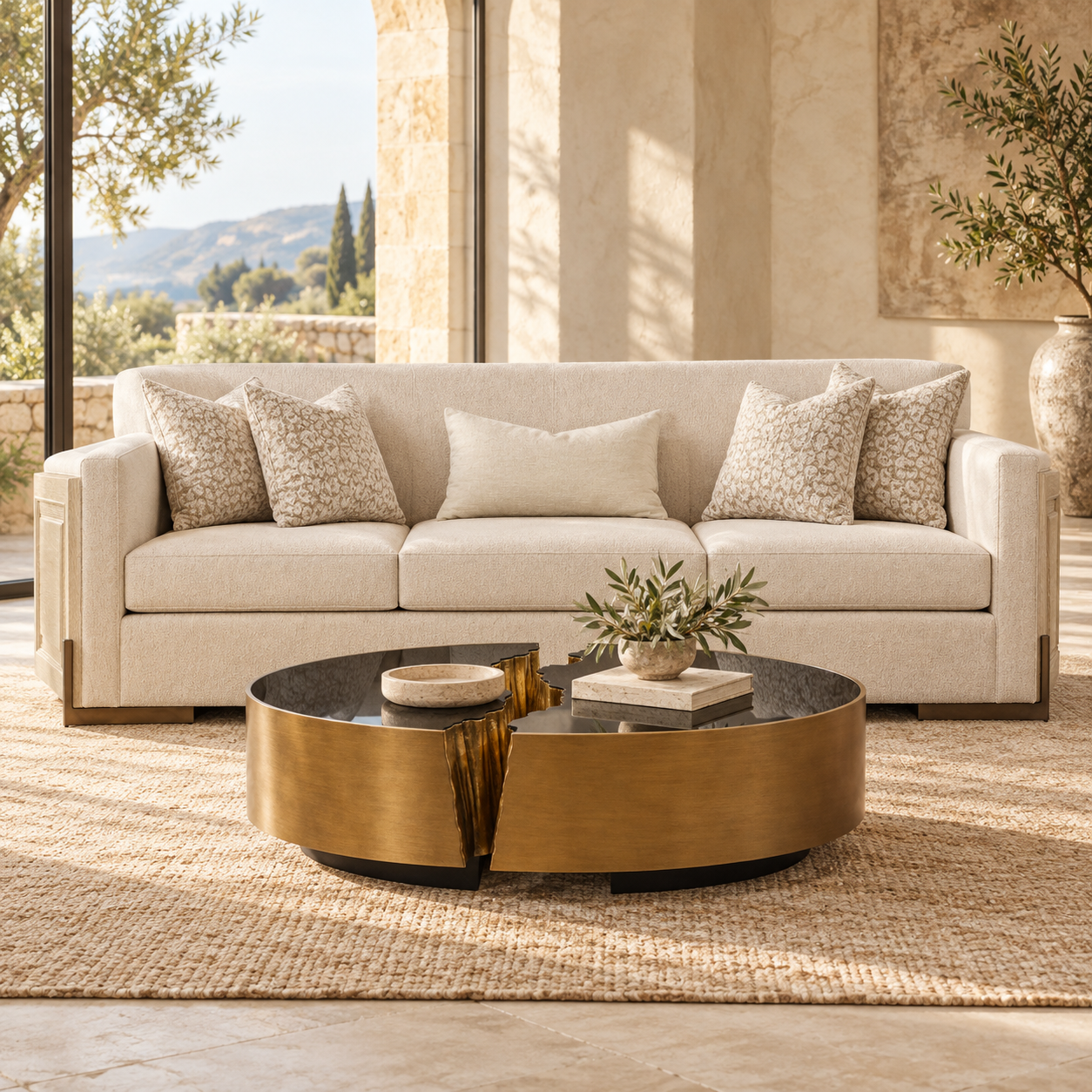 Living room
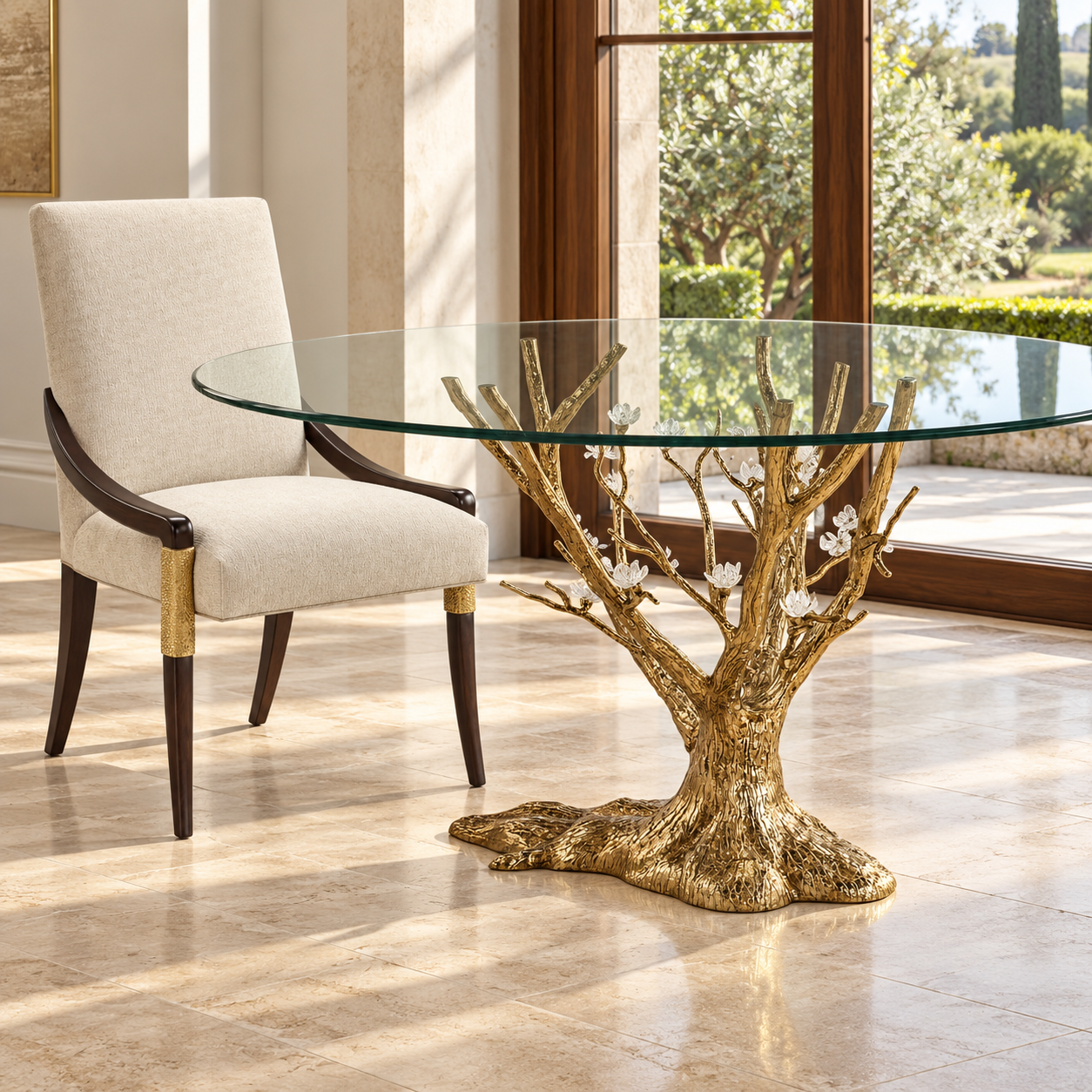 Dining room
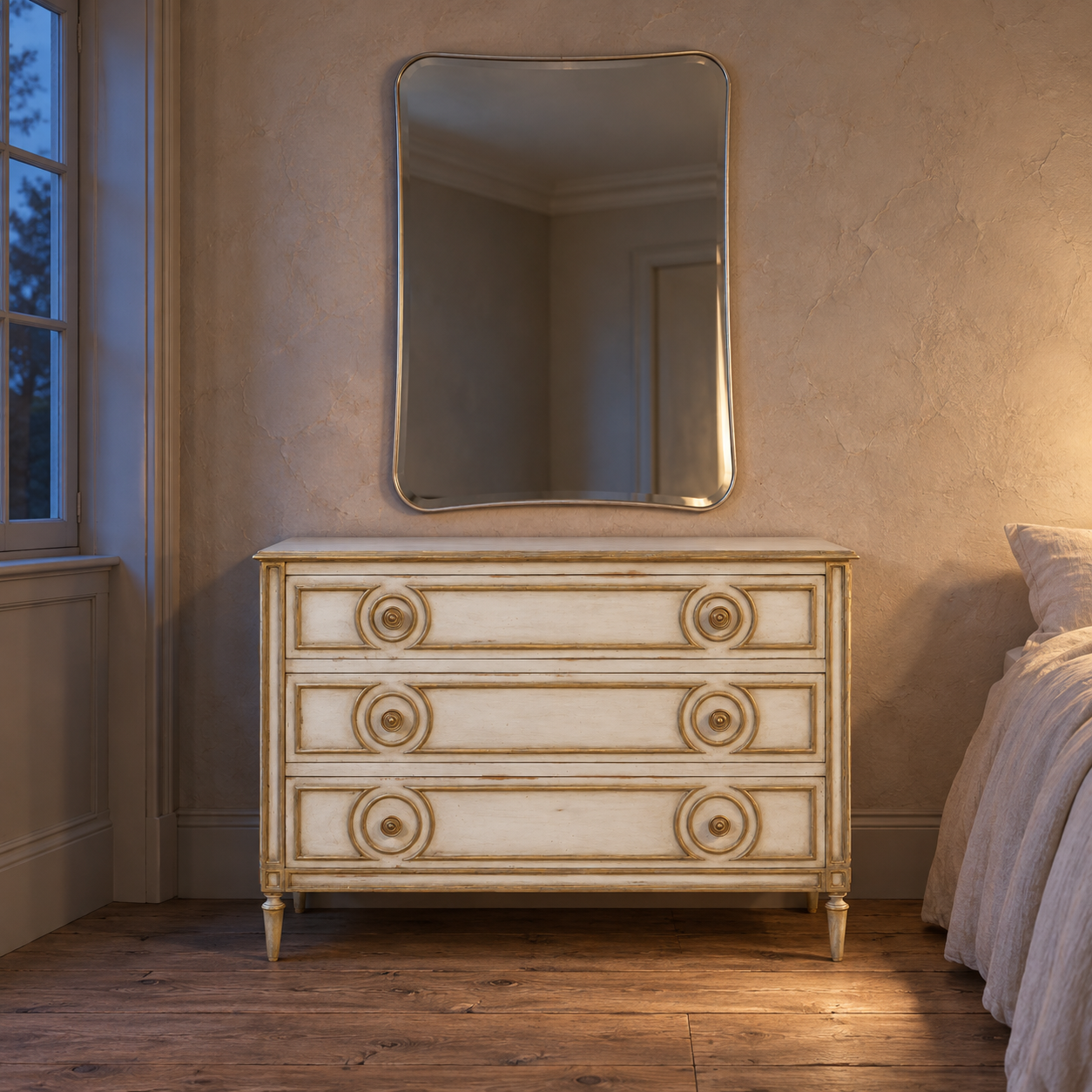 Bedroom
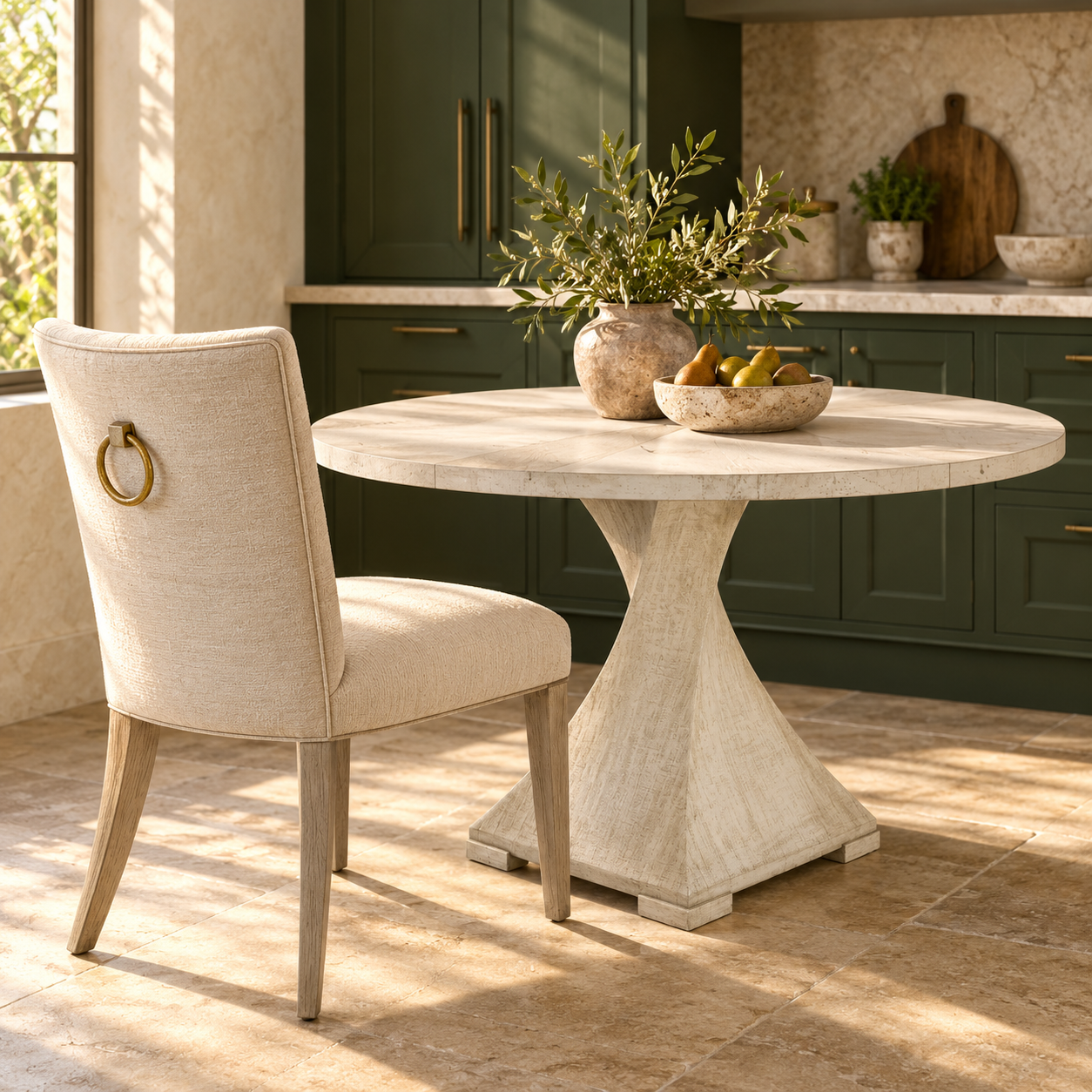 Kitchen
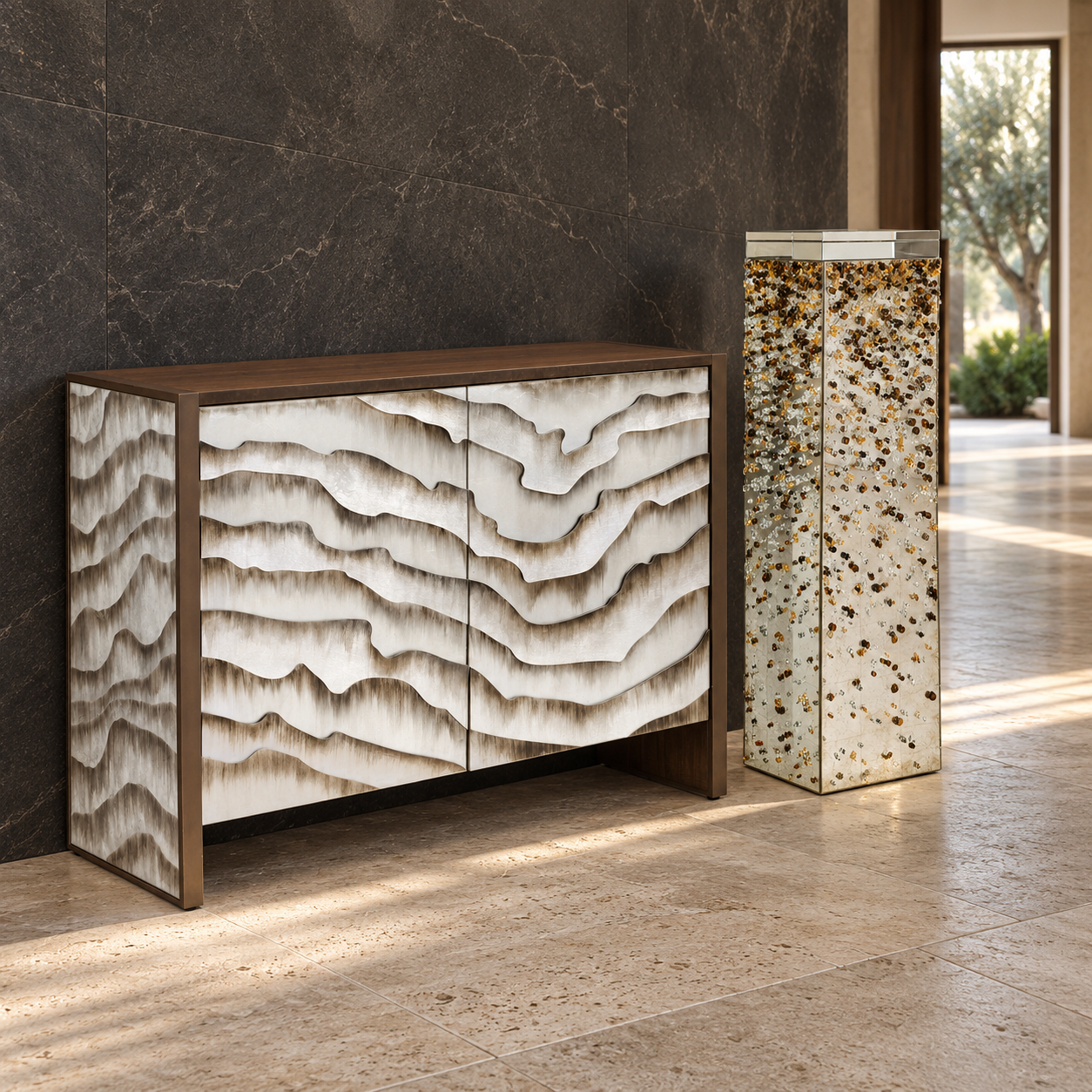 Hallway
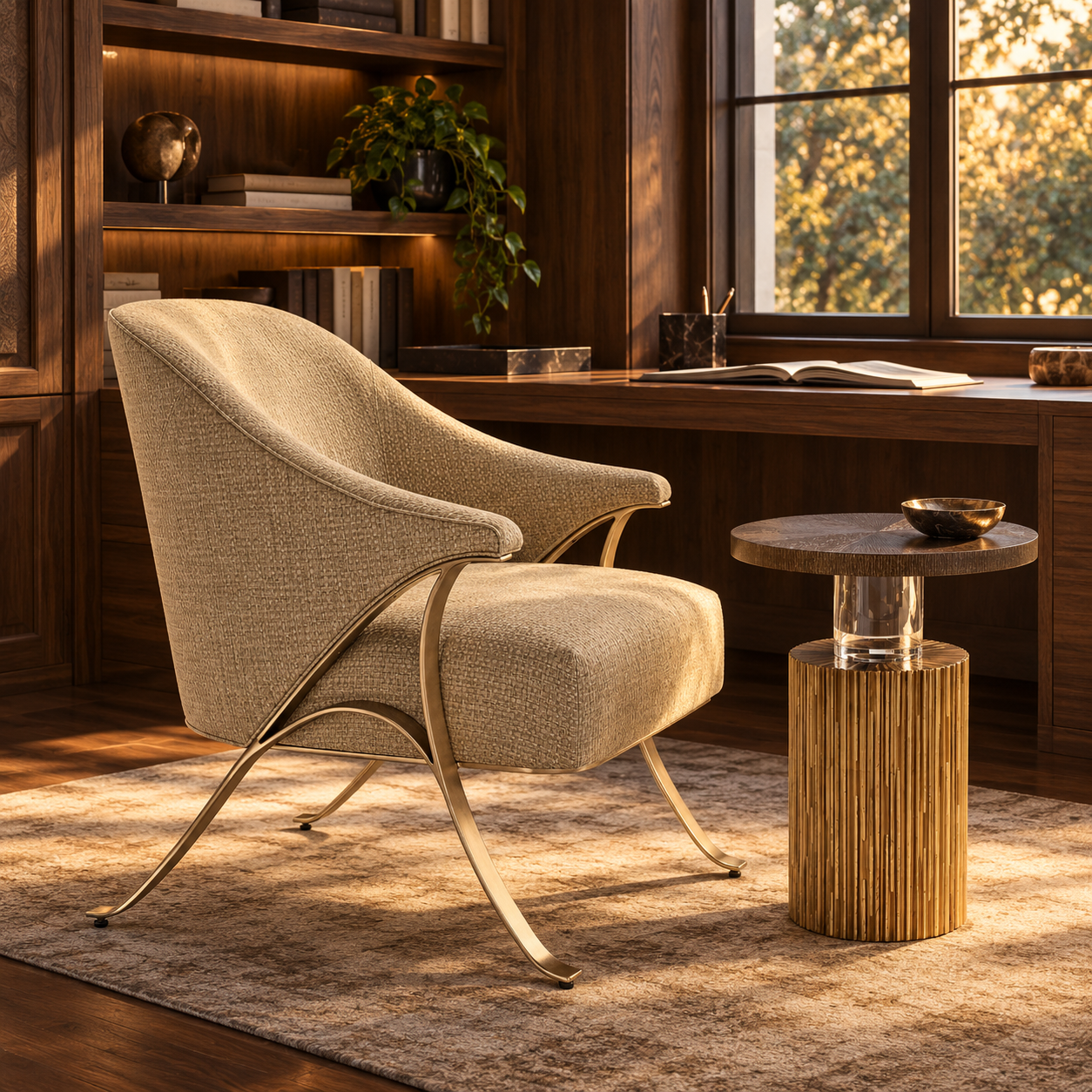 Study
Study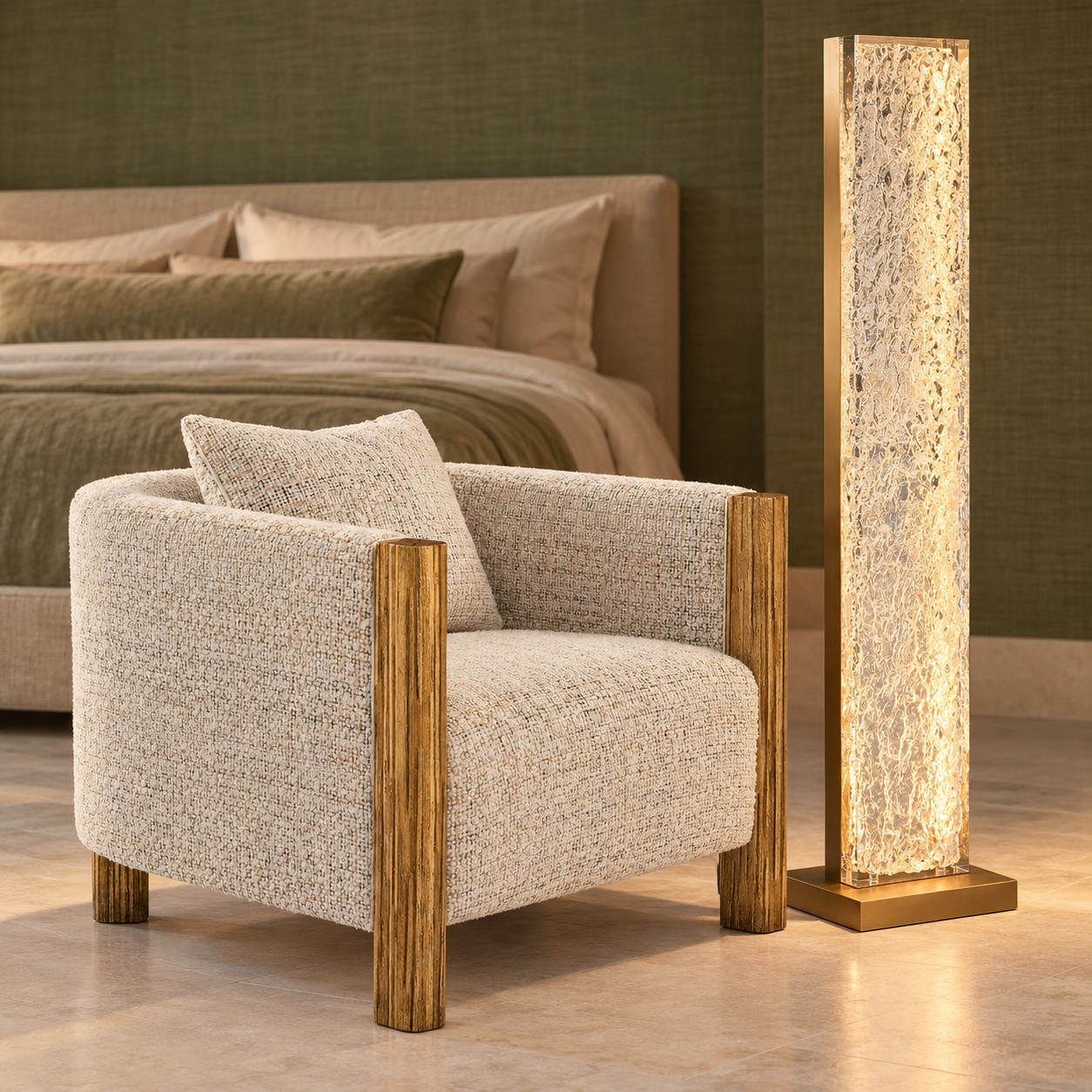 Guest room
 Earthen Retreat
 Sculptural Silence
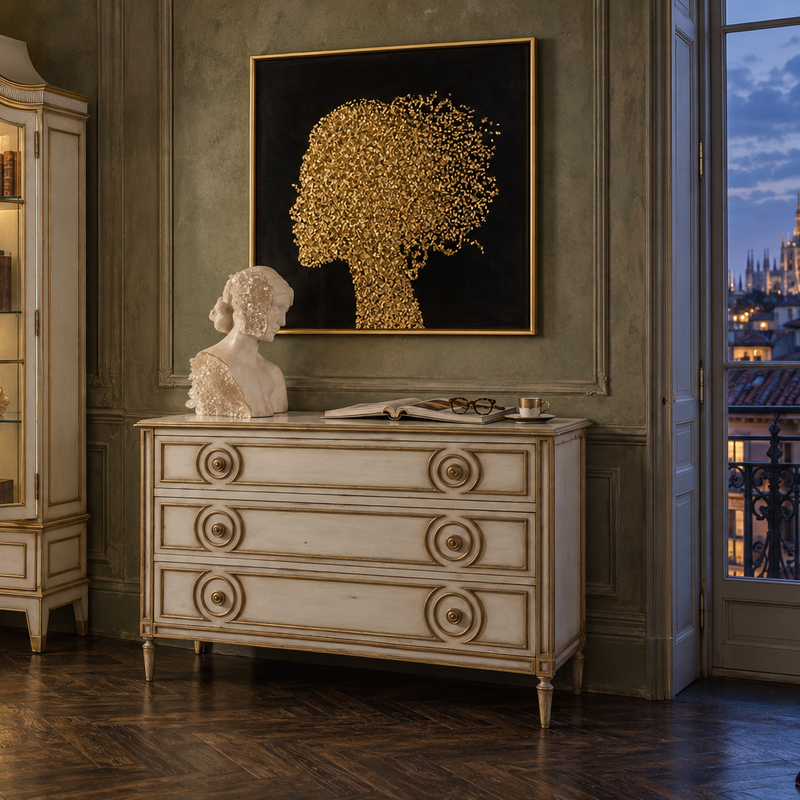 Modern Grand Tour
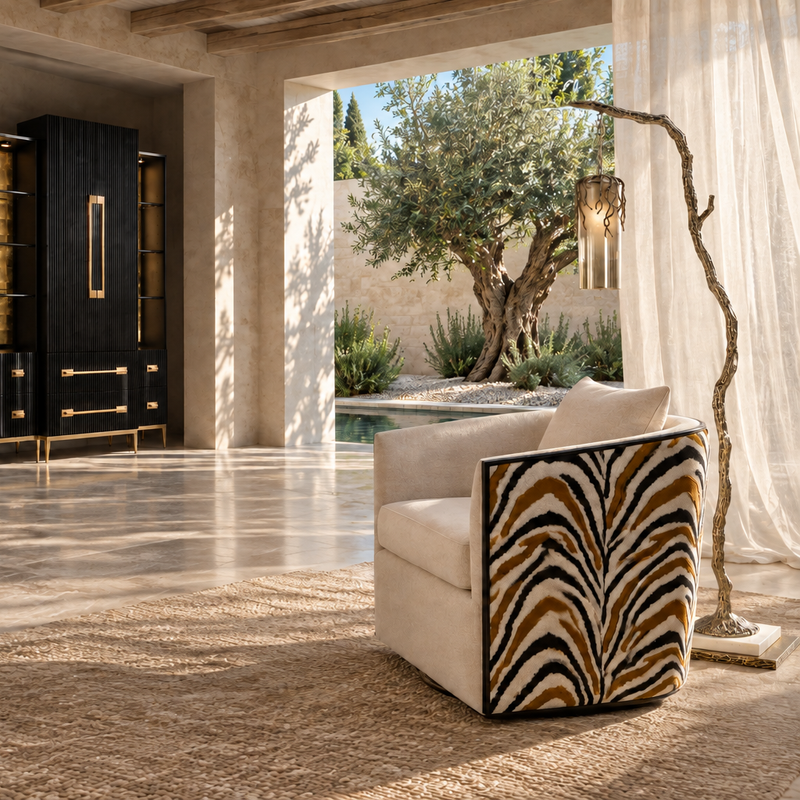 Sunlit Stillness
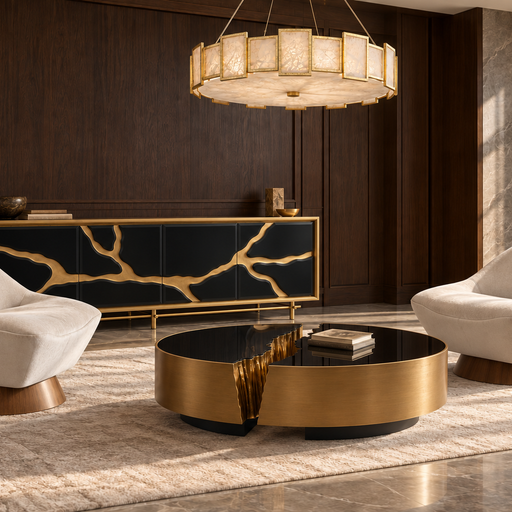 The Collector’s Apartment
 Grand Villa Arrival
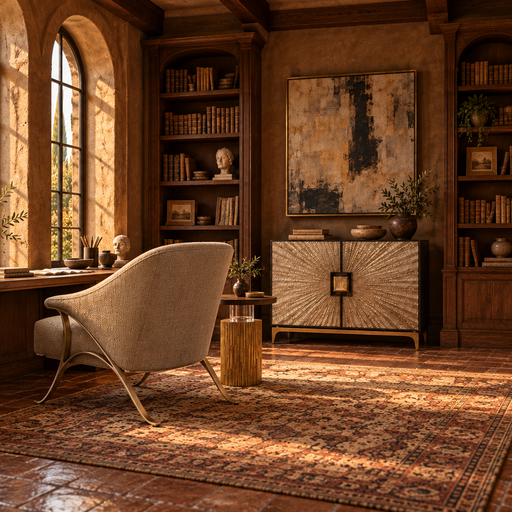 The Villa Library
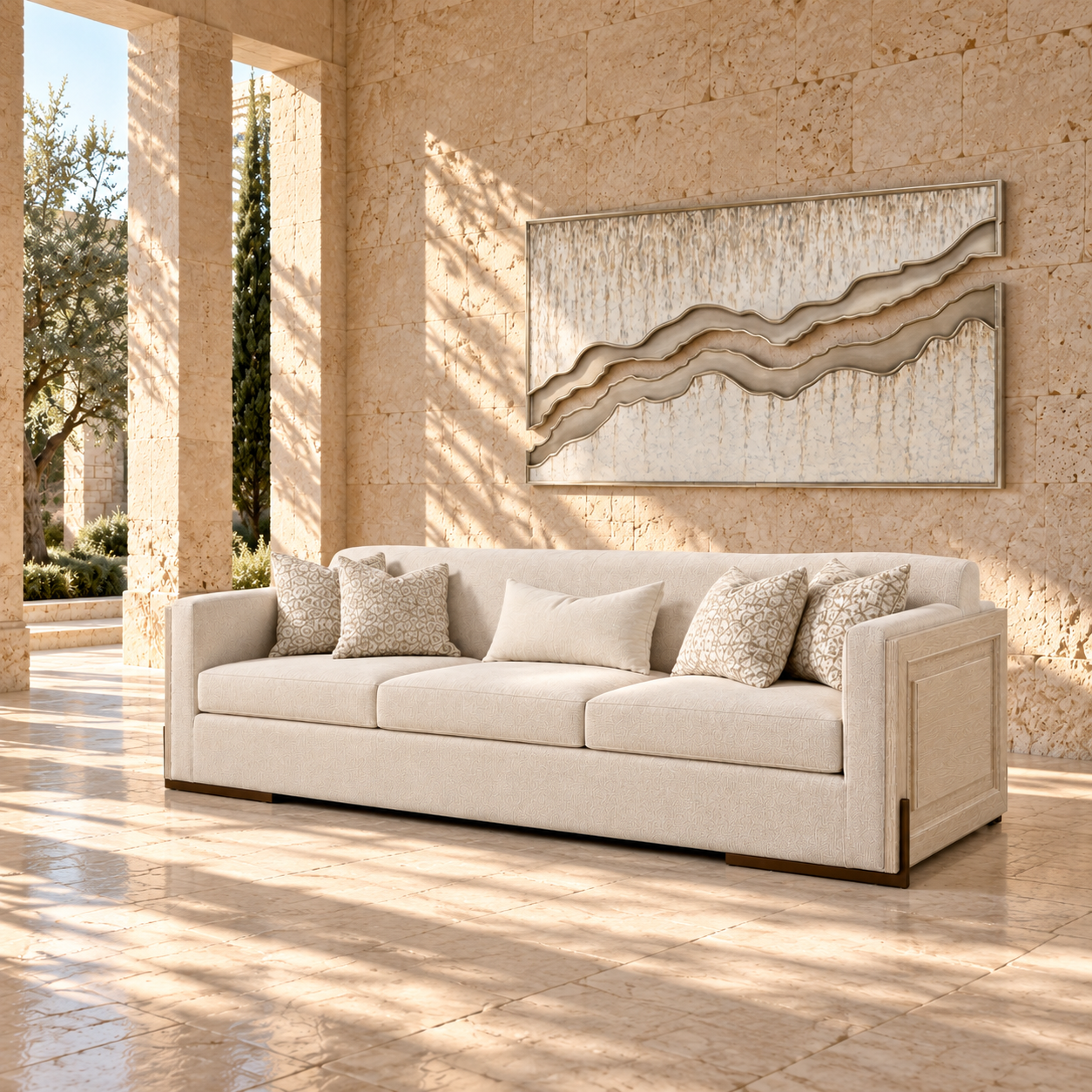 Sofas
Sofas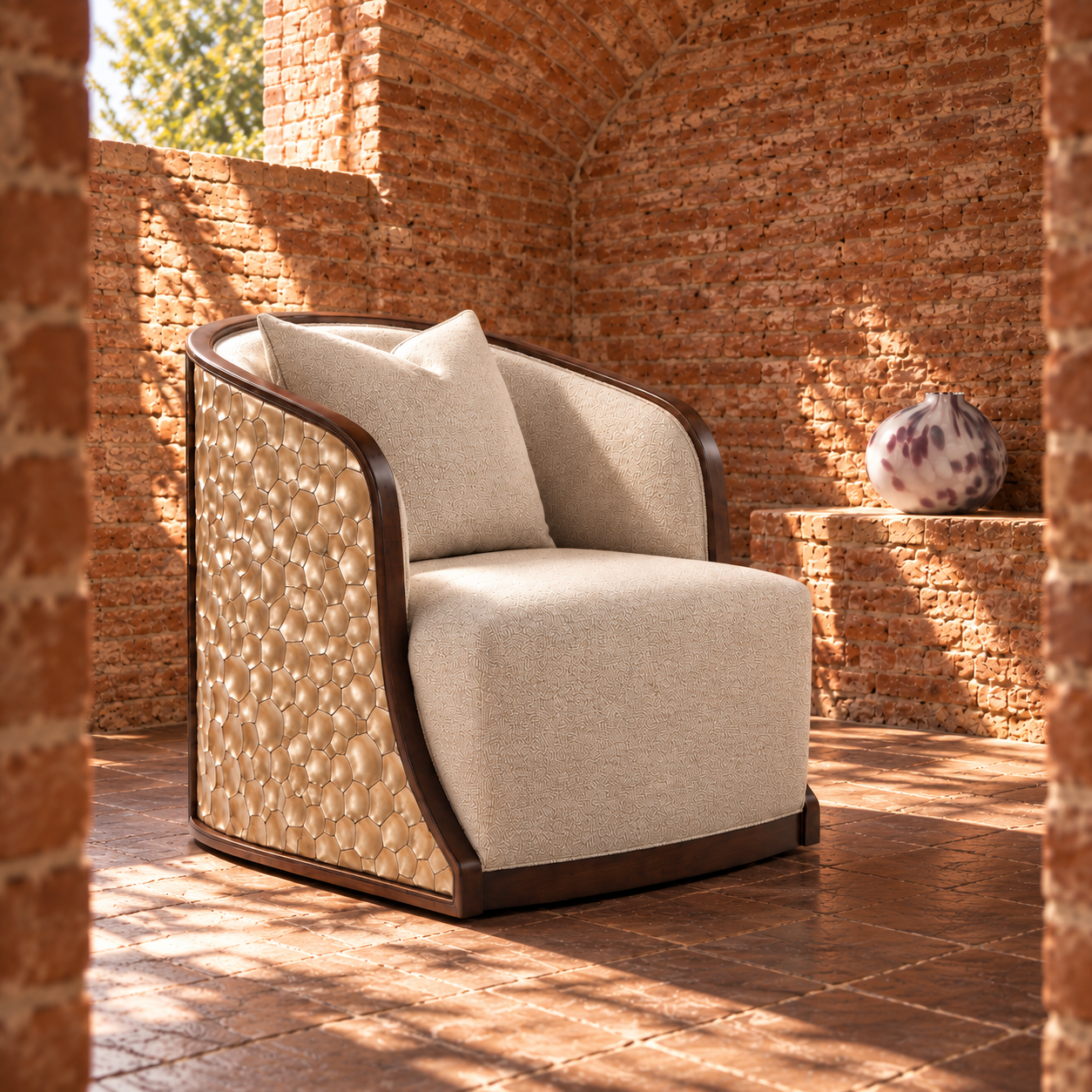 Armchairs
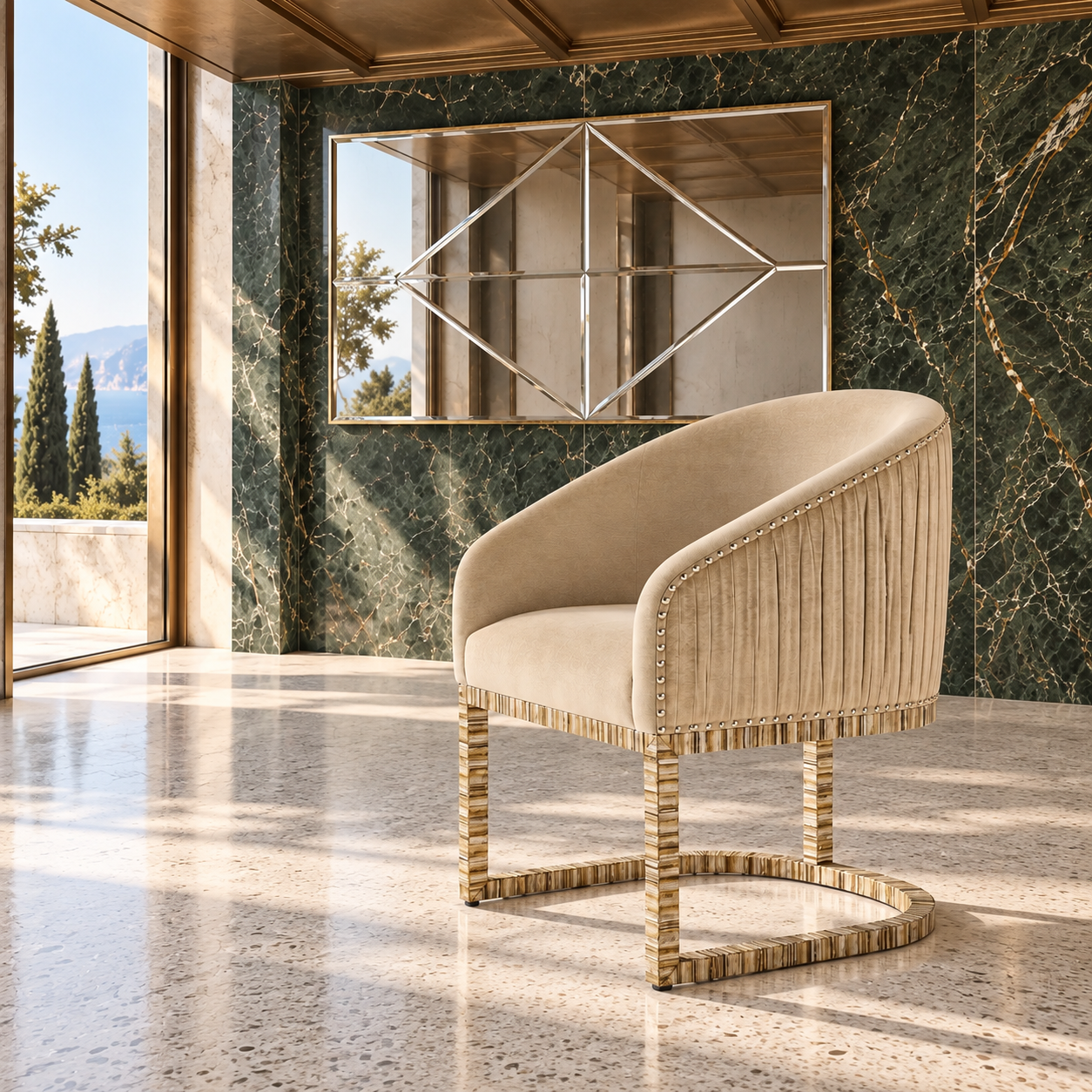 Dining chairs
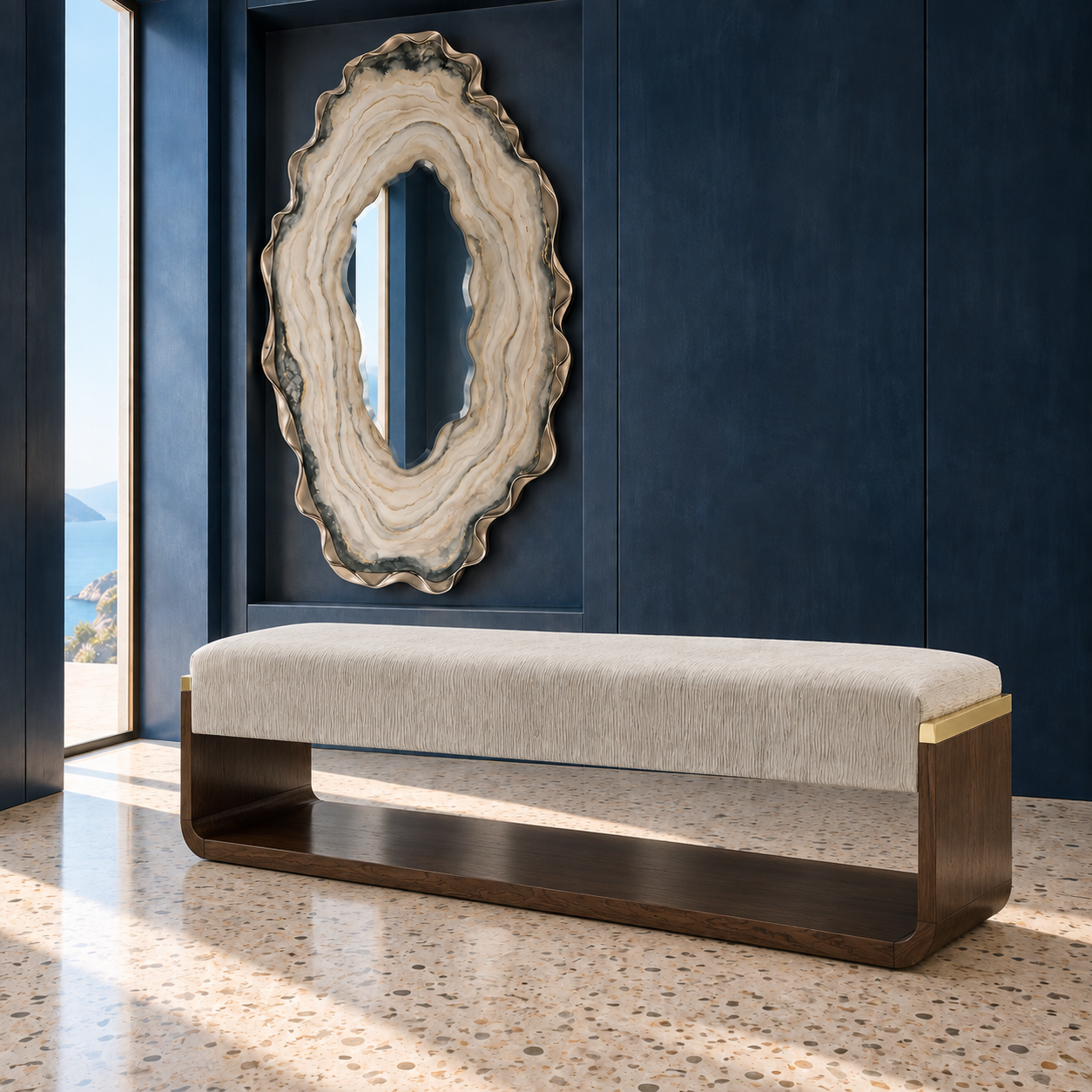 Stools & benches
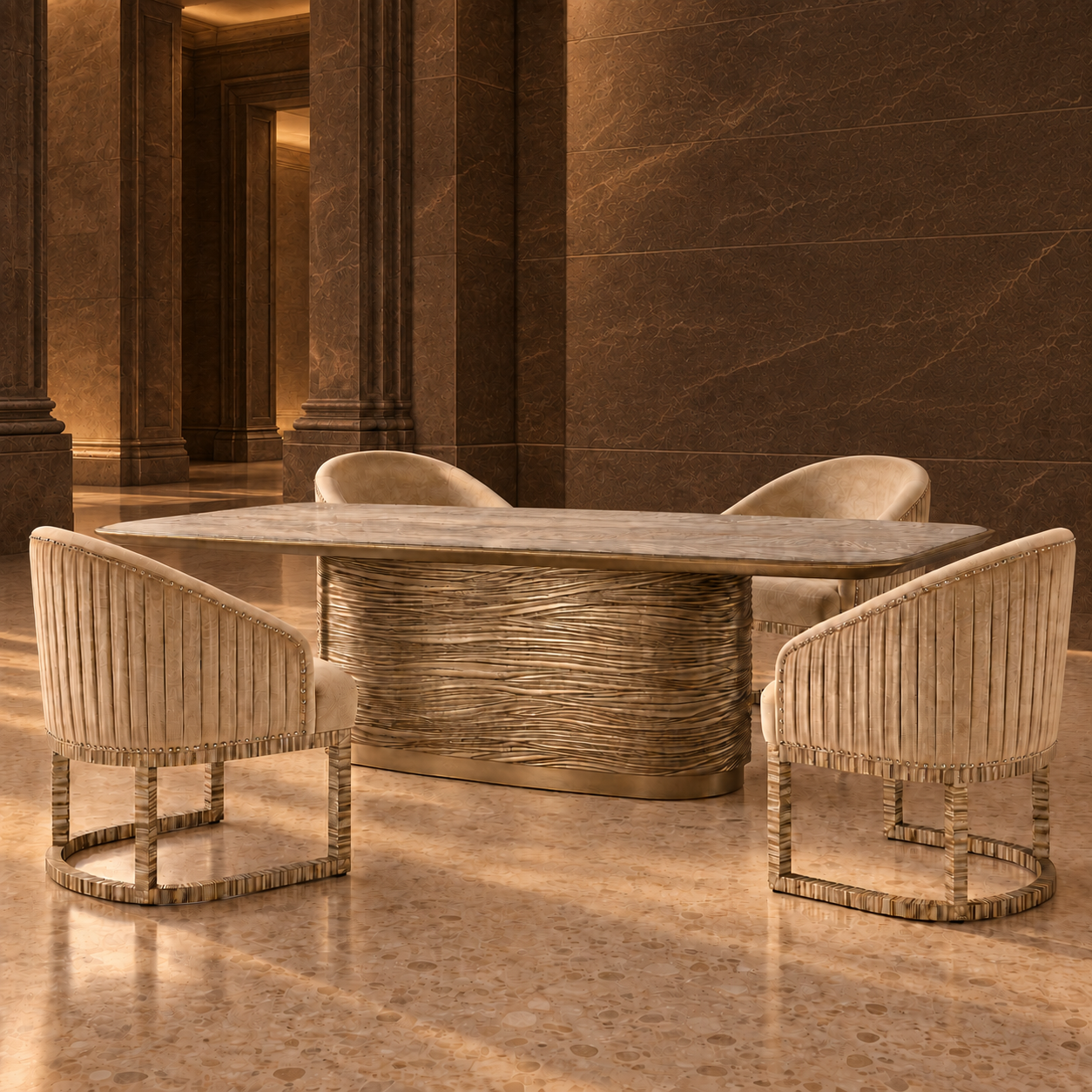 Dining tables
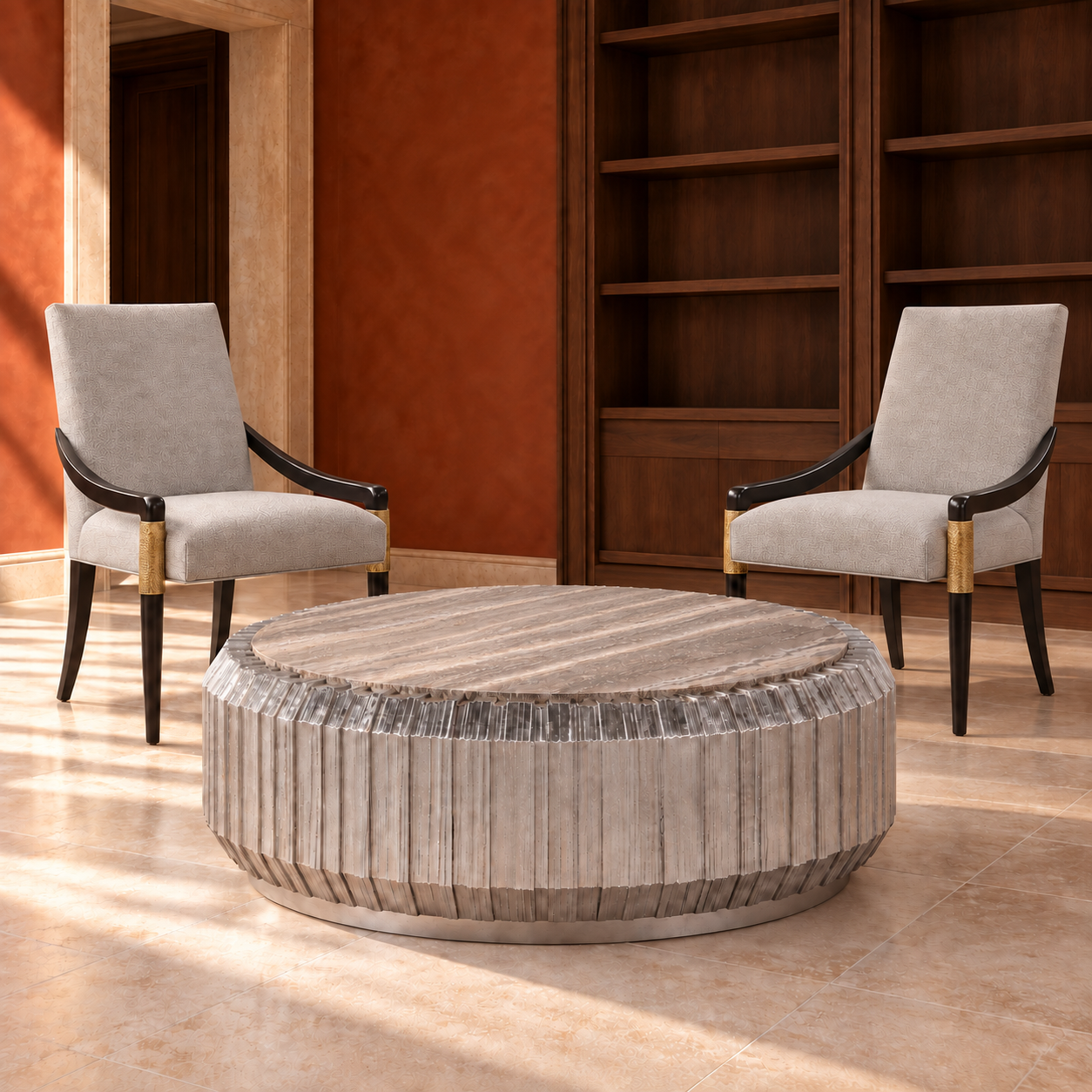 Coffee tables
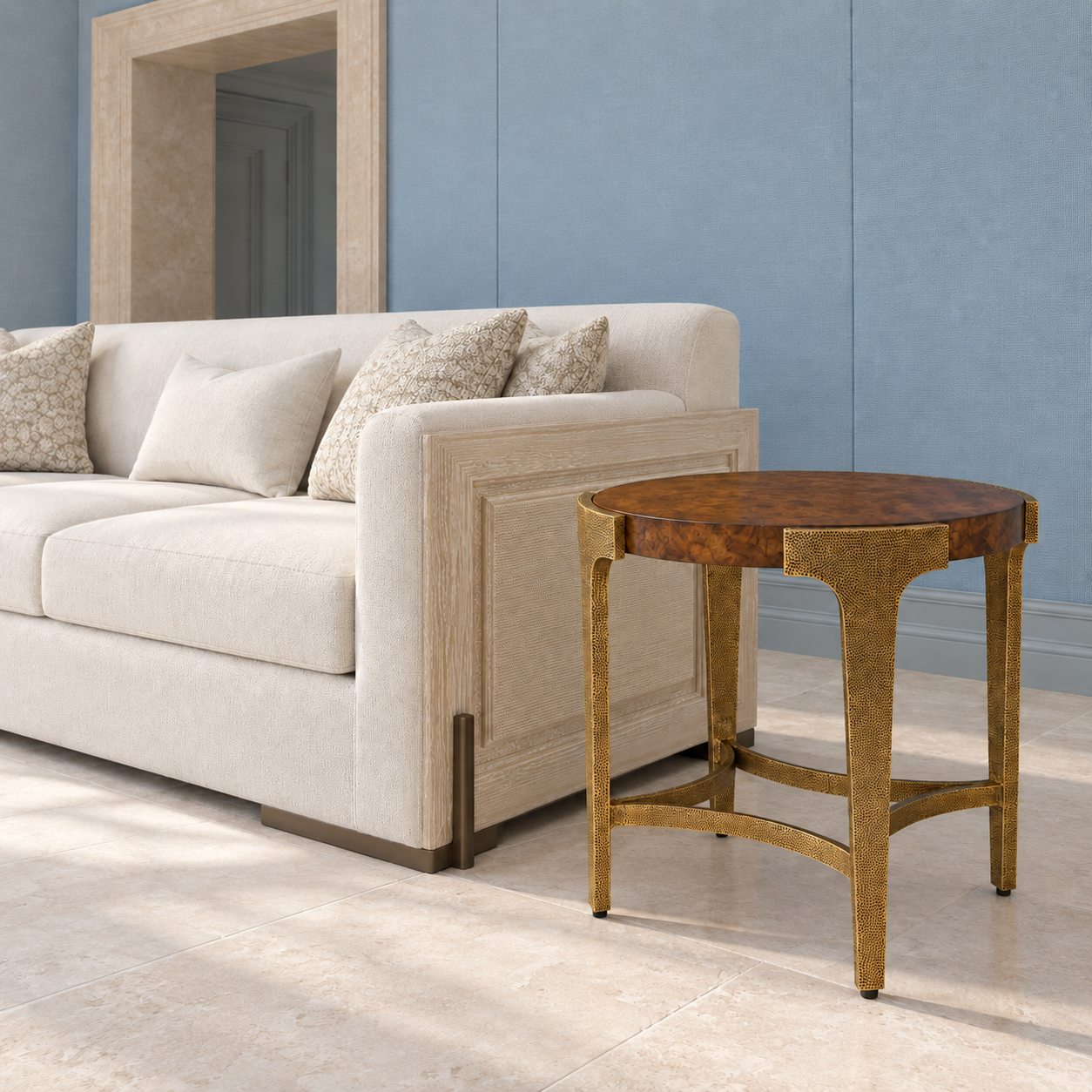 Side tables
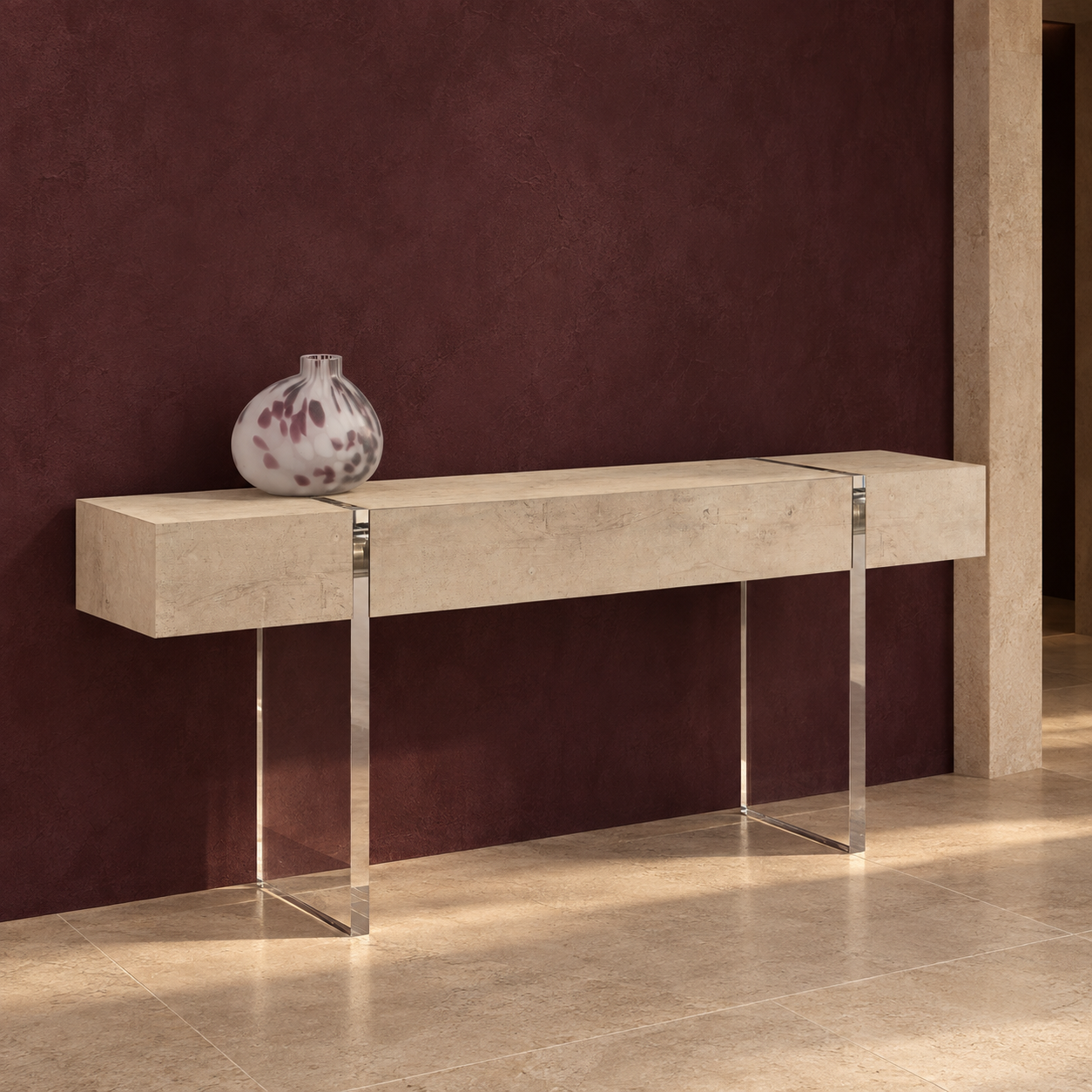 Consoles
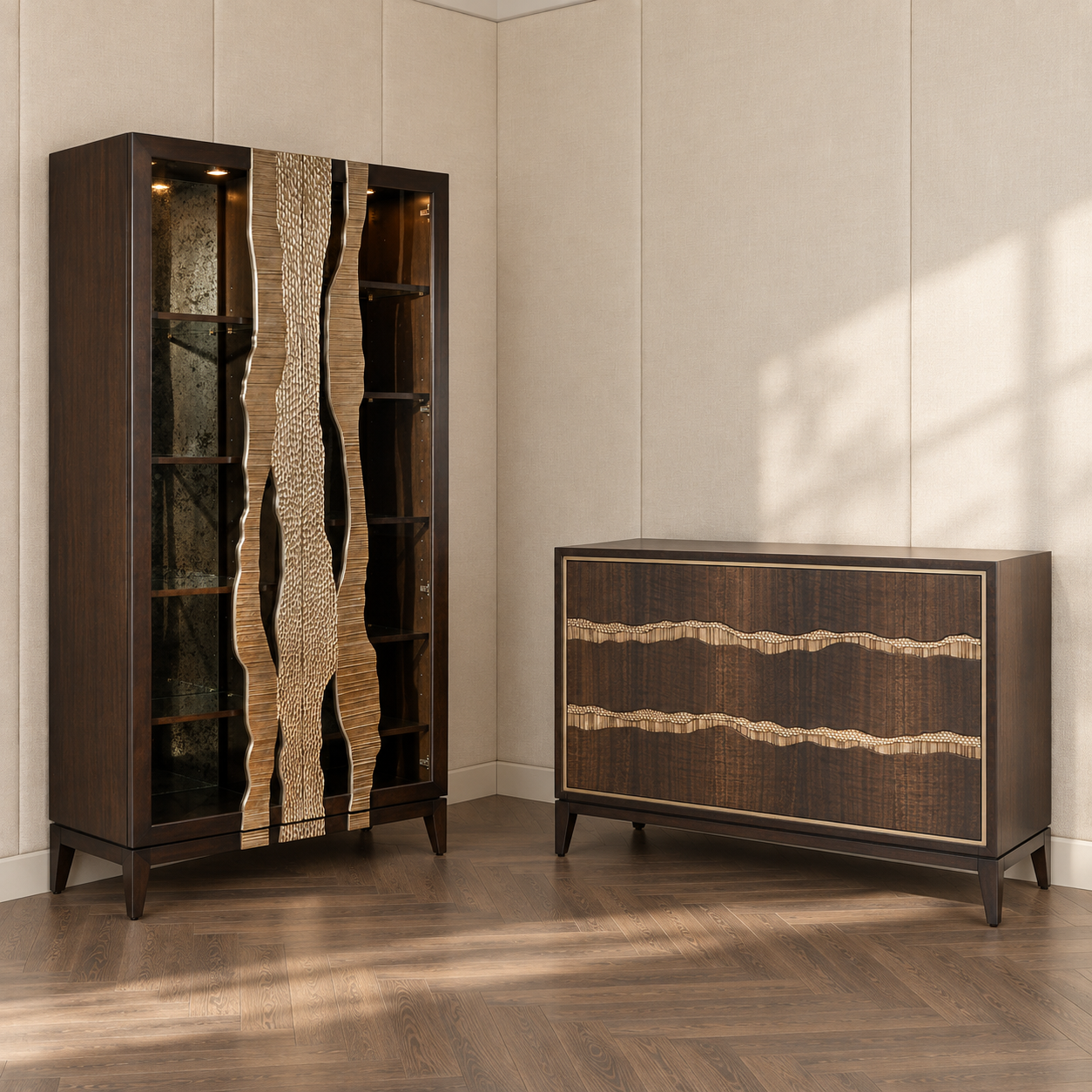 Cabinets
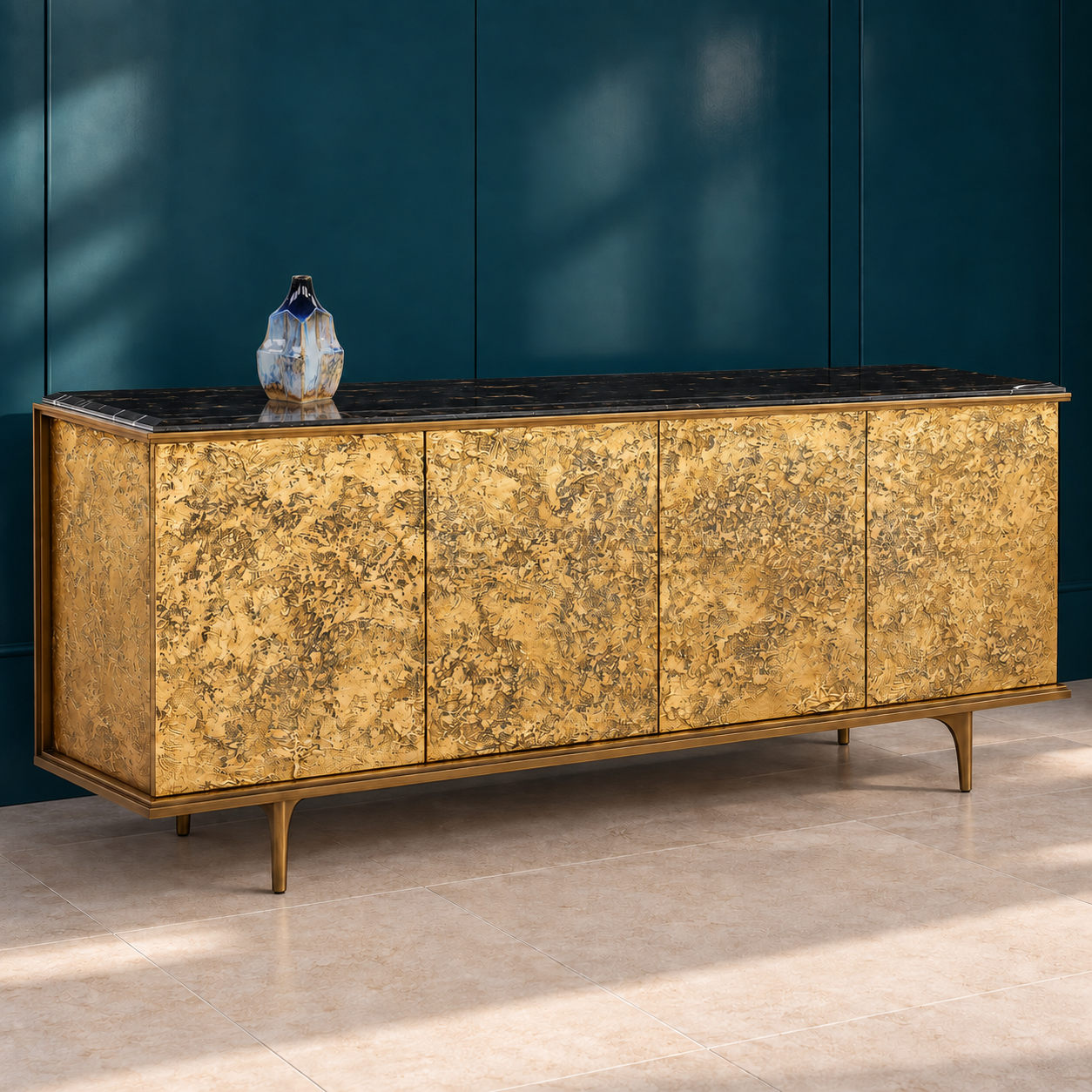 Sideboards
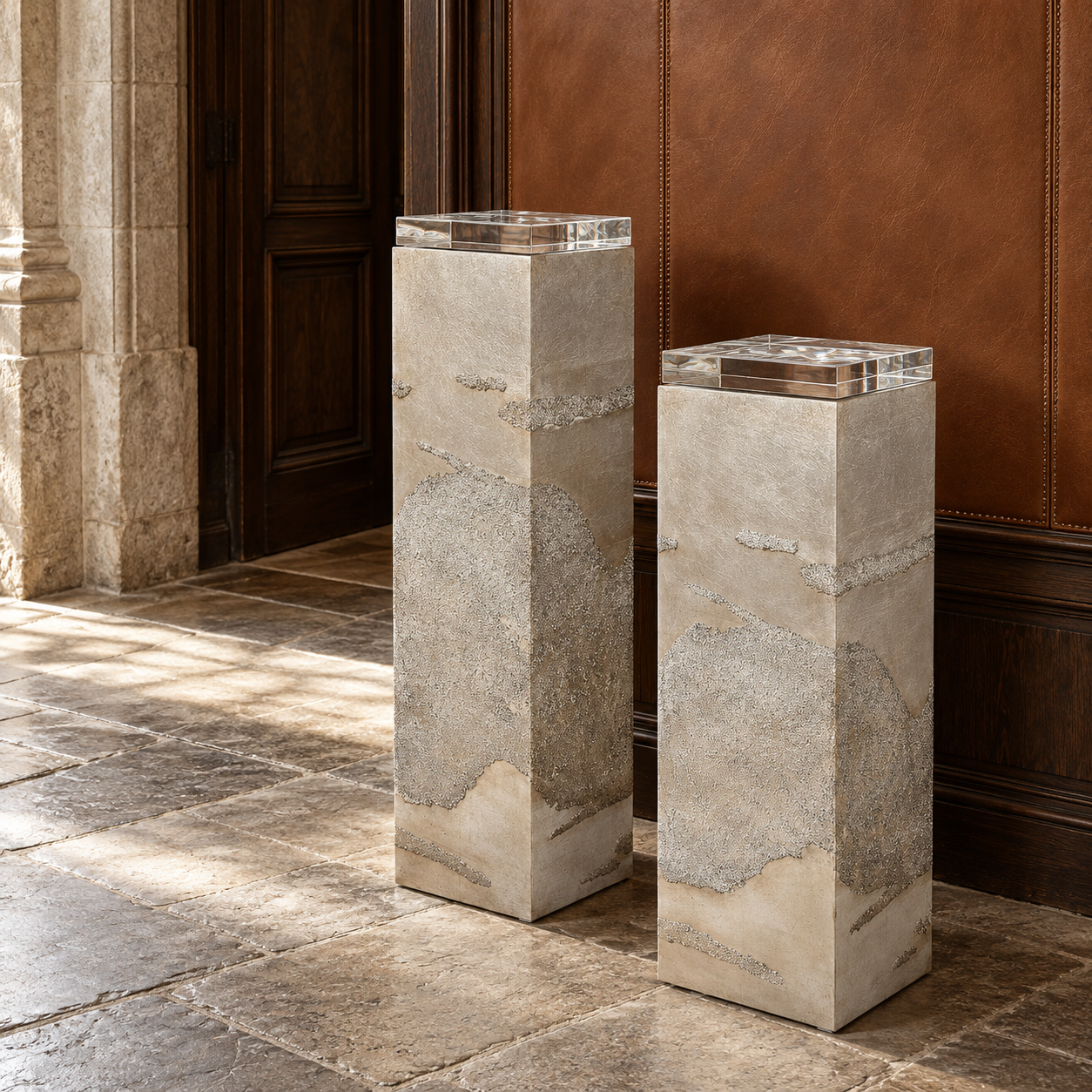 Pedestals
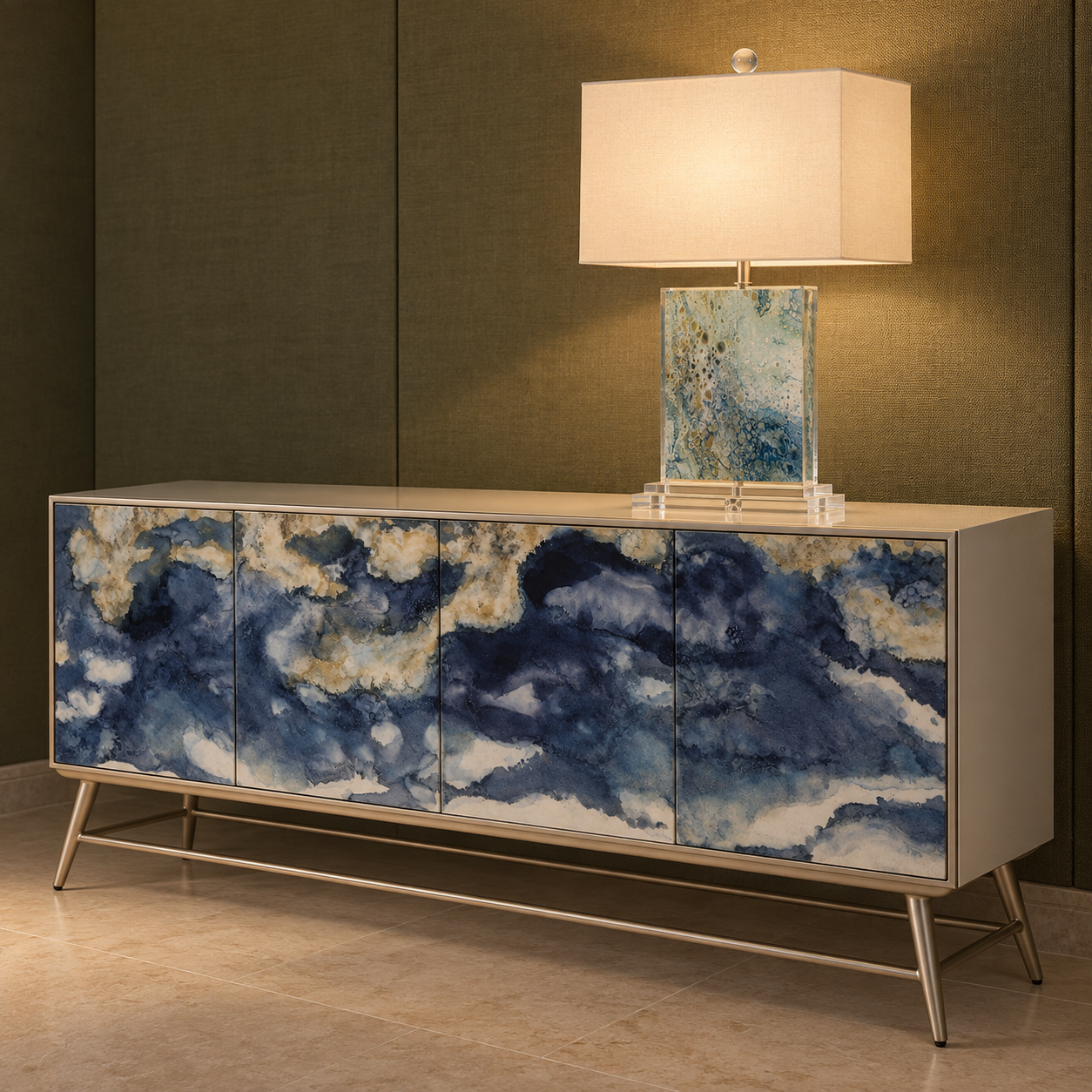 Table lamps
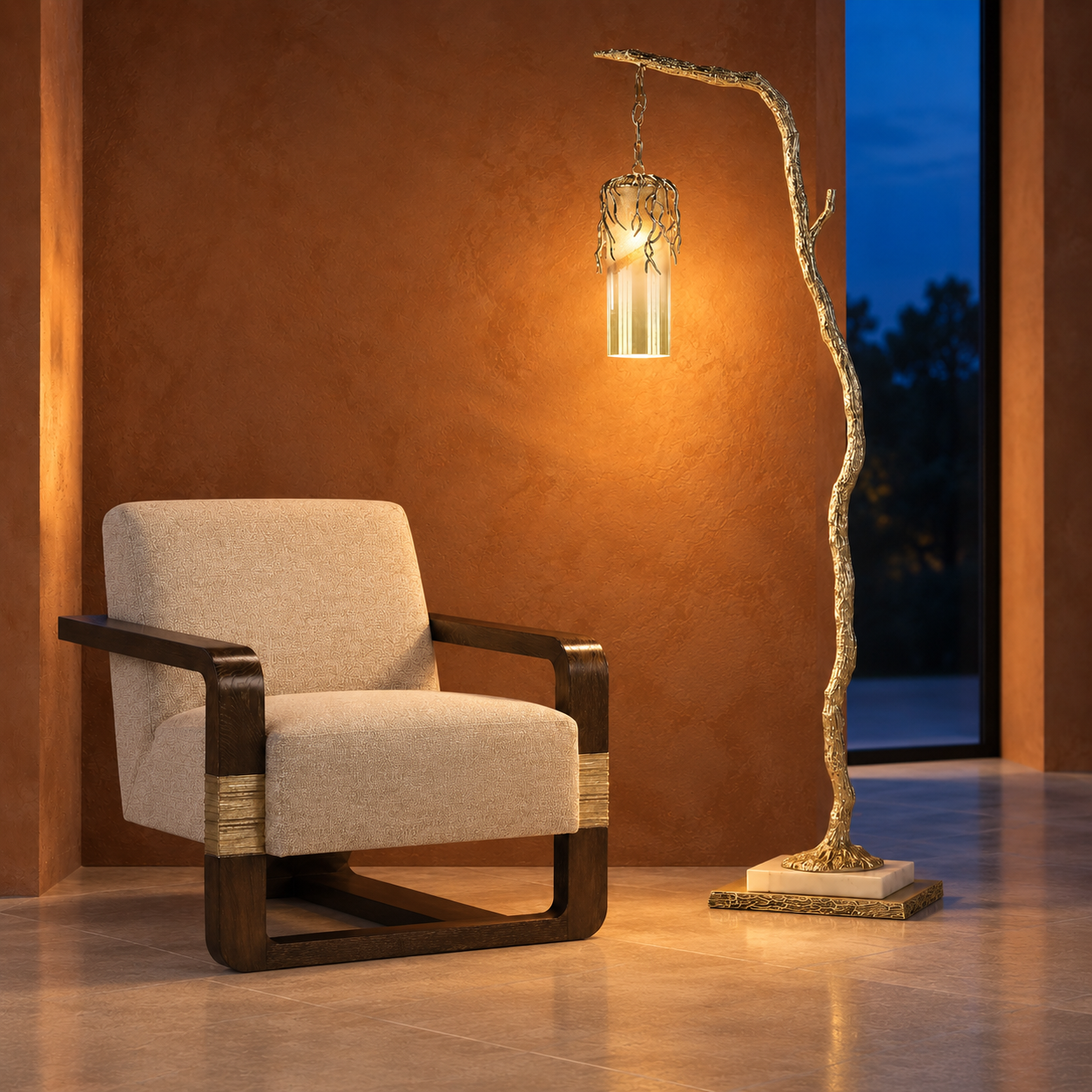 Floor lamps
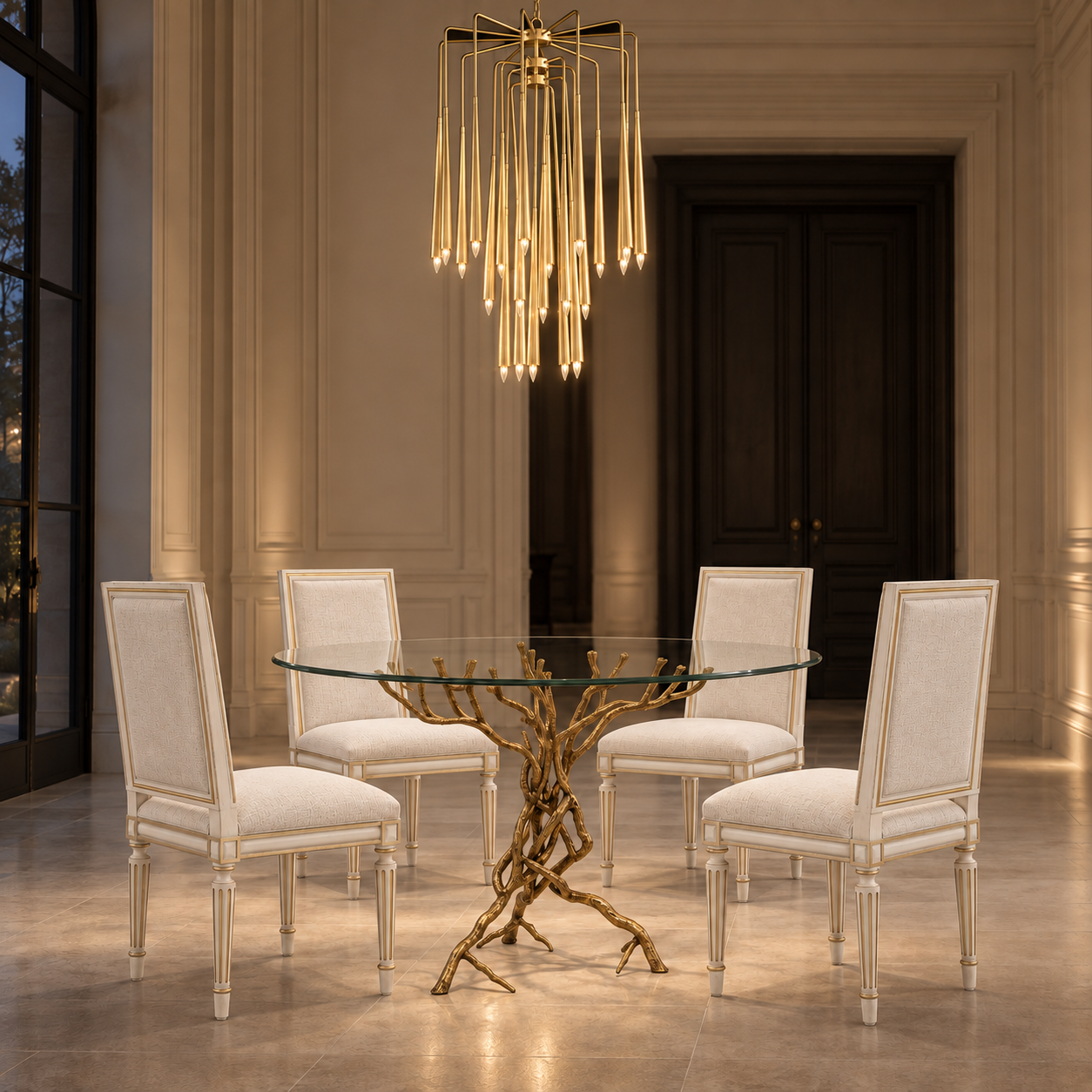 Chandeliers
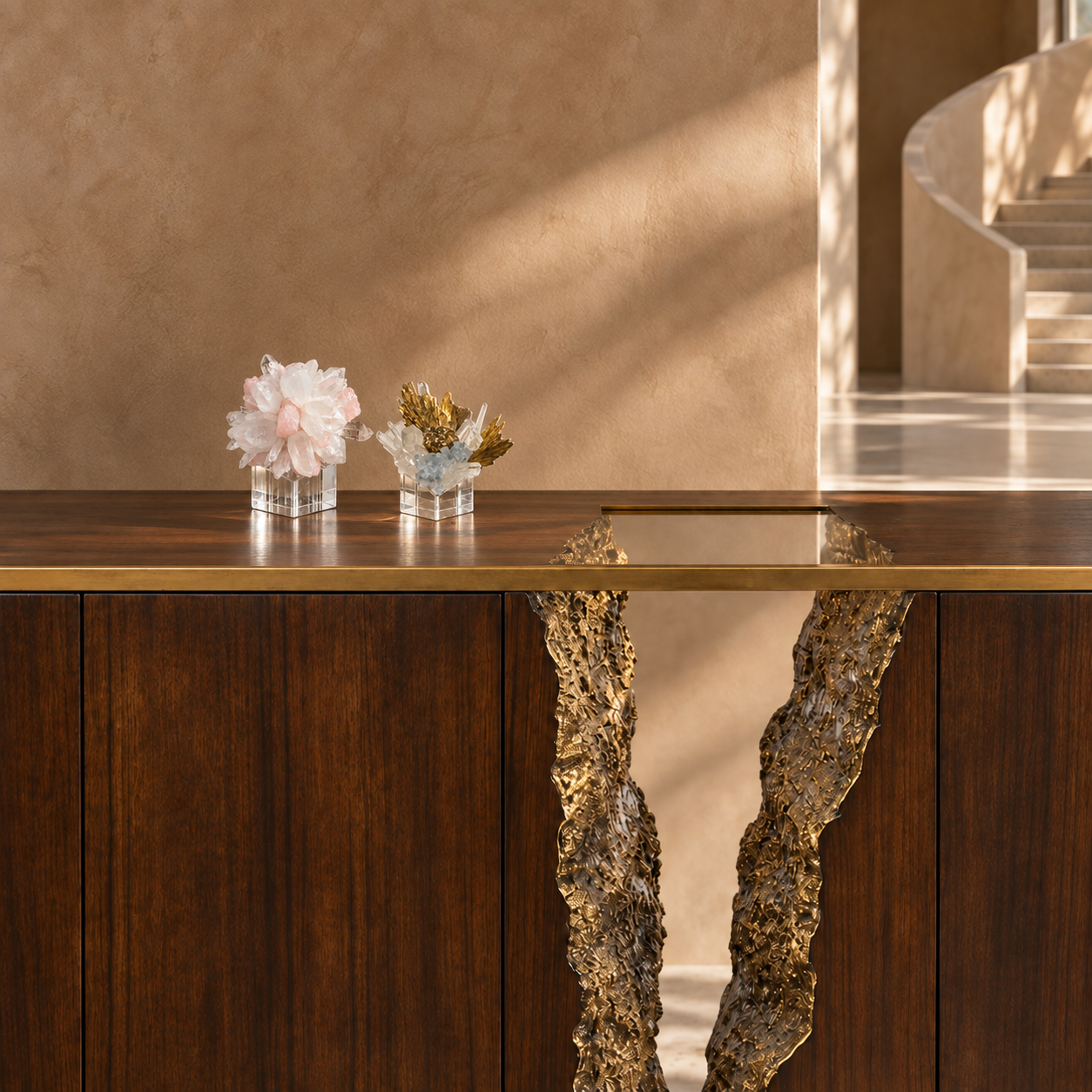 Sculpture
 Vessels
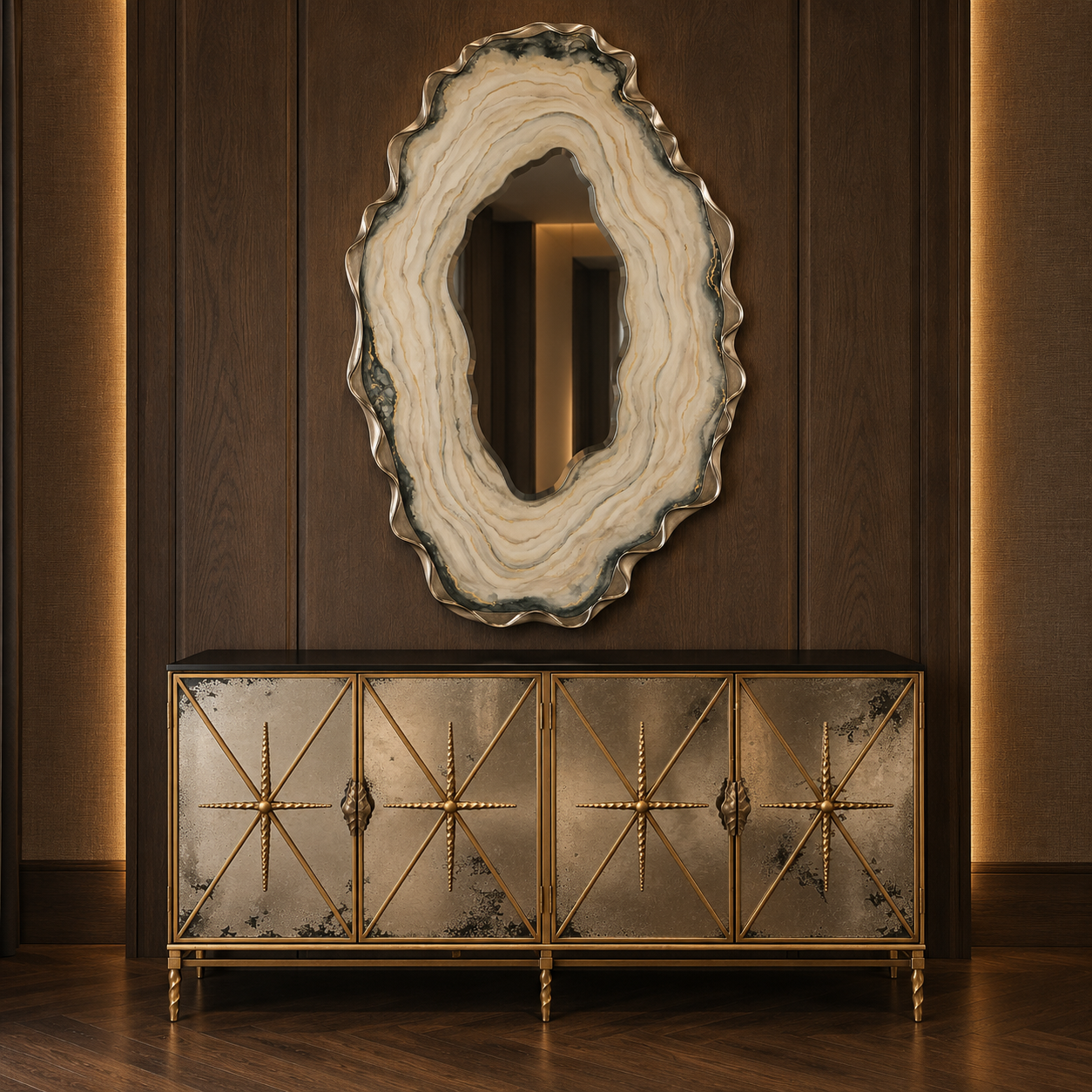 Mirrors
 Wall art
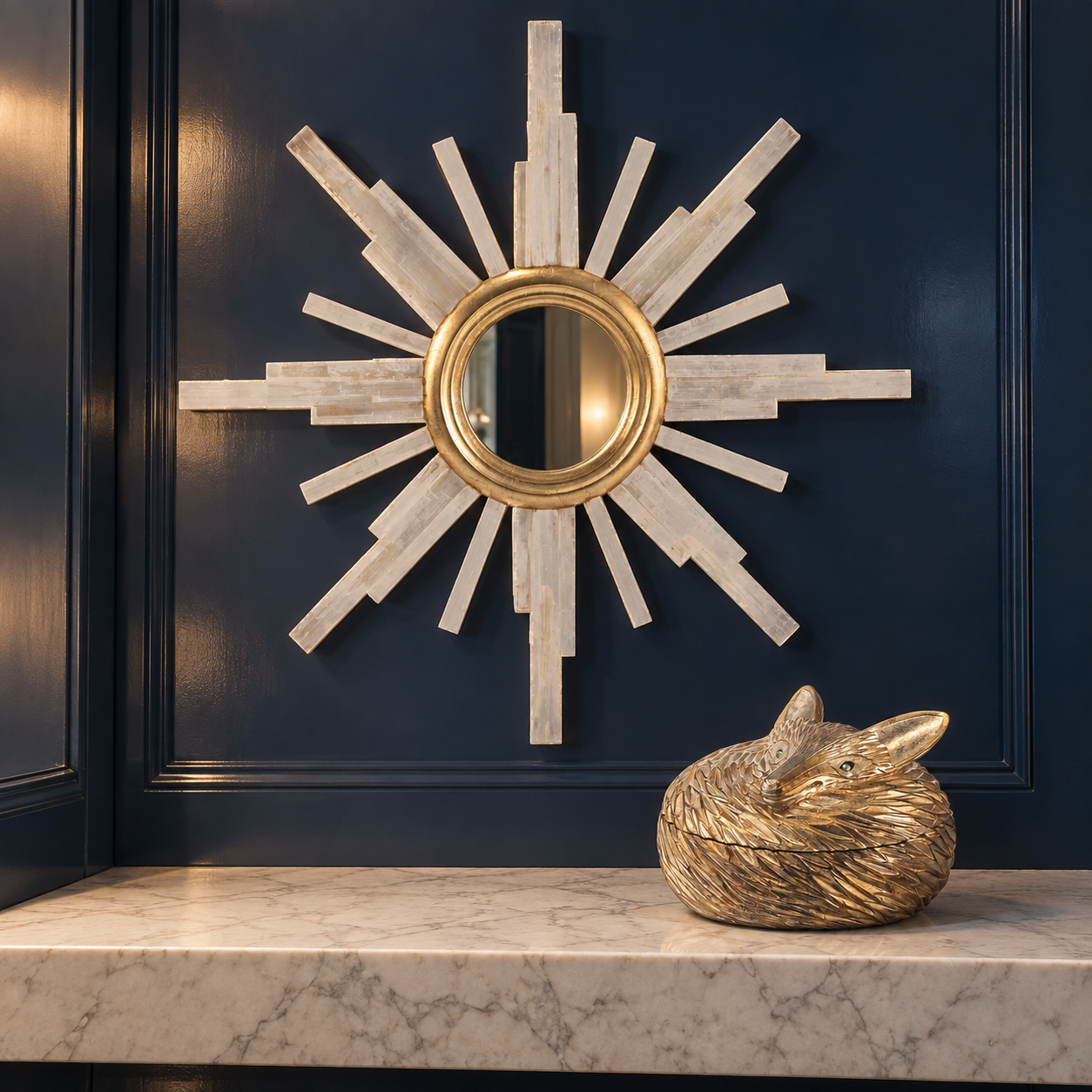 Decorative objects
 Botanicals
 Collections
 Commercial & Hospitality
 Studios & Makers
 Journal
 About
About Contact
 Made to Order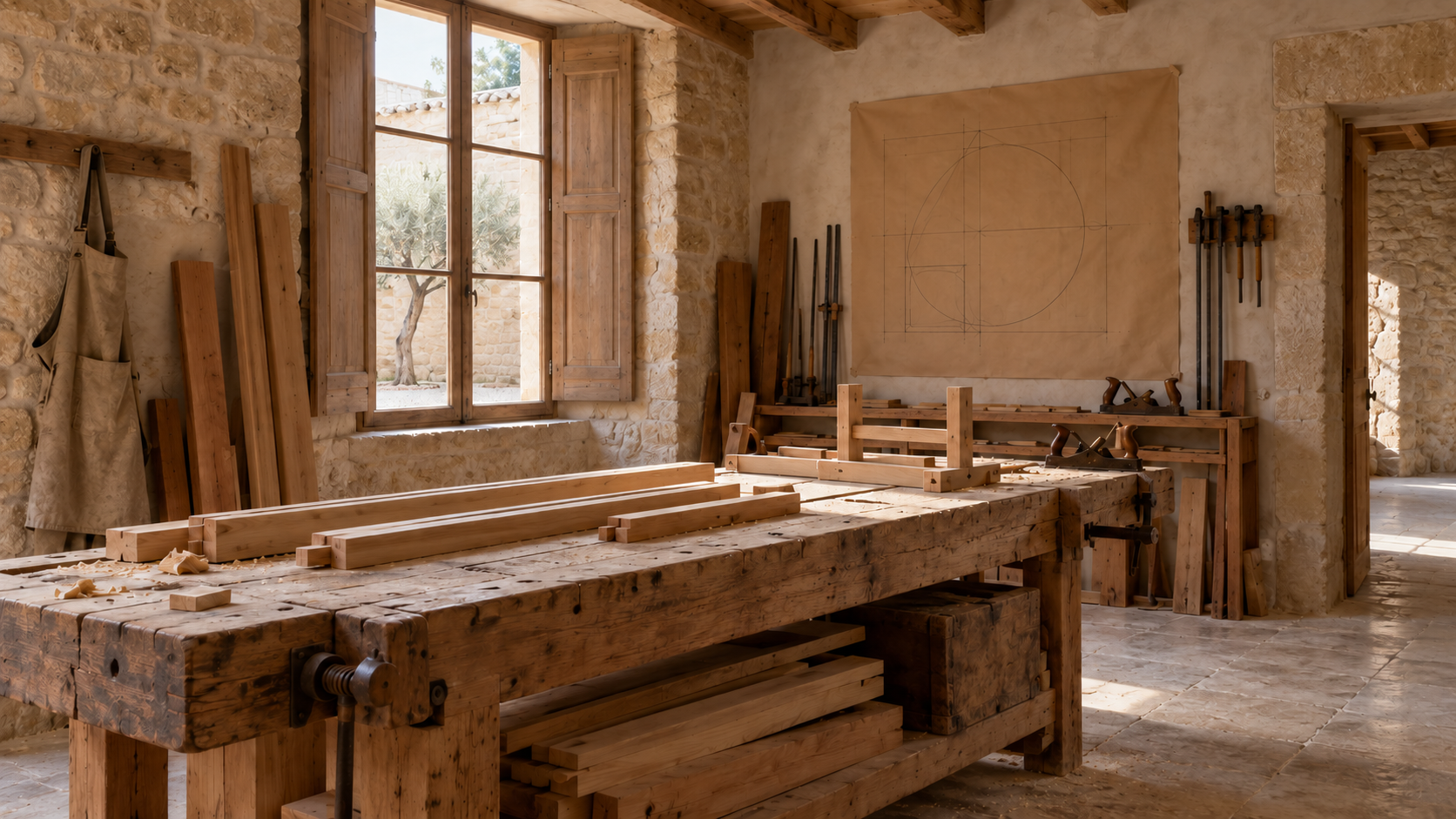
Proportion comes first
A finished piece conceals much of its making. The components meet, the surface settles and the tools disappear. What remains is a sequence of decisions brought into one form.
Before detail comes proportion. A drawing establishes relationships, but full-size studies and prototypes can reveal questions that a small image cannot answer.
For seating, comfort must be assessed at the scale of the body. For case furniture, doors, drawers and clearances need to work together. A prototype can test these relationships; it does not replace appropriate structural assessment or testing.
The purpose is to resolve the piece before an expensive surface makes alteration difficult.
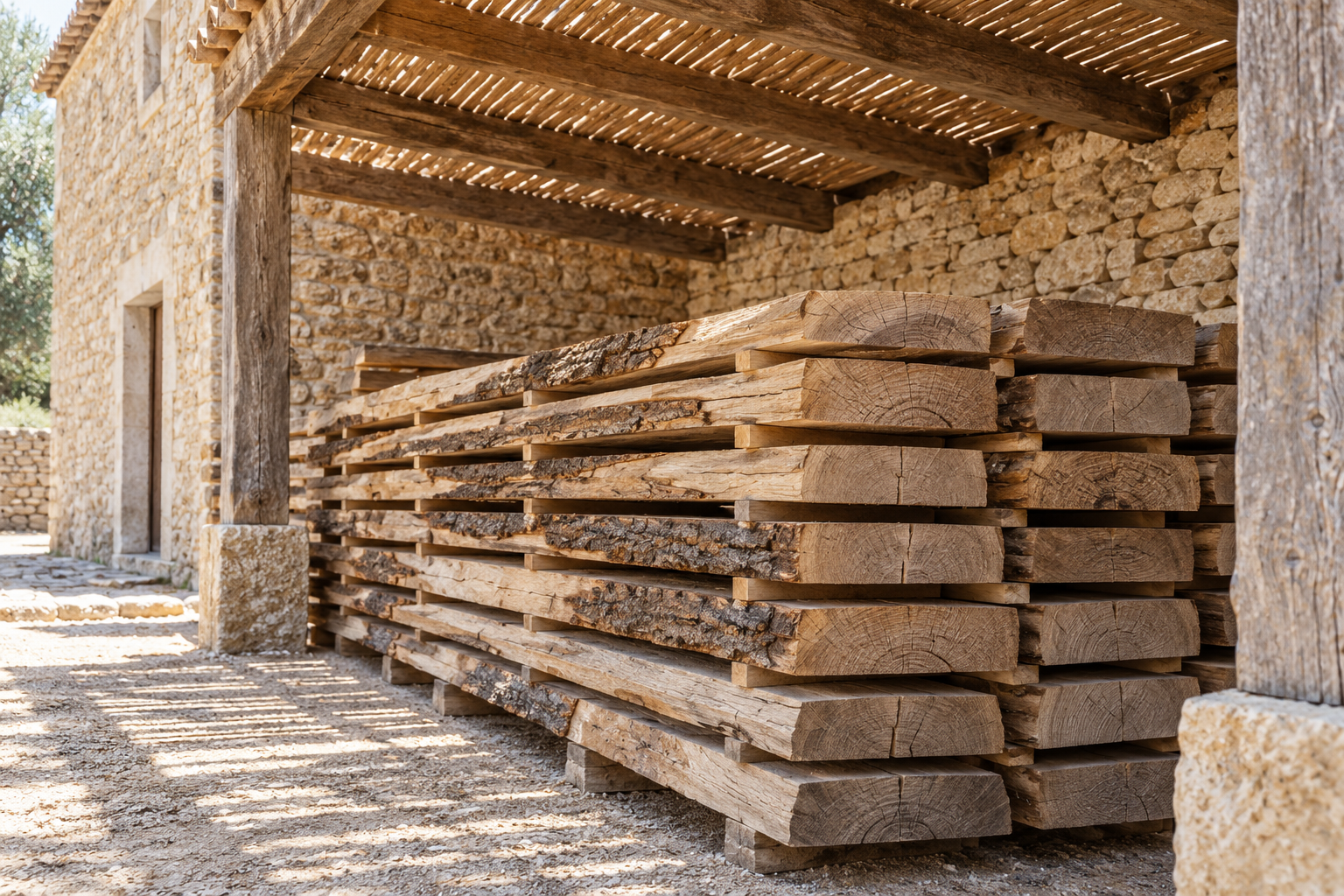
Timber is prepared for its task
Preparation involves more than choosing an attractive board. Moisture condition, grain direction and the intended environment influence how a component will behave.3
Timber continues to respond to its surroundings after it leaves a workshop. Sound construction allows for that movement rather than assuming it has ended.
Grain also belongs to the design. Its direction can support a curve, carry the eye across a panel or interrupt it. Veneer selection introduces further choices about pattern and continuity.
Time spent here is largely invisible in the finished photograph. Its consequences are not.
A joint must fit its purpose
Joinery connects components and transfers loads. The connection needs to suit the material, the stresses and the form.
Traditional mortise-and-tenon and dovetail joints are examples, rather than universal requirements. Their effectiveness depends on their execution and the wider construction. The V&A's demonstrations make their interlocking geometry visible.16
A dry assembly can reveal fit and alignment before permanent assembly. The preparation also helps a maker decide how parts will be supported and clamped.
The finished connection should do its work without asking decorative detail to conceal a fault.
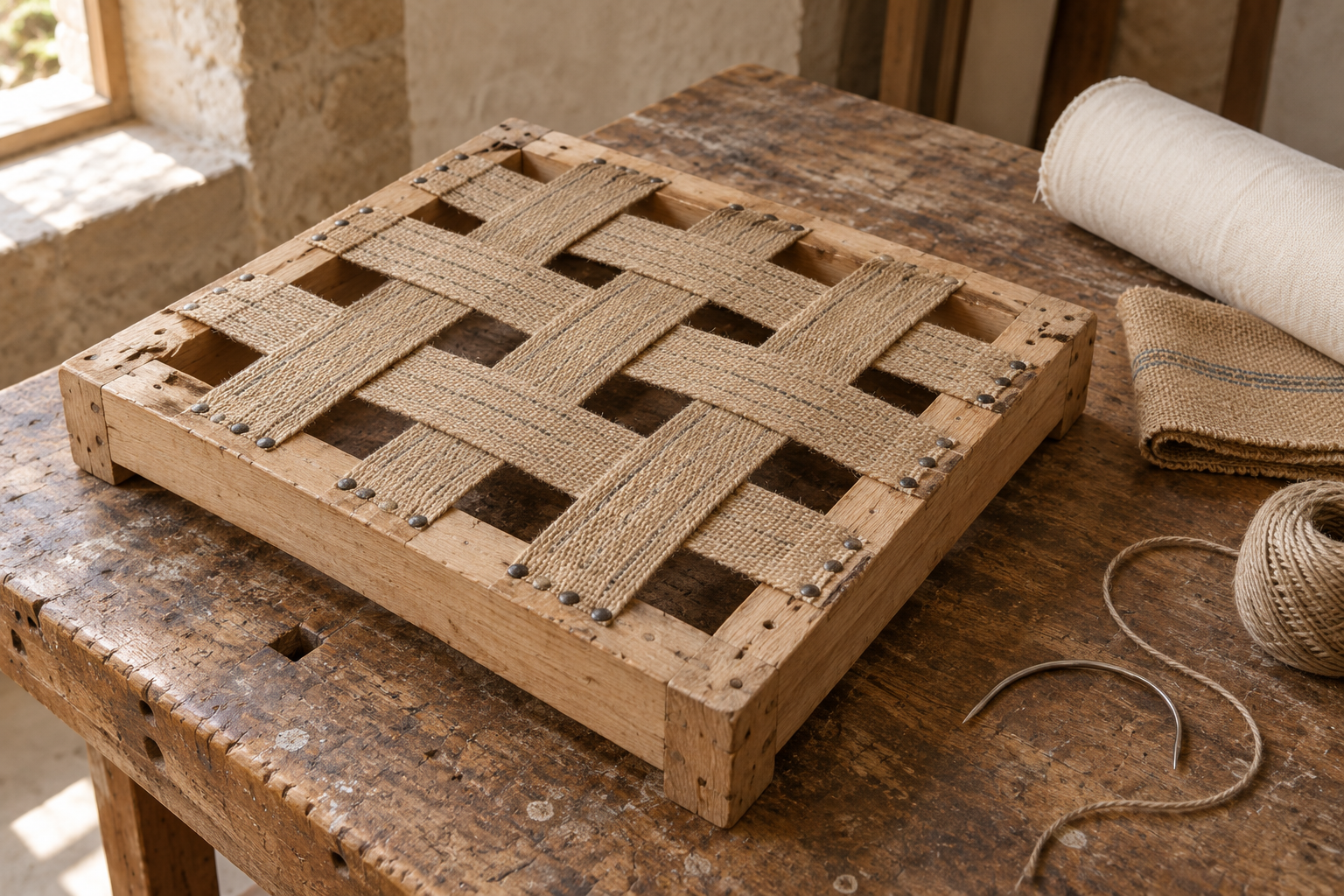
Under the cover
Upholstery combines support, cushioning and a covering. Depending on the construction, those layers may use webbing, springs, foam, fibre or other stuffing materials.
Different methods produce different forms of support. A traditional method is not, by itself, a guarantee of comfort or service life.
Ask what is inside, how the cover is attached and what future upholstery work would involve. A photograph of the fabric cannot answer these questions.
The surface is prepared
Finishing begins with the condition of the substrate. Tool marks, uneven preparation and contamination can affect what follows. The preparation must suit the timber and the intended coating.8
Some finishes leave pores visible. Others use filling and further preparation to create a level surface. There is no single sequence appropriate to every finish.
Hand-applied and hand-rubbed describe work, but they need context. Ask which operation was completed by hand, what coating was used and what appearance was intended.
The answer should name a process rather than rely on the word craft to carry it.
Casting and finishing
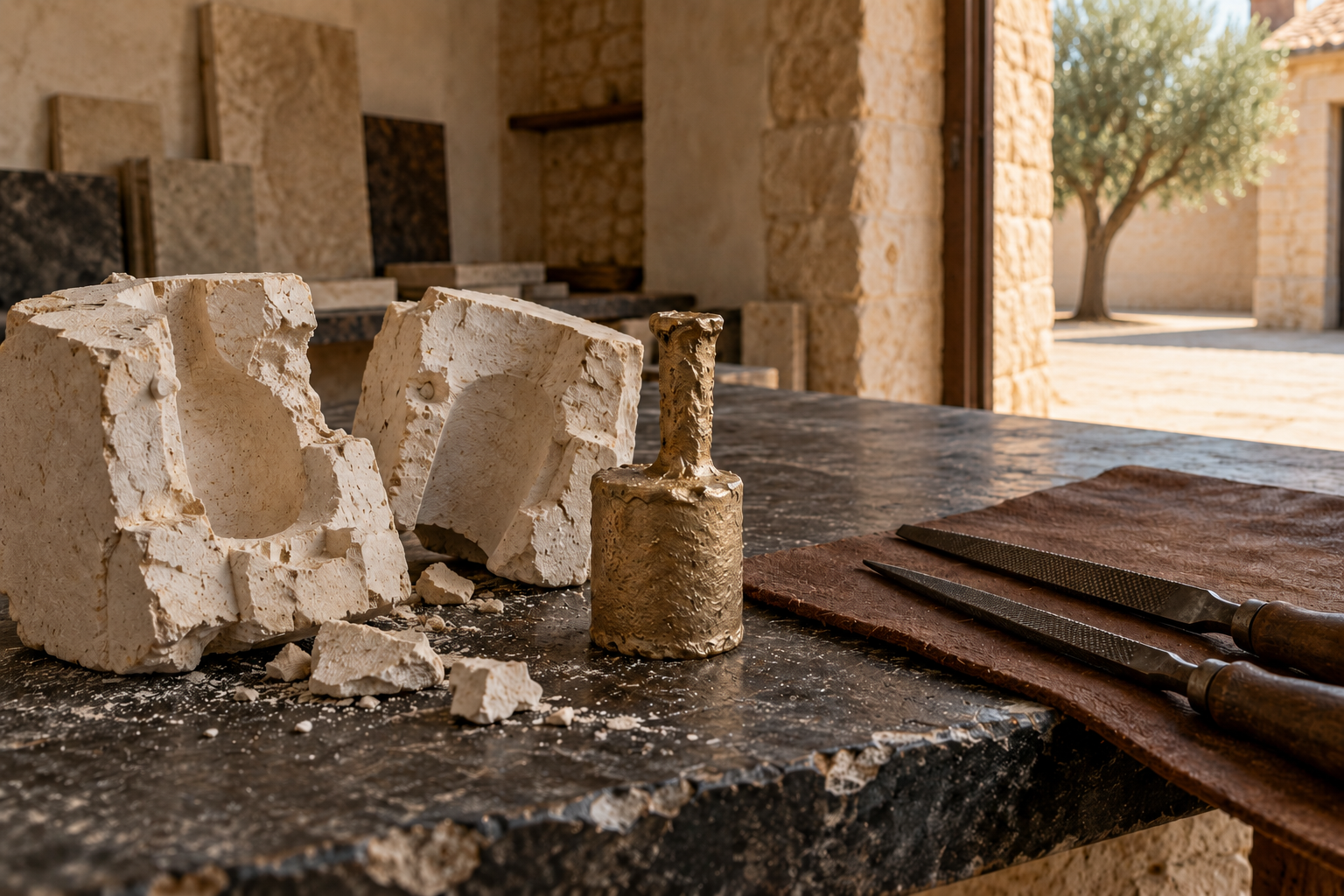
Lost-wax casting uses a wax model to create a cavity for molten metal. The mould is broken to release the cast object. That expendable mould is part of the process; it does not necessarily make the design a unique edition. Other wax models can reproduce a design.17
The cast surface may then require further work before it is ready. Casting and surface finishing are separate stages, and both deserve a precise description.
The same principle applies to gilding. Preparation beneath the leaf contributes to the final result as much as the leaf itself.13
Hand and machine
Handmade is not a complete technical specification. A workshop may combine machines, jigs, hand assembly and hand finishing.
The V&A documents furniture that brings digital production together with traditional and manual processes. The relevant question is what each stage contributes.16
A machine can establish repeatable dimensions. A maker can assess a surface, adjust a fit or choose the next operation. Care is expressed through those decisions.
What perfection should mean
Natural grain varies. A hand-applied decorative surface may vary too. Neither explains an unstable base, a loose connection or a drawer that does not operate correctly.
Variation should belong to the design and the material. Function should be judged against the intended use.
Final inspection brings the piece together: alignment, operation, surface condition and the details that will meet the hand. An account of making should be able to describe those checks without promising a flawless lifetime.
The work behind a piece matters when it supports the life ahead of it.
What to ask the studio
- Which stages of making are completed by hand?
- How is the construction assessed for its intended use?
- What variation is expected in the material or finish?
- How is the finished piece inspected?
- What information is retained for future care or repair?
Sources
- USDA Forest Products Laboratory, Wood Handbook
- Christopher G. Hunt, Finishing wood, Wood Handbook chapter 16, USDA Forest Products Laboratory (2021)
- Victoria and Albert Museum, How was it made? Water gilding
- Victoria and Albert Museum, Furniture: how was it made?
- Victoria and Albert Museum, Metalworking techniques