

 Earthen Retreat
 Sculptural Silence
 Modern Grand Tour
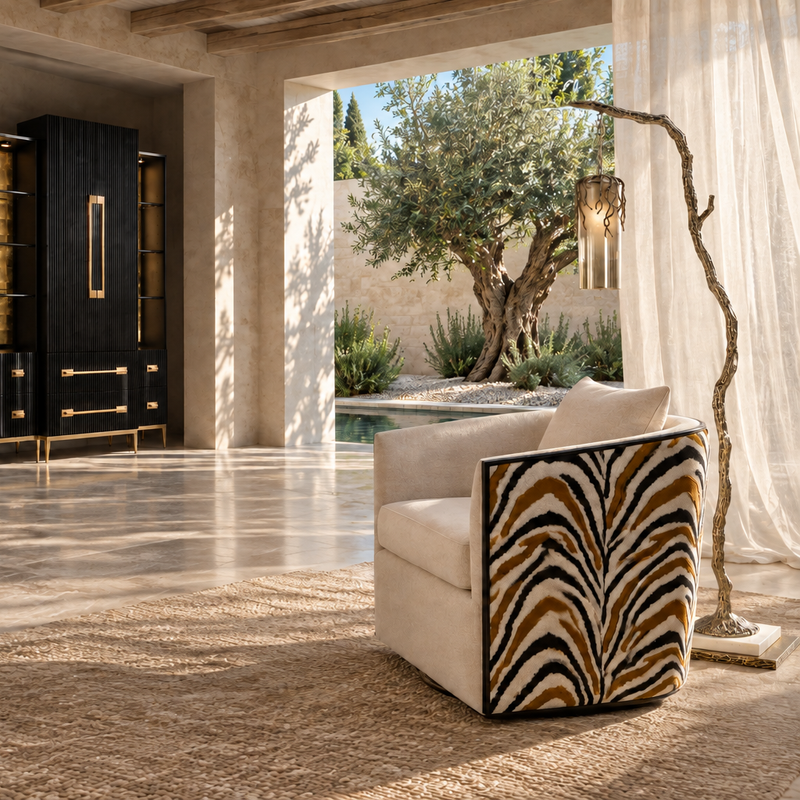 Sunlit Stillness
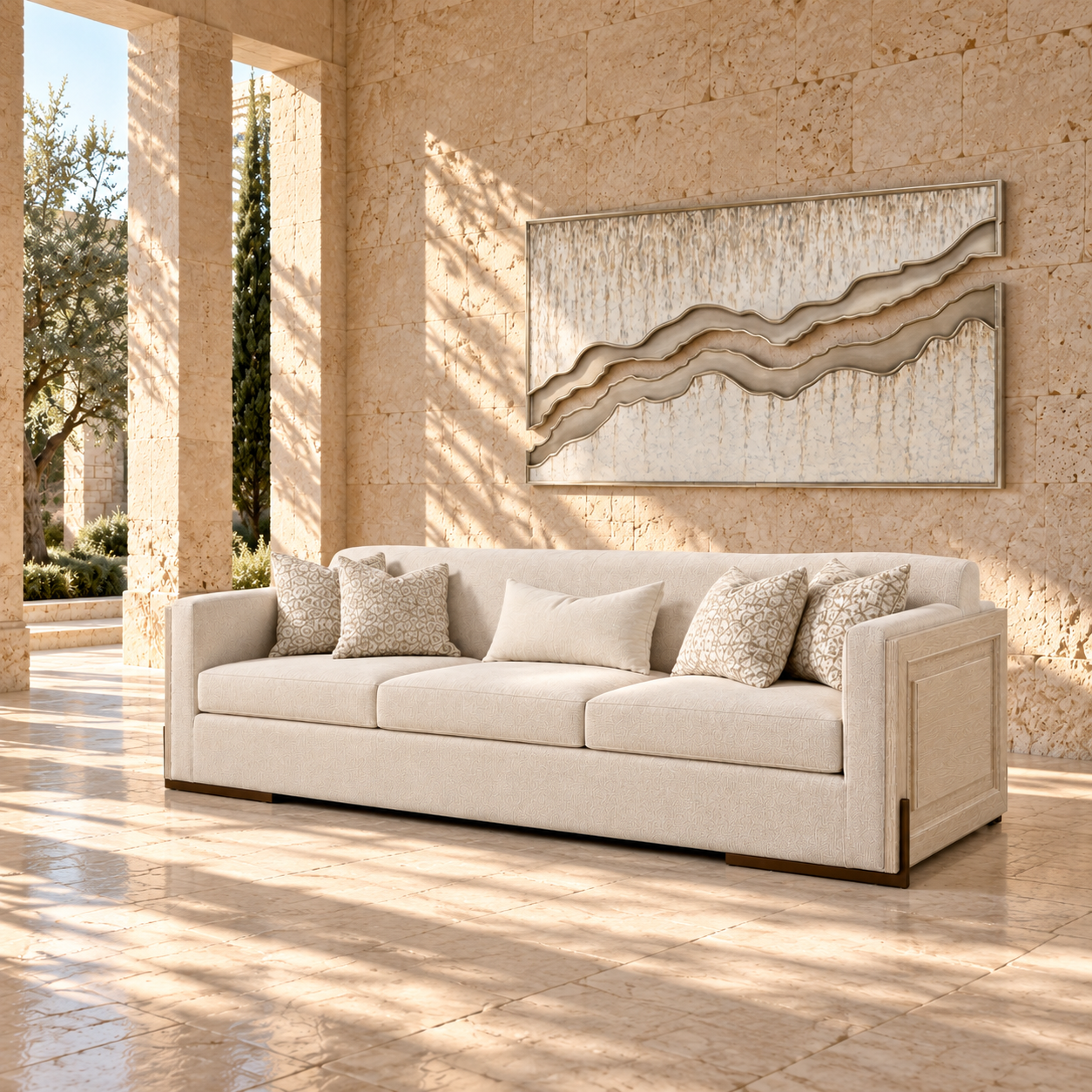 Sofas
Sofas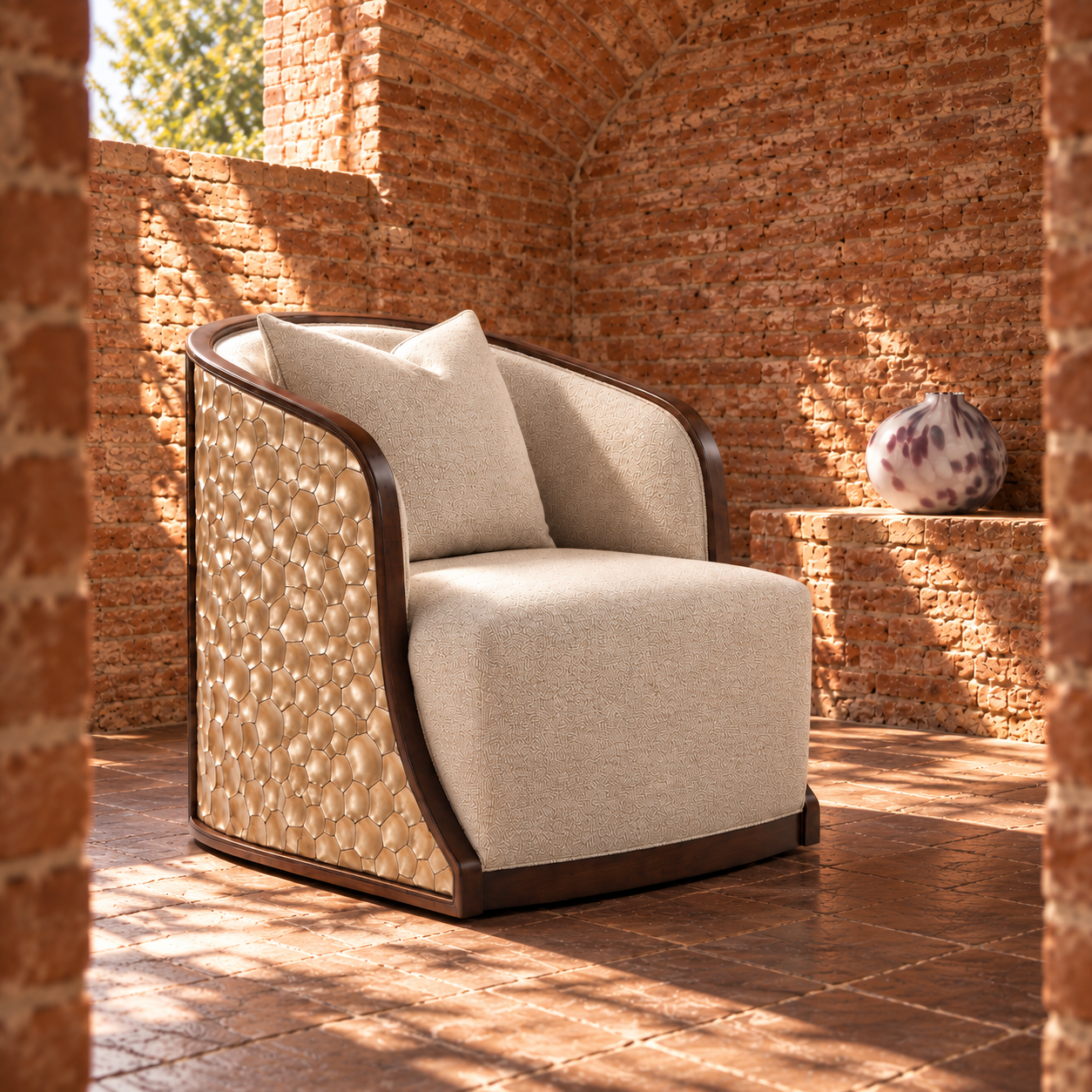 Armchairs
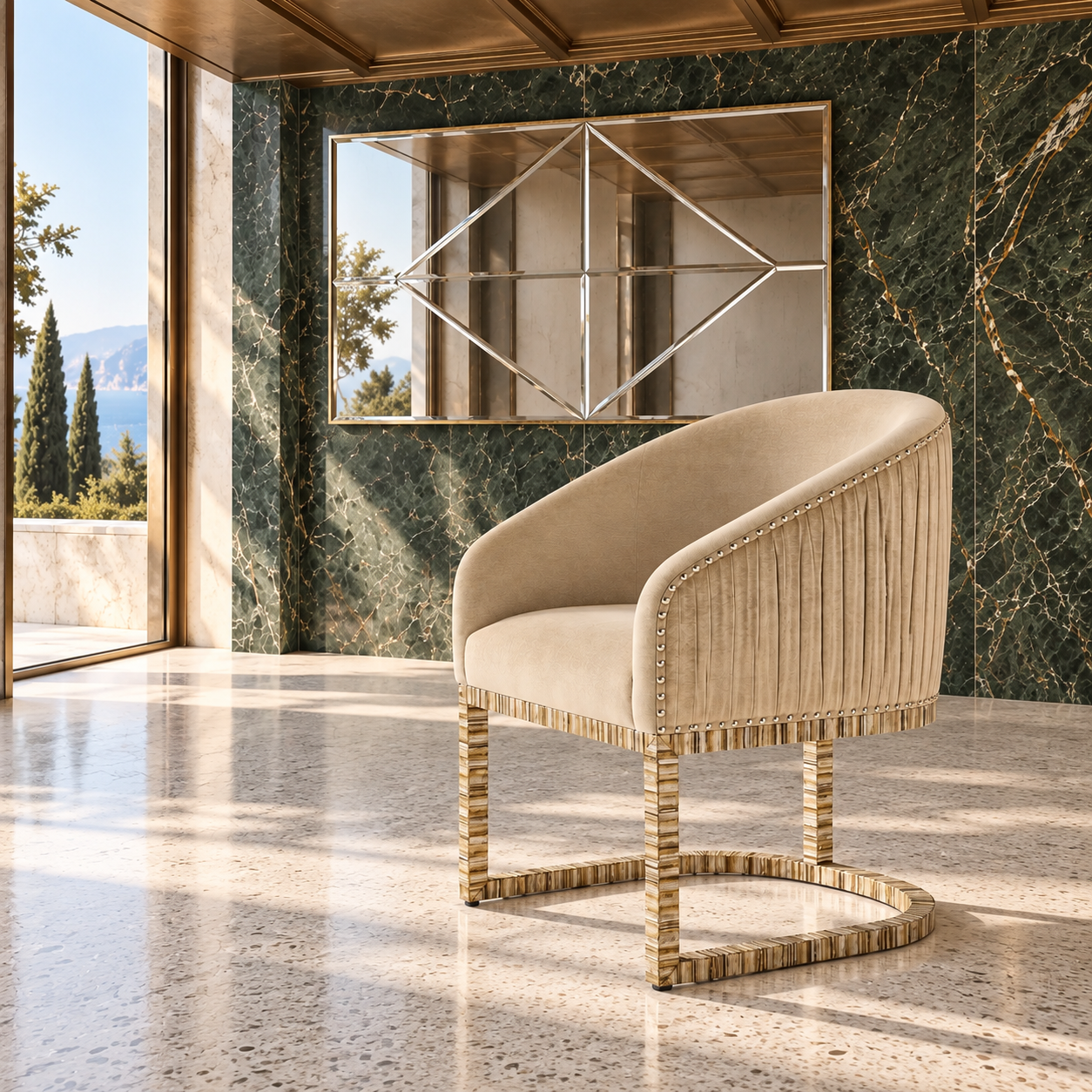 Dining chairs
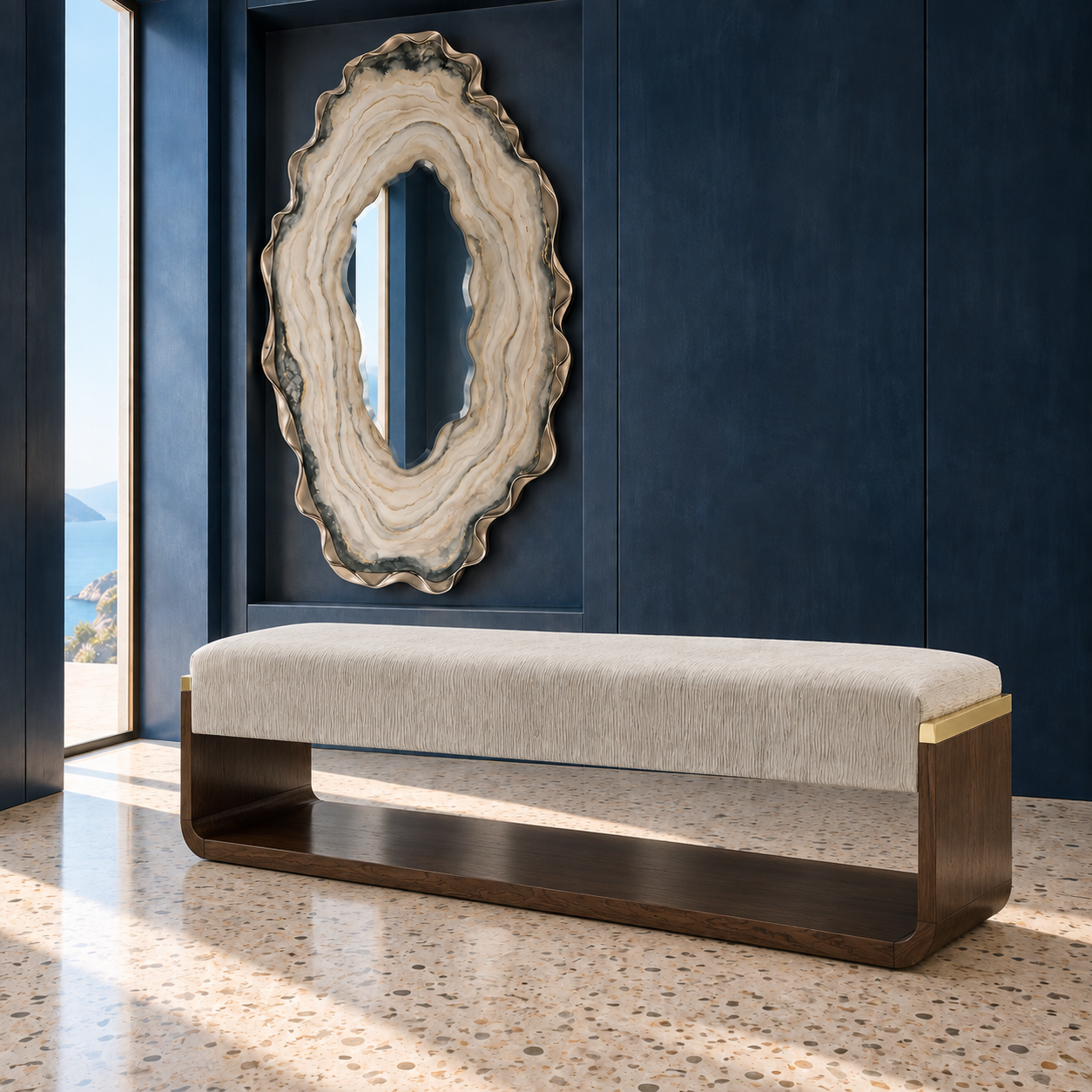 Stools & benches
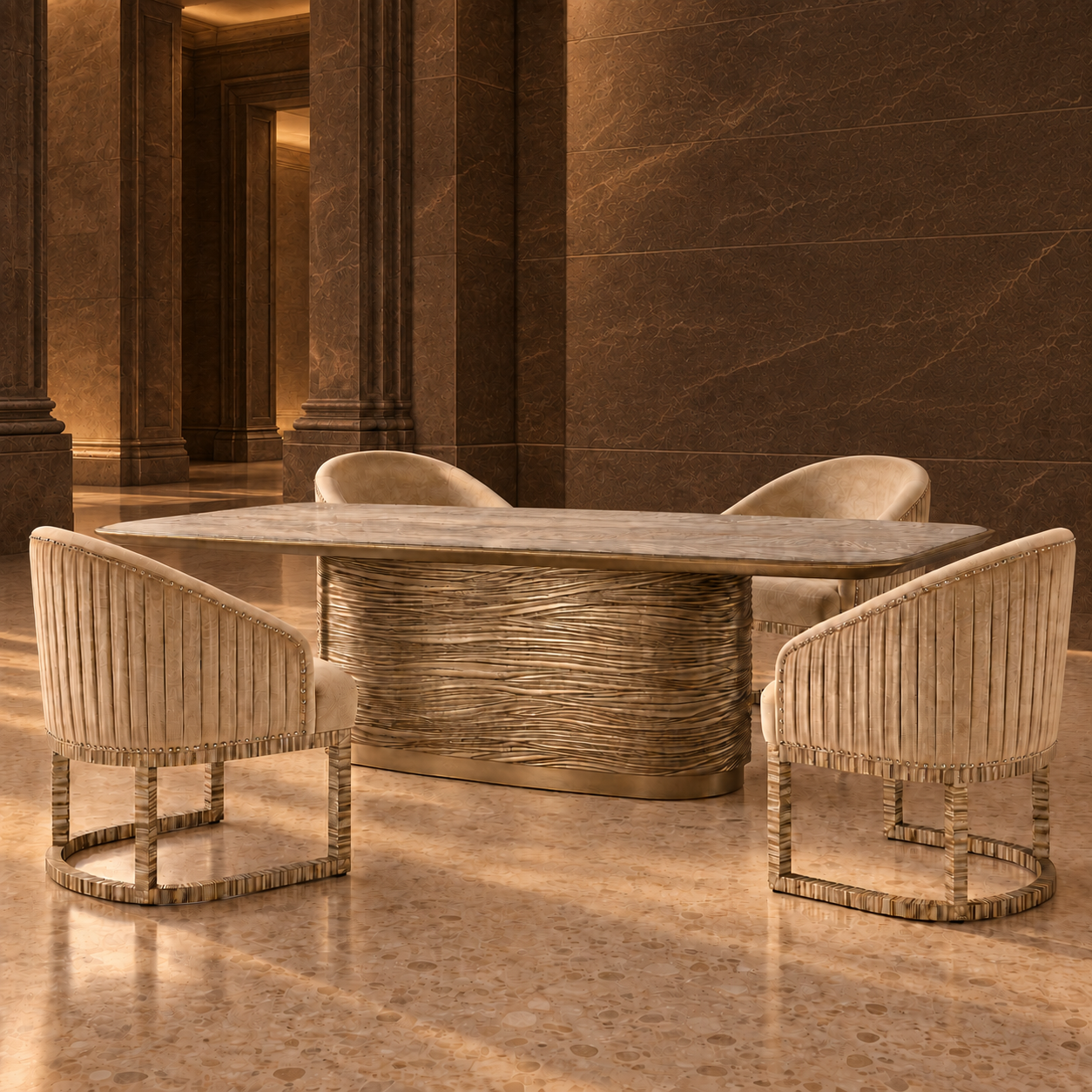 Dining tables
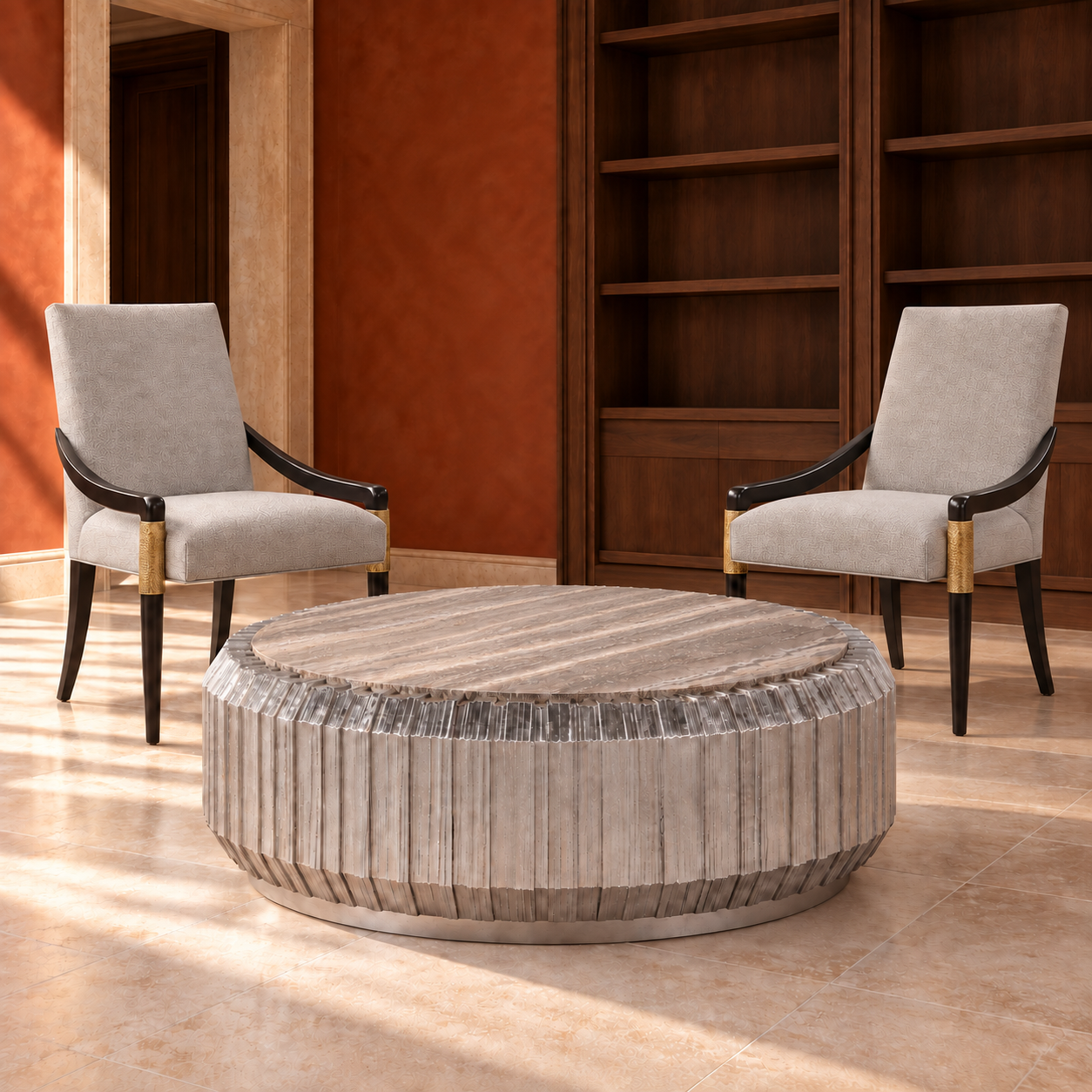 Coffee tables
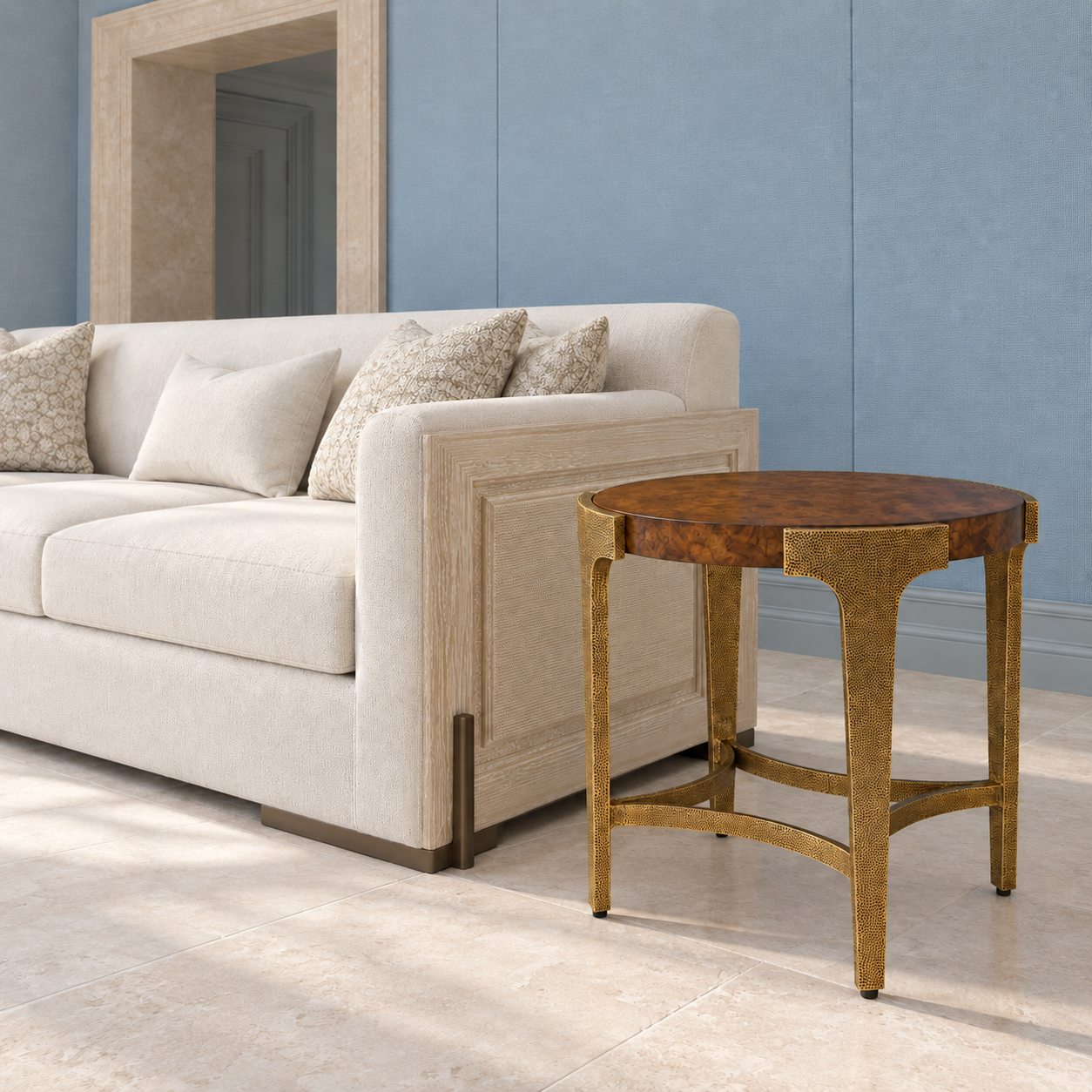 Side tables
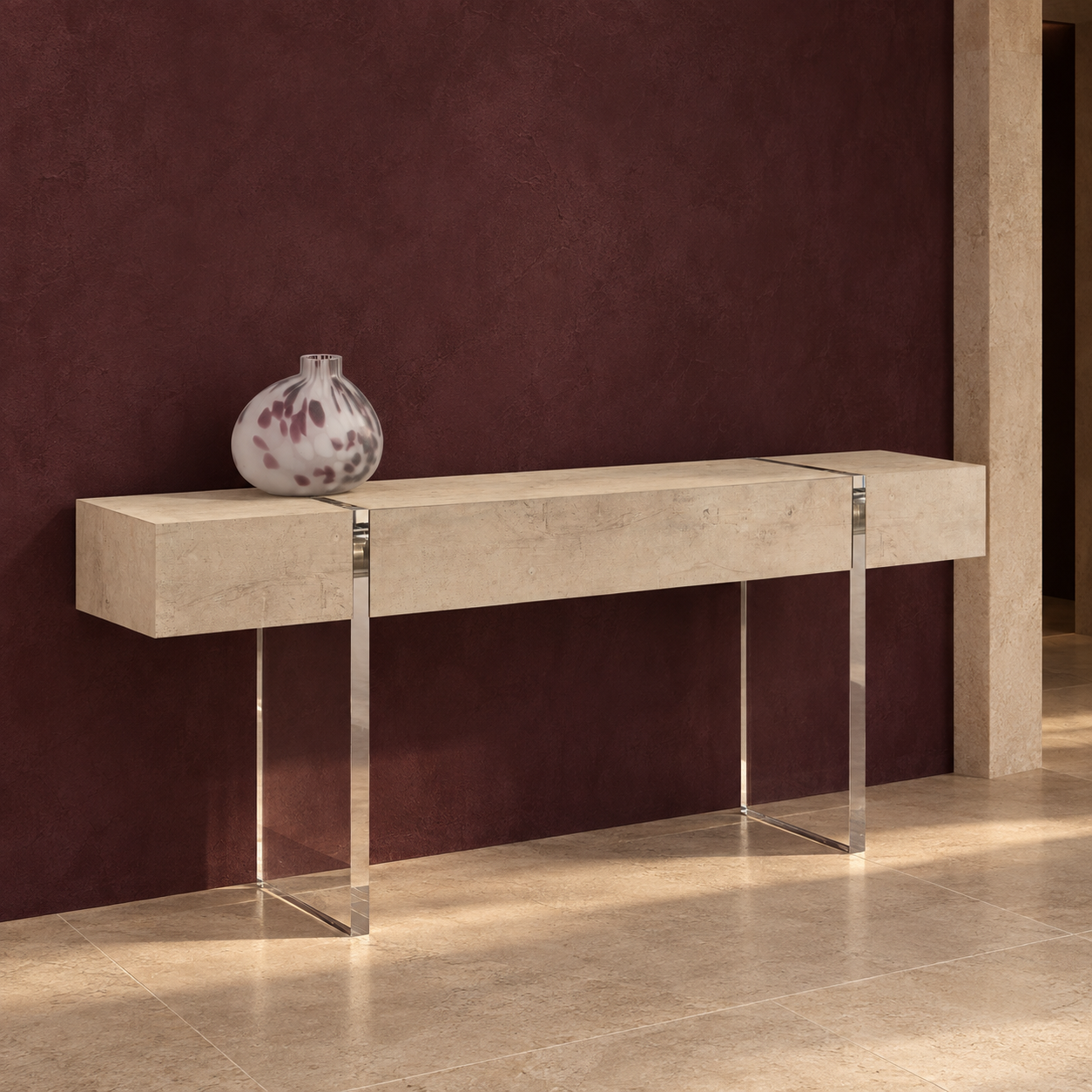 Consoles
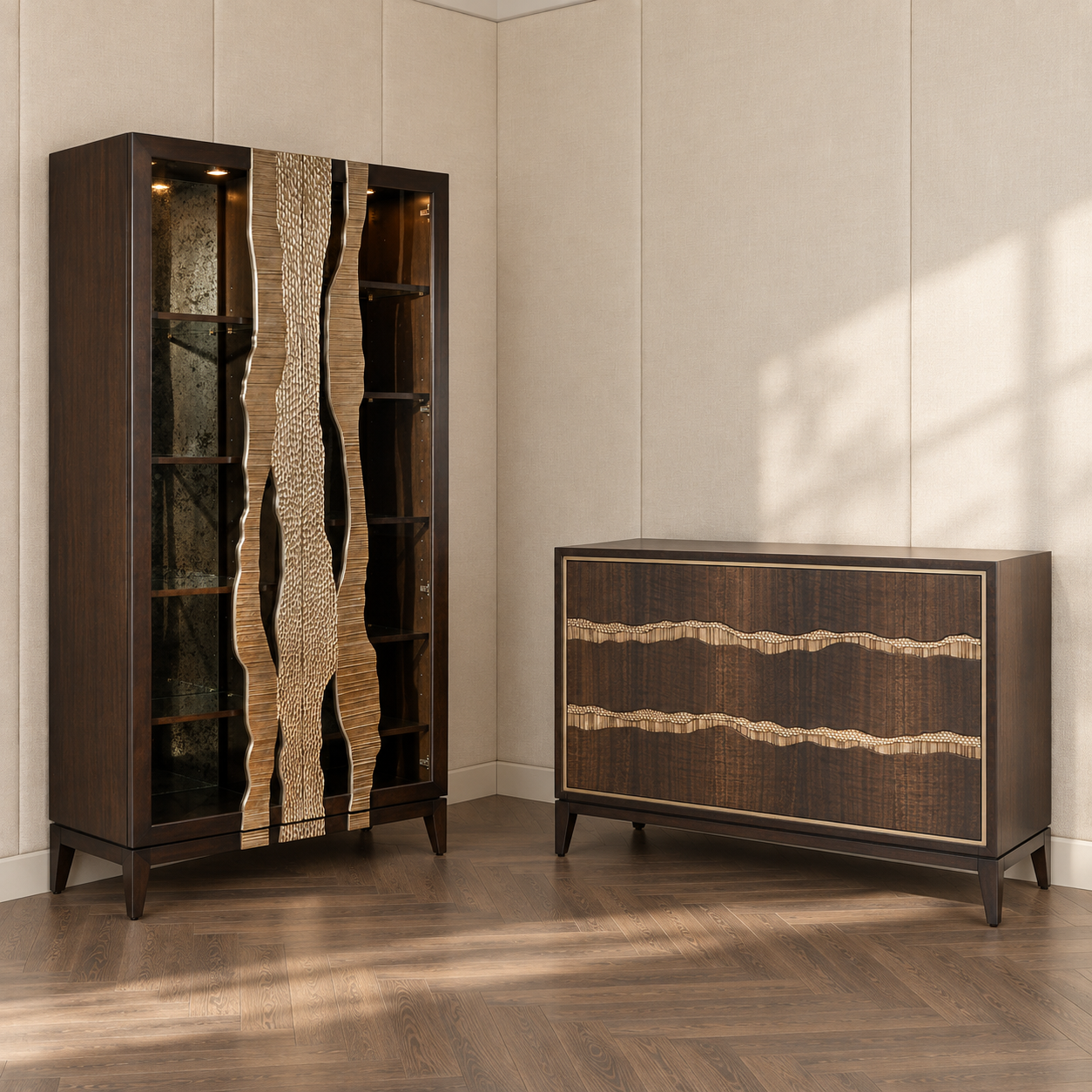 Cabinets
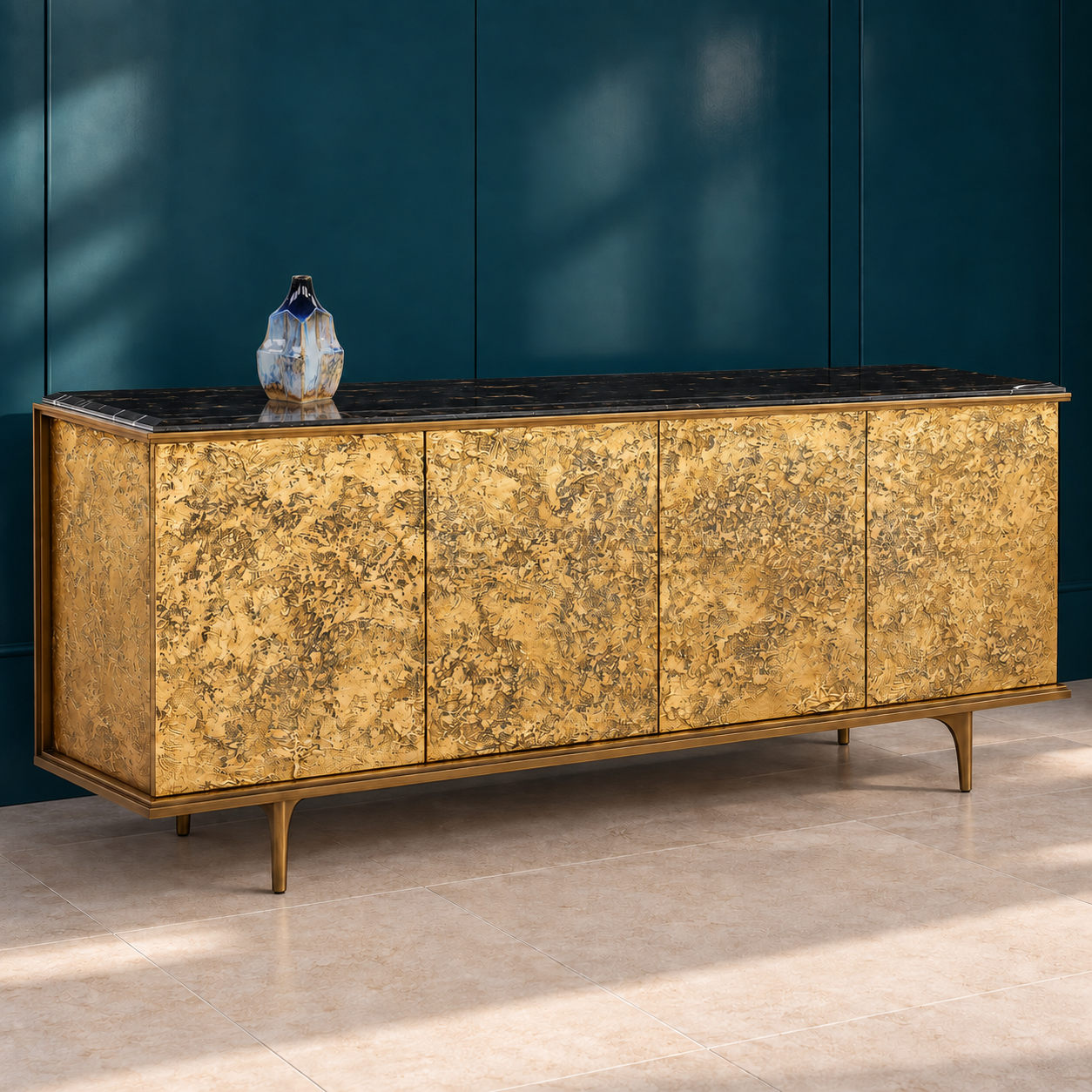 Sideboards
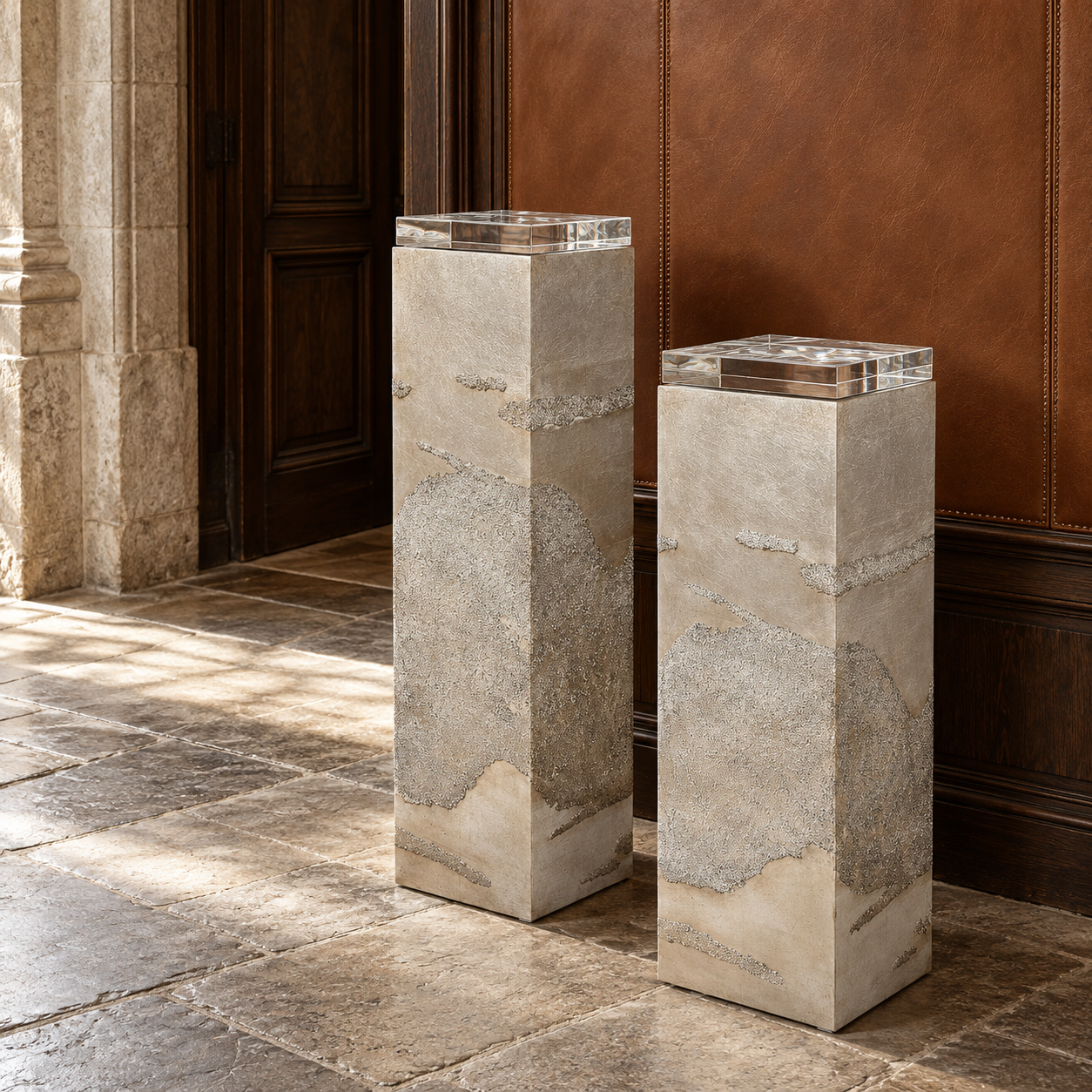 Pedestals
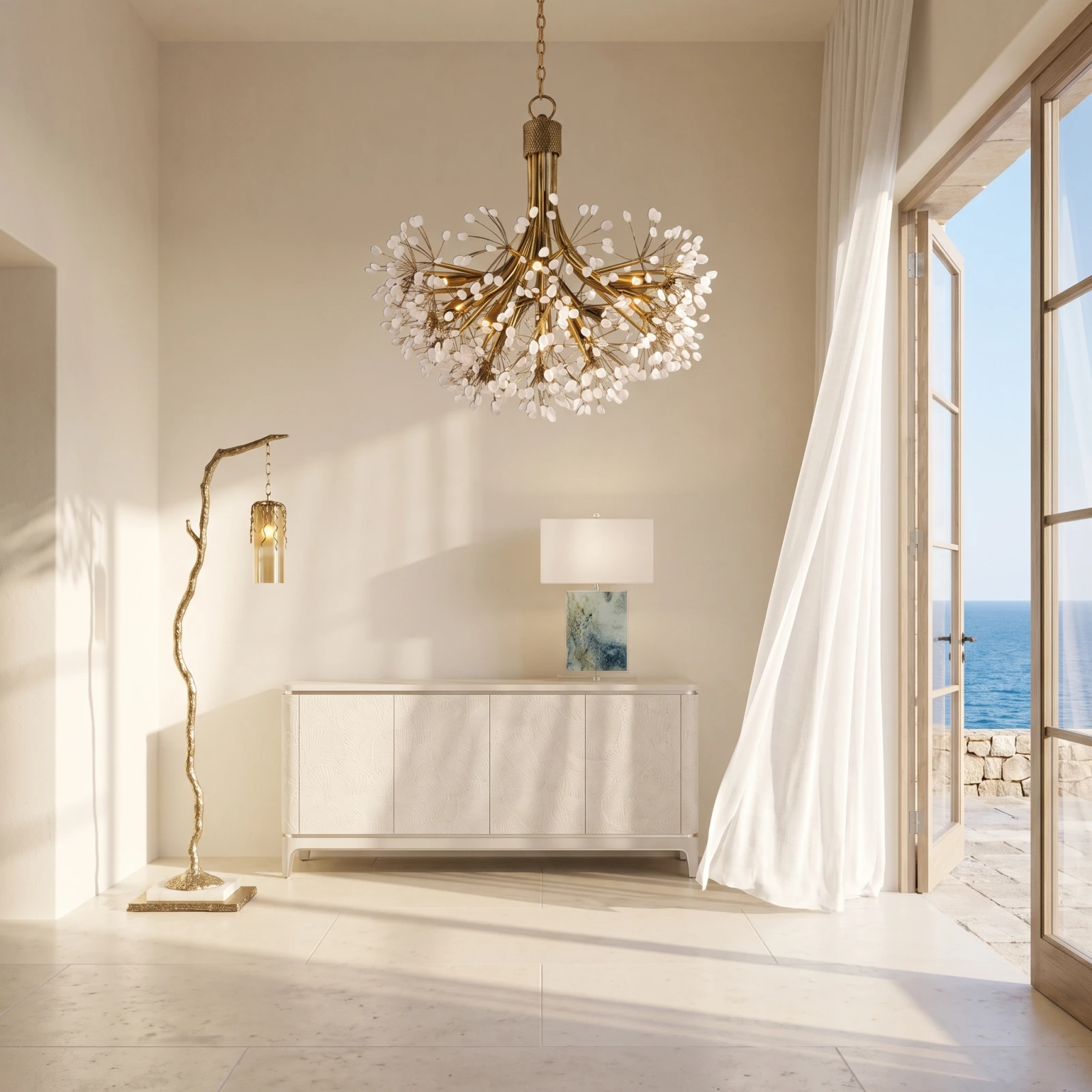 Table lamps
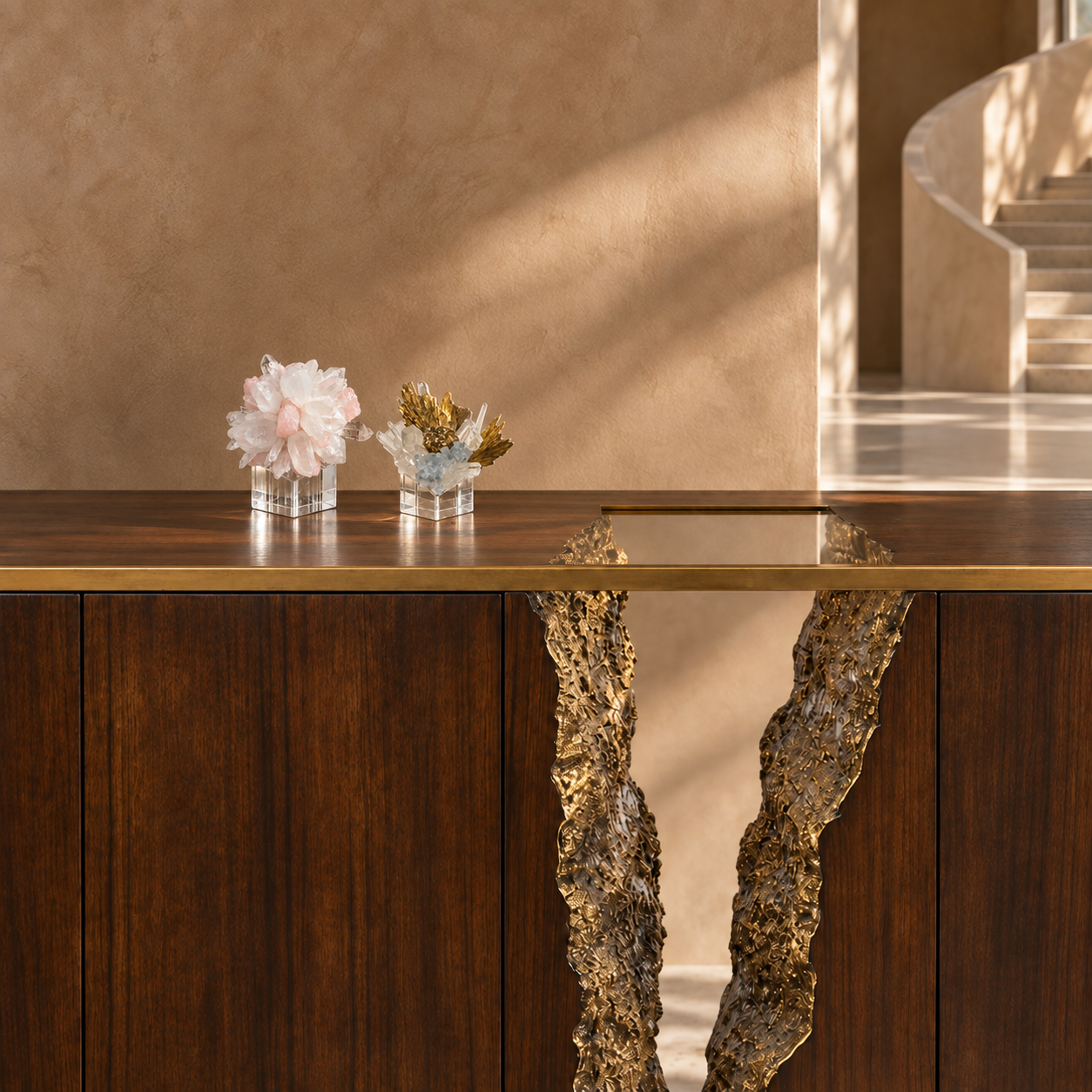 Sculpture
 Vessels
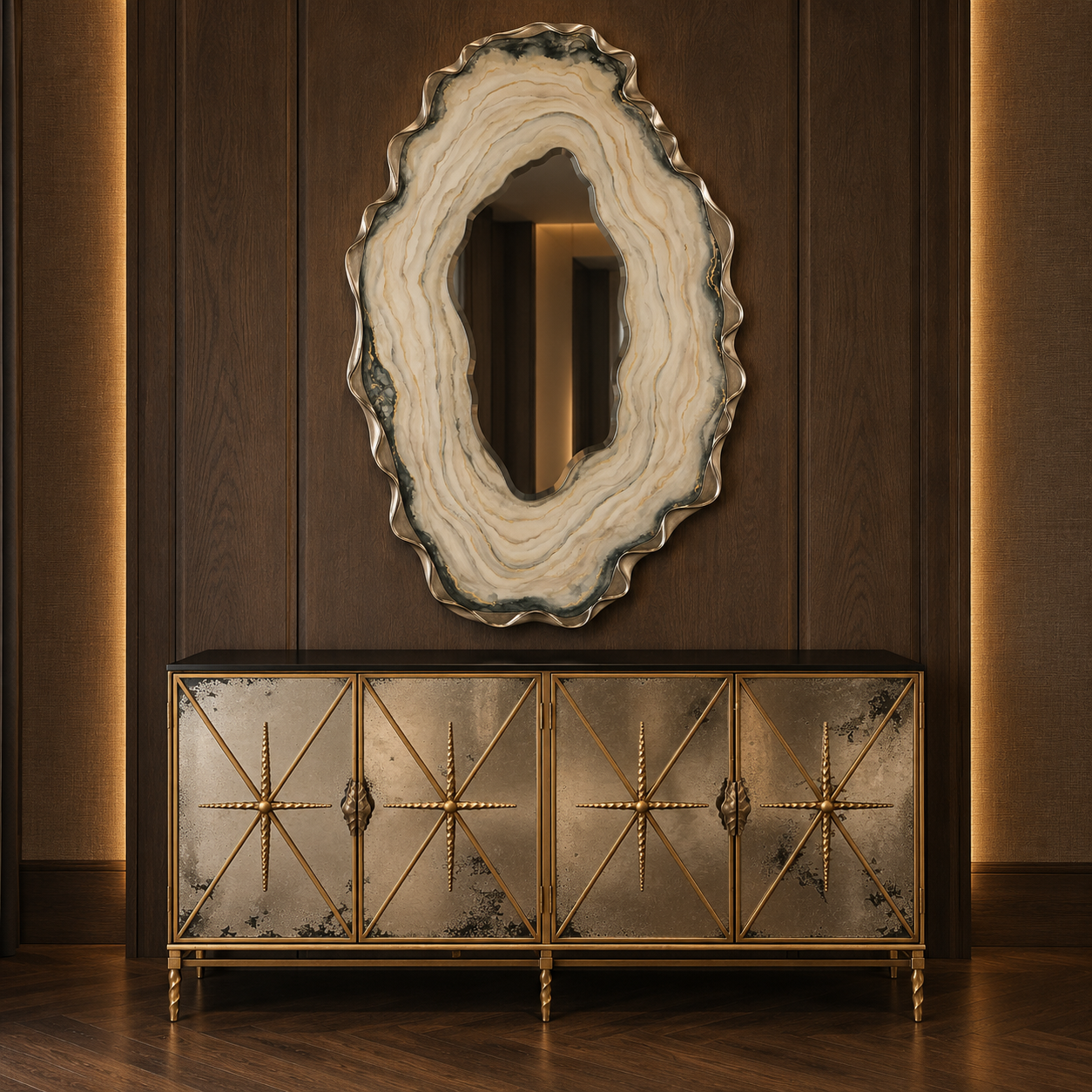 Mirrors
 Wall art
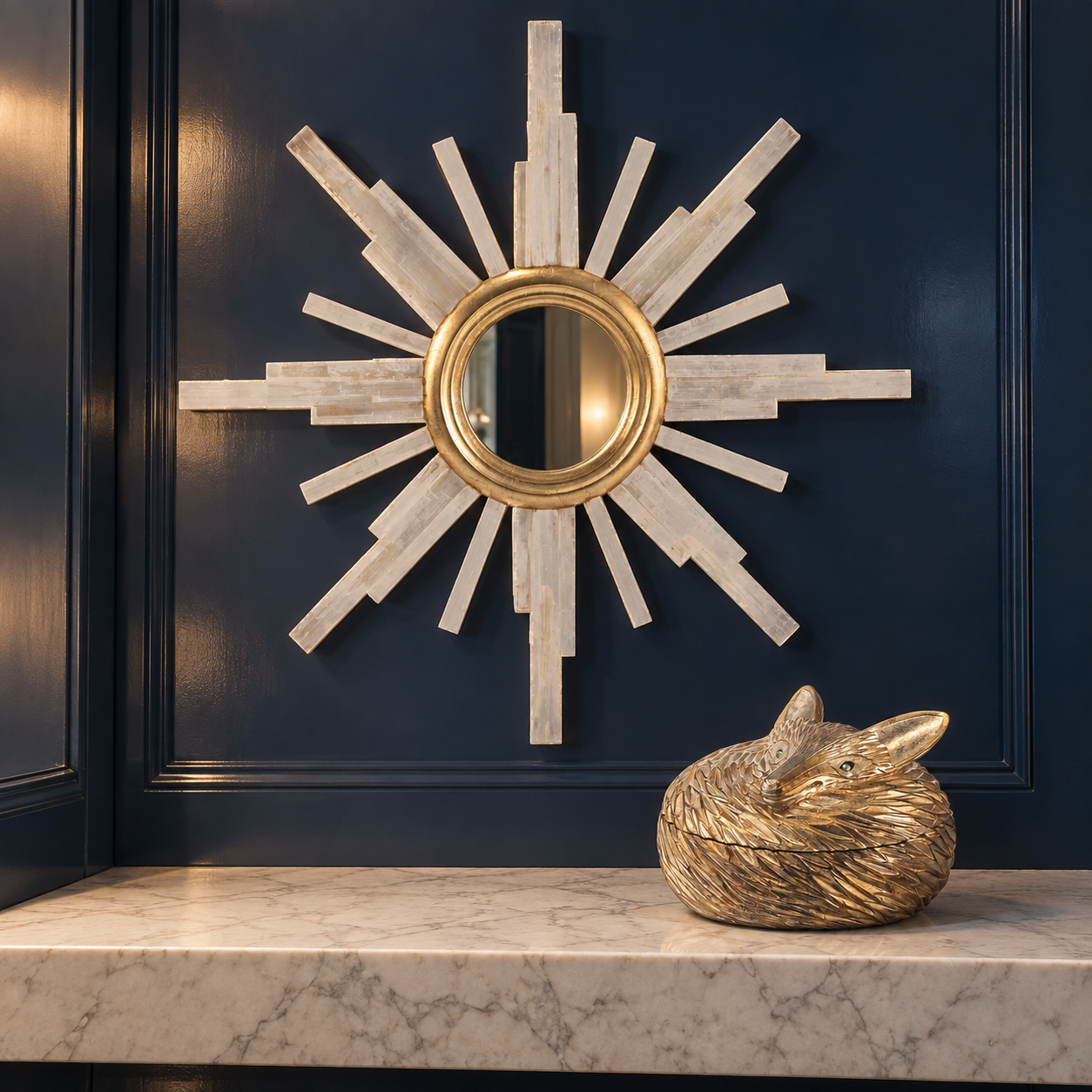 Decorative objects
 Botanicals
There is a straightforward test for furniture, and it has nothing to do with how a piece photographs. Ask what happens to it in fifteen years. A well-made frame settles and stays put. A poorly made one loosens, and every fault that follows — the seat that dips, the door that stops closing square, the veneer that lifts at the edge — traces back to that first compromise.
The difficulty for a buyer is that the decisions which matter most are the ones you cannot see once a piece is finished. What follows is how we read them.
The frame decides everything after it
In seating, the frame is the piece. Kiln-dried hardwood, properly seasoned, moves very little once it is in a room. Green or partially dried timber continues to give up moisture for years, and as it shrinks the joints it sits in go slack. No upholstery corrects that.
Joinery tells you what the maker was willing to spend time on. Mortise and tenon, dovetails, corner blocks that are glued and screwed rather than stapled — these are slow to cut and they are the reason a chair survives being dragged across a floor for a decade. Staples and dowels alone are quick, cheap and adequate for a few years. Both look identical under a cushion.
You are not buying a shape. You are buying the number of hours somebody was allowed to spend on the parts you will never look at.
The same logic runs through case goods. A drawer running on a wooden runner, cut to fit, will still run in thirty years. Solid backs, dust panels between drawers, and a carcass that is joined rather than pinned are all signs that the piece was built to be repaired rather than replaced.
Surfaces age, and should be allowed to
A finish has two jobs: to protect the material beneath it and to look better with use rather than worse. Hand-applied finishes — oiled timber, waxed and patinated metal, layered lacquer — do the second job well. They mark, and the marks accumulate into something. A hard synthetic film does the first job well and the second badly: it resists everything until it fails, and then it fails visibly and cannot be touched in.
This matters for how a piece is bought as much as how it is made. Hand-finished surfaces vary. Two pieces of the same reference will not match exactly, and the patina on a cast metal base will read differently in Dublin light than it does in a showroom. We treat that as the point rather than a defect, and we say so before an order is placed rather than after it arrives.
What to ask before you commit
- Is the frame hardwood, and is it kiln-dried?
- How are the corners joined — cut, or fastened?
- Is the finish applied by hand, and will it vary between pieces?
- If a component fails in ten years, can it be repaired, and by whom?
- What is the actual lead time, and what is it contingent on?
Any supplier worth buying from can answer all five without hesitation. The last one is the most revealing: a maker who knows their own production will give you a real date and the reason for it. A vague answer here usually means the piece is being sourced rather than made.
Craft is a cost decision, not a mystique
It is tempting to talk about craftsmanship as something ineffable. It is not. It is a series of decisions about where to spend labour, made by someone who has to balance a cost sheet. A hand-cut joint costs more than a stapled one because it takes longer, and it lasts longer for the same reason. Everything else is presentation.
What this means in practice is that quality is legible if you know where to look, and that a well-made piece can usually justify its price in specifics rather than adjectives. That is the standard we hold our own listings to: if we cannot tell you what a piece is made of, how it was joined and what it will do over time, we would rather not list it yet.
This article is editorial and general. Material specifications, dimensions and lead times for individual pieces are confirmed against supplier records on enquiry, and are not published until they are.